
Brown hair color transcends basic monotone. Techniques like balayage and shadow roots create dimension that mimics expensive salon work. From rich chocolate to warm caramel, these shades complement various skin tones. The key lies in strategic highlighting and proper maintenance. Discover which specific brown undertones match your complexion best, and learn the professional methods stylists use to achieve that coveted multidimensional finish.
Table of Contents
- Chocolate Brown: Rich and Timeless
- Caramel Brown: Warm Glow Without Damage
- Honey Brown: Sun-Kissed Dimension
- Golden Brown: Radiant Shimmer for Warm Skin
- Cinnamon Brown: Spiced Warmth and Movement
- Warm Walnut: Earthy, Balanced Richness
- Ash Brown: Cool-Toned Sophistication
- Mushroom Brown: Trendy Neutral Tone
- Cool Walnut: Ashy, Muted Depth
- Espresso Brown: Deep and Dramatic
- Auburn Brown: Red-Tinted Warmth
- Mahogany Brown: Rich Reddish Undertones
- Chocolate Cherry: Deep Berry Infusion
- Chestnut Brown: Dimensional Luster
- Caramel Balayage: Hand-Painted Warmth
- Bronde Balayage: Blonde and Brown Blend
- Babylights Brown: Subtle, Fine Dimension
- Tortoiseshell Brown: Multi-Tonal Pattern
- Bronze Brown: Metallic Dimension
- Melted Chocolate: Seamless Tonal Transition
- Caramel Ribbons: Face-Framing Highlights
- Shadow Root Brown: Dark Root Contrast
- Sombre Brown: Reverse Balayage Depth
- Rooted Blonde: Brown Base With Blonde Ends
- Brunette With Lowlights: Deepened Dimension
- Lived-In Brown: Natural-Looking Fade
- Dirty Blonde on Brown: Undone, Textured Feel
- Mocha Brown: Coffee-Inspired Richness
- Fudgy Brown: Dense, Glossy Finish
- Glossy Single-Process Brown: Solid, Polished Color
- Frequently Asked Questions
- How Long Does Salon-Quality Brown Hair Color Typically Last Before Fading?
- What’s the Best Way to Maintain Brown Hair Color Between Salon Appointments?
- Which Brown Shade Works Best for Different Skin Tones and Undertones?
- Can I Achieve These Brown Colors at Home or Should I Visit a Salon?
- How Much Does Professional Brown Hair Coloring Cost on Average?
- Conclusion
Chocolate Brown: Rich and Timeless
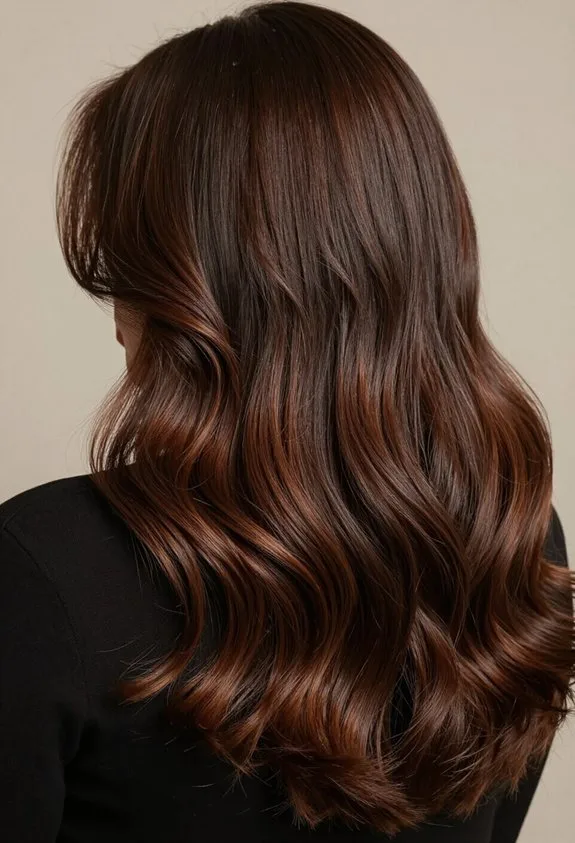
Chocolate brown stands as one of the most versatile and flattering hair colors available today. This rich shade complements nearly every skin tone, making it a go-to choice for professionals seeking salon-quality results at home.
The key to achieving chocolate brown involves selecting the right undertone for individual complexion. Warm undertones suit golden or auburn-tinted chocolates, while cool undertones benefit from ashy or cooler variants. Colorists recommend L’Oréal Paris Casting Crème Gloss or Garnier Nutrisse for consistent, dimensional results.
Layering techniques enhance depth markedly. Lighter caramel highlights near the face create flattering dimension and movement throughout. According to colorist Maria Chen, “Strategic highlights break up solid color, adding texture and preventing flatness.”
Application matters tremendously. Sectioning hair into four quadrants guarantees even saturation and professional-looking coverage that lasts six to eight weeks with proper maintenance.
Also read: 33 BROWN HAIR WITH HIGHLIGHTS IDEAS That Add Instant Dimension!
Caramel Brown: Warm Glow Without Damage
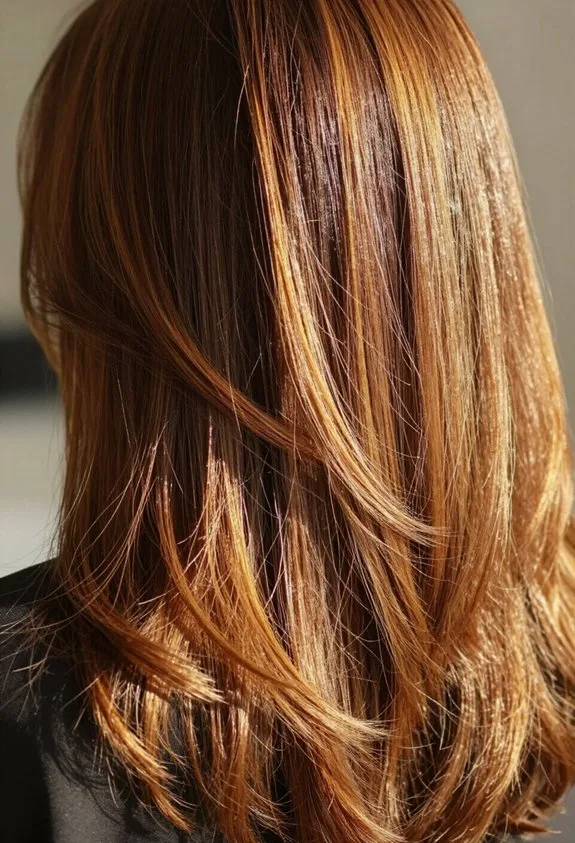
A golden-hued escape from harsh coloring, caramel brown delivers warmth without the commitment of permanent dye. This shade bridges light and dark tones seamlessly. Balayage techniques create multidimensional highlights that catch light naturally. The color works across all skin tones when customized properly.
Demi-permanent formulas like L’Oréal Paris Casting Crème Gloss minimize damage while developing rich tone. Colorists recommend applying caramel to mid-lengths and ends first, then roots last. This prevents over-processing delicate strands.
“Caramel brown requires strategic placement for authentic dimension,” explains master colorist Miranda Chen. Dimensional styling involves weaving honey and amber undertones throughout the base color. The result appears salon-finished without heavy maintenance.
Touch-ups occur every six to eight weeks. Weekly deep conditioning treatments maintain shine and elasticity throughout the color’s lifespan.
Honey Brown: Sun-Kissed Dimension
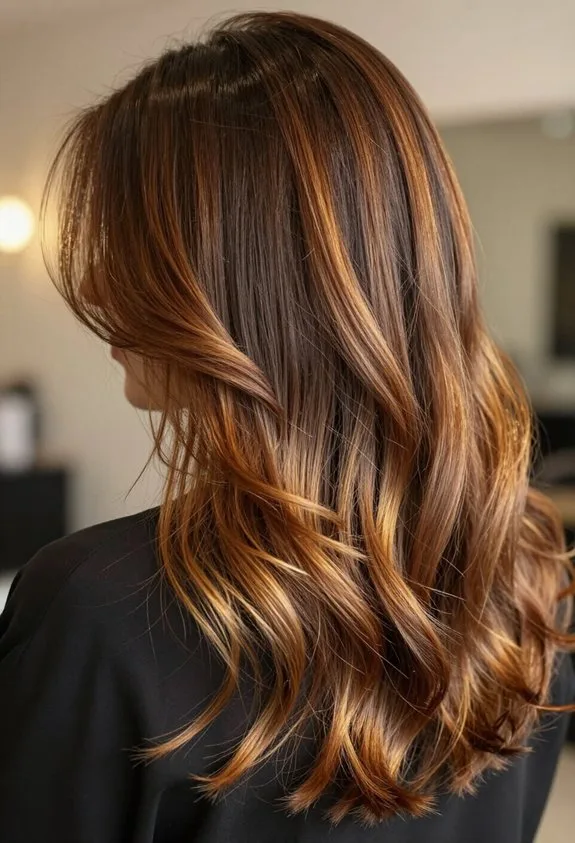
While caramel brown offers warmth through strategic placement, honey brown achieves luminosity through sun-kissed dimension. This technique creates natural-looking highlights that appear earned by sunshine rather than applied in a salon chair.
Honey brown works by blending lighter golden tones throughout mid-lengths and ends. Colorists apply deeper honey shades at the roots, then gradually lighten toward the tips. This creates depth and movement without damaging hair.
The dimensional approach requires precision placement around the face and through natural breakage points. Professional colorists use balayage or babylights techniques for seamless blending. These methods distribute color unevenly, mimicking how sunlight naturally lightens hair.
Maintaining honey brown involves sulfate-free shampoos and weekly toning treatments. Olaplex or similar bond-building products protect strands during the coloring process. Root touch-ups every six to eight weeks preserve dimension and vibrancy.
Golden Brown: Radiant Shimmer for Warm Skin
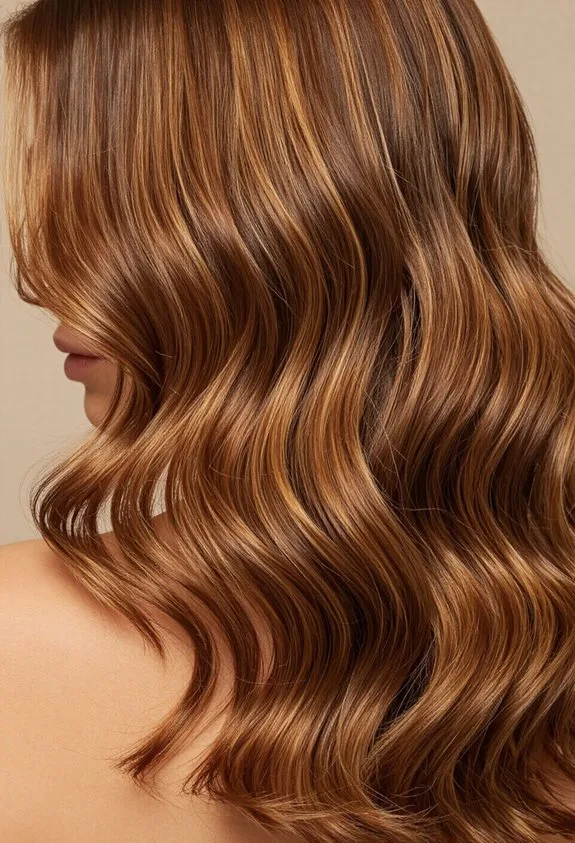
Golden brown elevates honey brown’s sun-kissed approach with concentrated warmth and reflective shine. This shade works exceptionally well for warm skin tones. The color sits between medium and dark brown, featuring golden undertones that catch light beautifully.
Stylists recommend using balayage techniques to place lighter golden pieces around the face. This dimensional approach creates movement and depth. Products like Wella Color Charm or Garnier Olia deliver rich, warm results at home. Apply lighter sections to the crown and face-framing layers for maximum radiance.
Golden brown requires maintenance every six to eight weeks. Use color-safe shampoos and deep conditioning treatments weekly to preserve warmth and shine. Professional colorist Maria Chen states, “Golden brown demands proper aftercare to maintain that reflective quality clients love.”
The result is sophisticated, versatile, and undeniably salon-quality.
Cinnamon Brown: Spiced Warmth and Movement
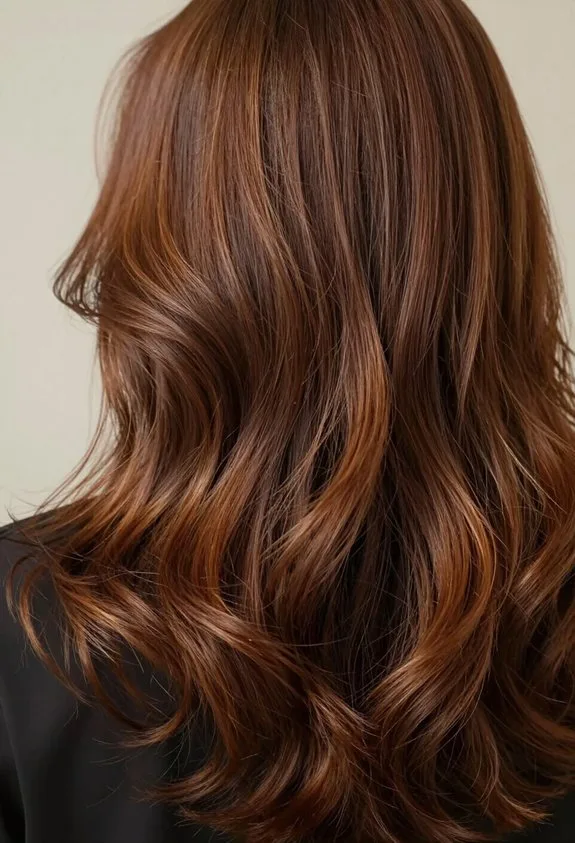
Cinnamon brown brings reddish-brown warmth that feels both rich and approachable, making it a standout choice for those seeking movement without extreme contrast. This shade works beautifully on warm and neutral skin tones alike. The color creates natural-looking dimension through strategic placement of lighter honey and deeper chocolate tones throughout the hair.
Stylists achieve this effect using balayage or babylights techniques. These methods deposit color selectively on mid-lengths and ends. The result mimics sun-kissed, grown-out color that requires minimal maintenance. Products like Schwarzkopf’s Color Ultime or L’Oréal Paris Excellence work well for base application.
“Cinnamon brown’s beauty lies in its versatility,” explains colorist Maria Chen. The shade complements both straight and textured hair. Movement appears enhanced through the dimensional placement of warm undertones throughout the style.
Warm Walnut: Earthy, Balanced Richness
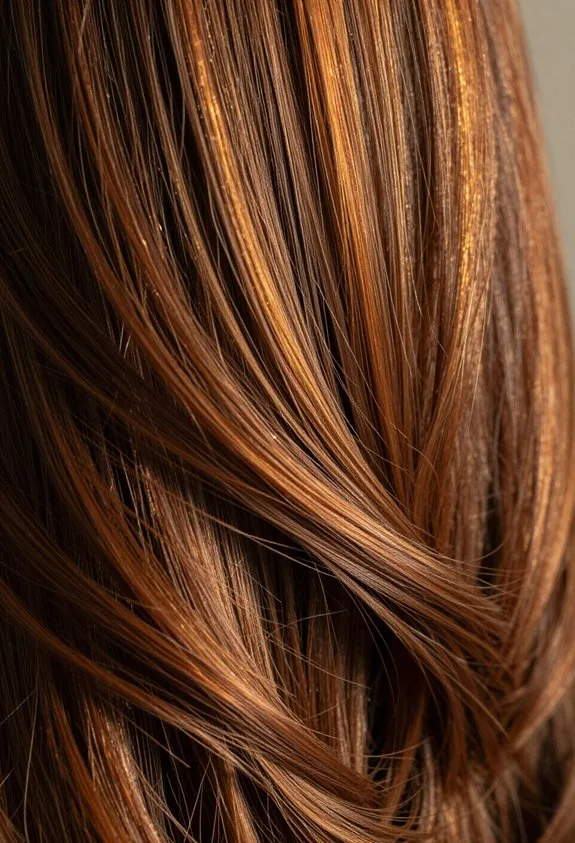
Walnut brown represents the perfect middle ground—neither too light nor too dark, but deeply satisfying in its balanced richness. This shade works beautifully on most skin tones because it contains both warm and neutral undertones simultaneously.
The key to achieving salon-quality walnut brown involves strategic dimensional placement. Colorists apply darker tones at the roots while blending lighter caramel or honey highlights through mid-lengths and ends, creating natural movement and depth.
Professional colorist Maria Chen explains: “Walnut brown photographs exceptionally well because it reflects light without appearing brassy or dull.”
Maintenance requires sulfate-free shampoo and monthly gloss treatments using products like Olaplex Shade & Tone to preserve richness. The shade typically lasts eight to ten weeks before requiring root touch-ups, making it practical for most lifestyles.
Ash Brown: Cool-Toned Sophistication
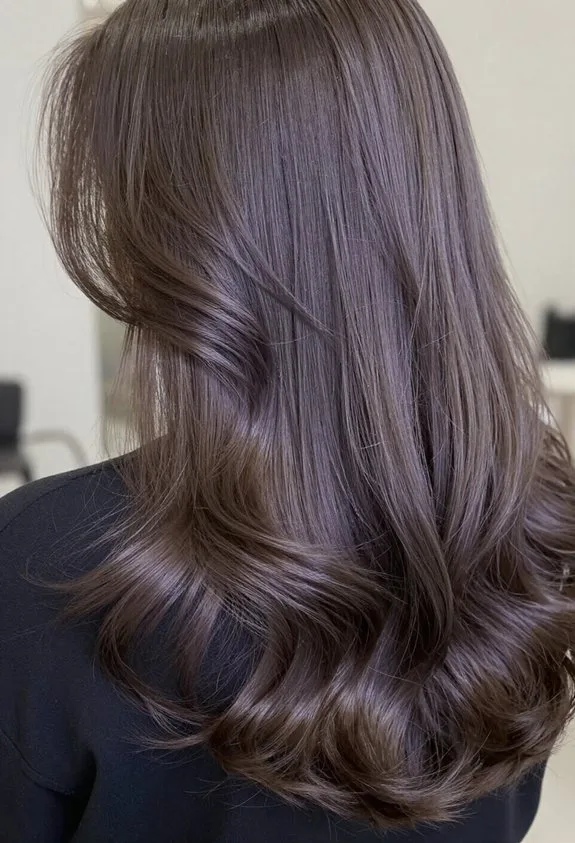
While walnut brown celebrates warmth and earthiness, ash brown moves in the opposite direction—embracing cool undertones that create a more modern, understated elegance. This sophisticated shade works exceptionally well for deeper skin tones and cooler complexions. Ash brown features grey and taupe notes rather than golden highlights. The result is a polished, contemporary look that feels intentional.
Colorists often recommend Wella T18 or T14 toners to achieve this effect on pre-lightened hair. These formulas neutralize unwanted warmth effectively. For dimensional depth, adding subtle silver-blonde babylights creates visual interest without overwhelming the base color.
According to colorist Maria Chen, “Ash brown requires commitment to cool-toned maintenance.” Purple-toning shampoos become essential monthly investments. This shade demands precision but rewards clients with timeless sophistication and minimal damage when applied professionally.
Mushroom Brown: Trendy Neutral Tone
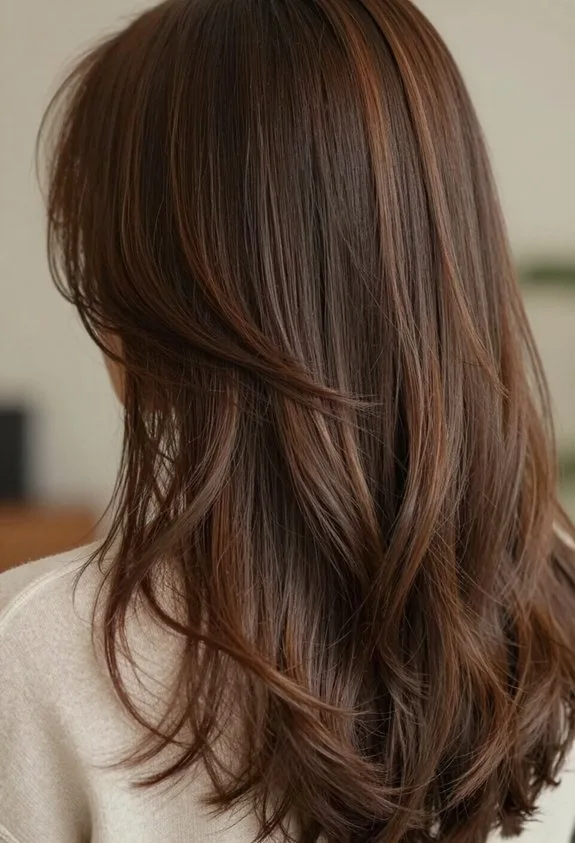
As ash brown’s cooler cousin steps forward, mushroom brown offers a perfectly balanced middle ground between warm and cool tones. This versatile shade works beautifully on various skin tones and hair textures. The color combines earthy mushroom undertones with subtle ashy highlights, creating dimension without harsh contrast. Stylists recommend using Wella T18 toner on pre-lightened hair to achieve this nuanced effect. The resulting tone appears soft yet defined, making it ideal for those seeking something different. Dimensional mushroom brown involves placing slightly lighter ribbons throughout the mid-lengths and ends. “This shade is incredibly forgiving because it blends naturally as it grows out,” explains colorist Michelle Davies. Regular glossing treatments every four to six weeks maintain the color’s trendy, salon-fresh appearance. The overall effect screams modern sophistication with minimal maintenance demands.
Cool Walnut: Ashy, Muted Depth
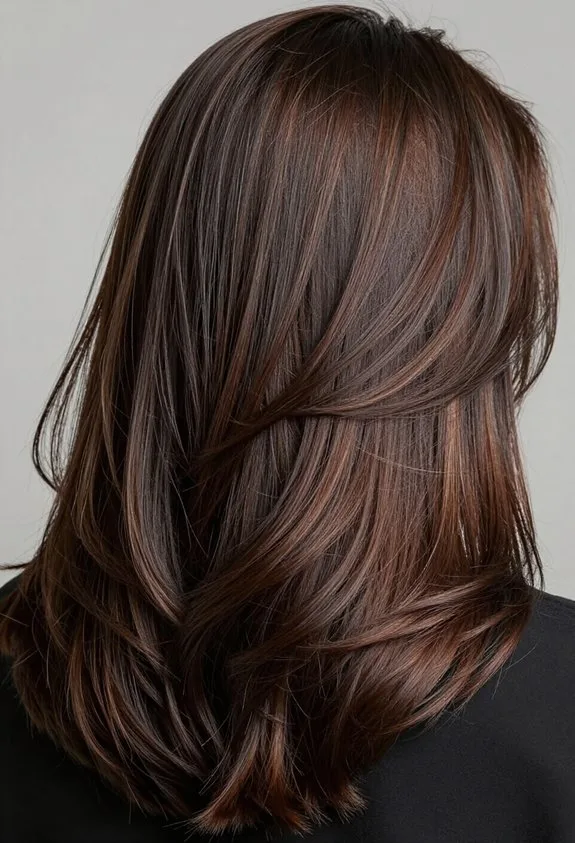
For those seeking deeper dimension with an understated elegance, cool walnut delivers exactly that through ashy, muted tones. This shade combines walnut’s richness with cool undertones that prevent warmth from dominating. The result feels sophisticated and modern.
Cool walnut works beautifully on medium to dark hair bases. Colorists typically apply it as a balayage or shadow root technique for dimensional depth. This method creates natural-looking contrast without harsh demarcation lines.
Achieving this shade requires quality color depositing products. Wella Professionals T18 or similar ash-based toners neutralize unwanted warmth effectively. Application timing matters profoundly here—leaving toner too long risks over-processing and dullness.
“Cool walnut’s ashy base makes it incredibly versatile for various skin tones,” explains master colorist Jennifer Hayes. The muted quality flatters both cool and warm complexions, proving its universal appeal.
Espresso Brown: Deep and Dramatic
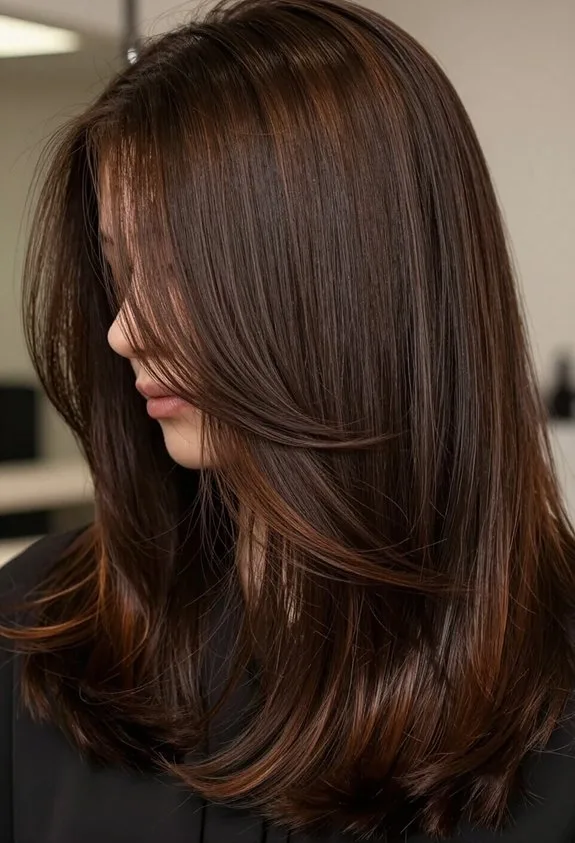
Espresso brown represents the ultimate in bold, statement-making color for those ready to embrace depth. This rich shade creates striking visual impact with its dark, lustrous finish that photographs beautifully in any lighting condition.
Achieving espresso requires professional-grade formulations like Wella T18 or Schwarzkopf Igora Royal in the deepest brown tones. The key involves applying color evenly from roots to ends, then adding subtle dimensional highlights through babylights to prevent flatness.
“Espresso works best on deeper skin tones where it creates maximum contrast,” notes colorist Maria Chen. The shade demands commitment; root maintenance appears necessary every four to six weeks.
Styling espresso brown with glossy finishes amplifies drama. Texured waves or sleek blowouts showcase the color’s depth effectively. This bold choice transforms entire aesthetics with minimal additional styling effort required.
Auburn Brown: Red-Tinted Warmth
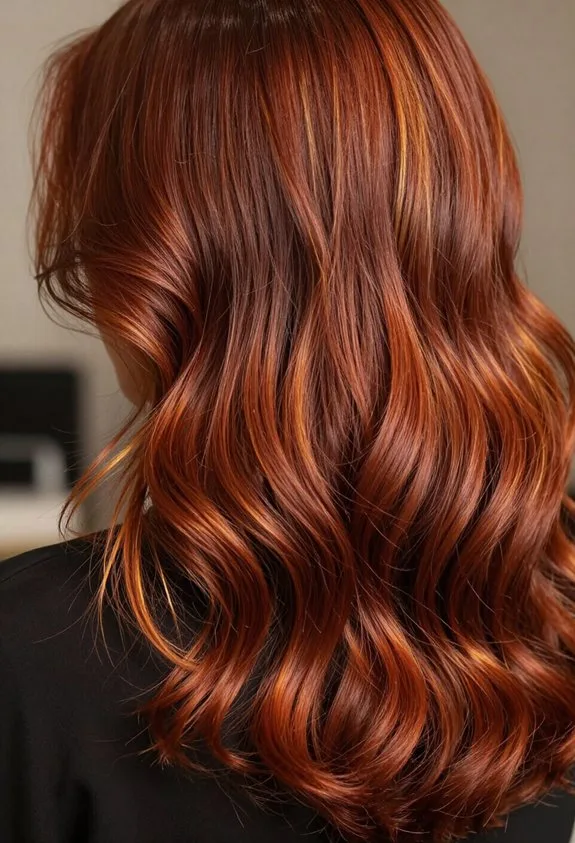
Auburn brown delivers warmth and dimension for those seeking a softer alternative to dramatic espresso tones. This shade combines rich brown with subtle red undertones, creating flattering depth on most skin tones. The color works especially well for warm and olive complexions.
Stylists recommend applying auburn brown as balayage highlights for natural-looking dimension. Base the color in medium to dark brown, then hand-paint lighter auburn pieces around the face and crown. This technique creates movement without full commitment.
Products like L’Oréal Paris Colorista Semi-Permanent Dye deliver salon-quality results at home. Apply to damp hair and leave for 30 minutes for ideal color payoff.
“Auburn tones photograph beautifully and develop richness over time,” notes celebrity colorist Marcus Webb. Maintenance requires color-safe shampoo and monthly touch-ups to preserve vibrancy and prevent fading.
Mahogany Brown: Rich Reddish Undertones
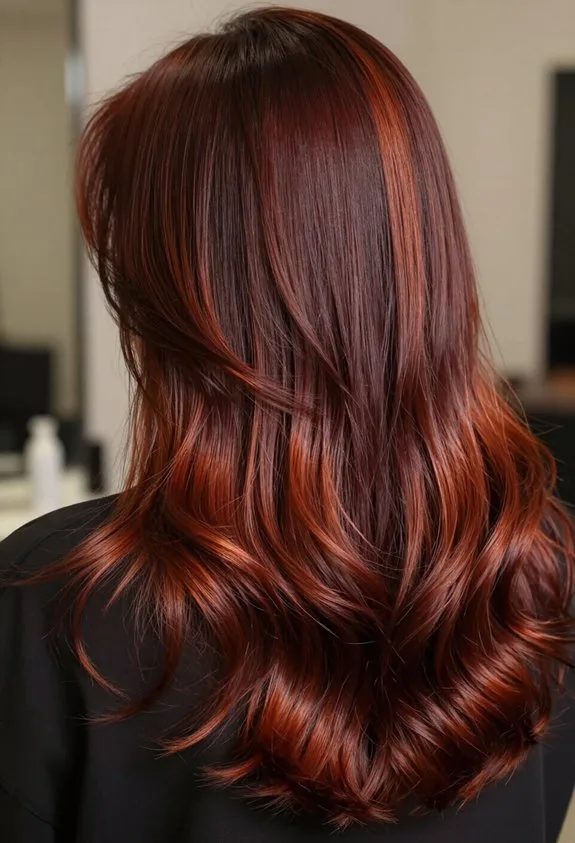
Mahogany brown transforms hair into a jewel-toned masterpiece, blending deep chocolate bases with pronounced reddish undertones that catch light dramatically. This shade works exceptionally well for warm skin tones, enhancing natural radiance without appearing harsh. The richness comes from carefully layered color depositing—typically requiring quality brands like Wella T18 or Schwarzkopf to achieve dimension.
Stylists recommend applying mahogany tones to mid-lengths and ends first, then roots last. This prevents over-processing and maintains color vibrancy longer. “Mahogany requires strategic placement,” explains colorist Maria Chen. “Balayage techniques create movement that showcases the reddish undertones beautifully.”
Dimensional styling elevates mahogany further. Adding honey-blonde ribbons through the crown creates contrast and depth. Root shadow work in deeper browns extends the color’s longevity between appointments. Brass-neutralizing shampoos preserve the cool red notes effectively.
Chocolate Cherry: Deep Berry Infusion
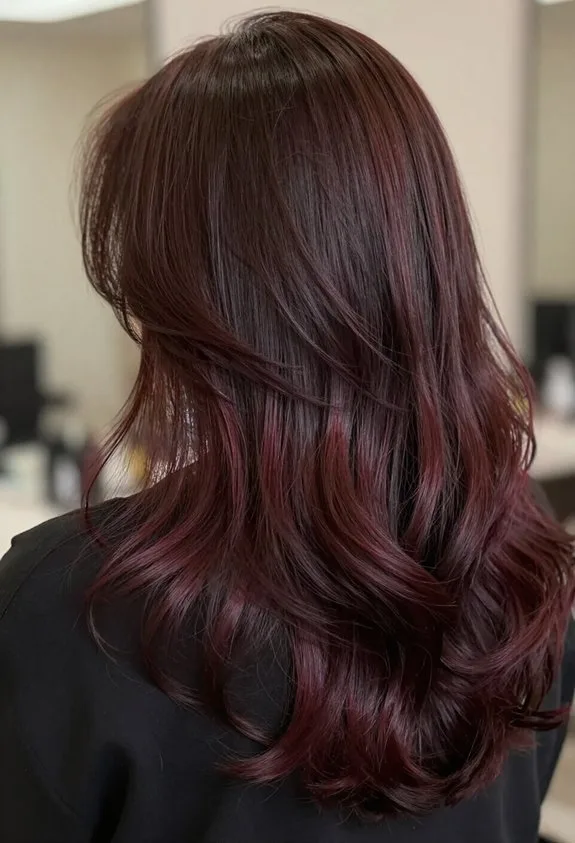
Chocolate cherry combines deep brown bases with cool berry undertones that create an enchanting, multidimensional look. This shade works beautifully on medium to dark hair types. The berry infusion adds depth without overwhelming warmth.
Stylists recommend applying darker chocolate tones to the base, then layering cherry highlights through mid-lengths and ends. This technique creates movement and visual interest. Using Wella T18 toner on pre-lightened sections achieves the cool berry effect professionals prefer.
The dimensional approach prevents a flat appearance. Strategic placement around the face brightens the complexion. According to colorist Maria Chen, “Chocolate cherry requires maintenance every six to eight weeks to keep undertones vibrant.”
At-home maintenance involves sulfate-free shampoos and purple-toning conditioners. These products preserve the cool berry notes between salon visits, keeping the shade salon-fresh and intentional.
Chestnut Brown: Dimensional Luster
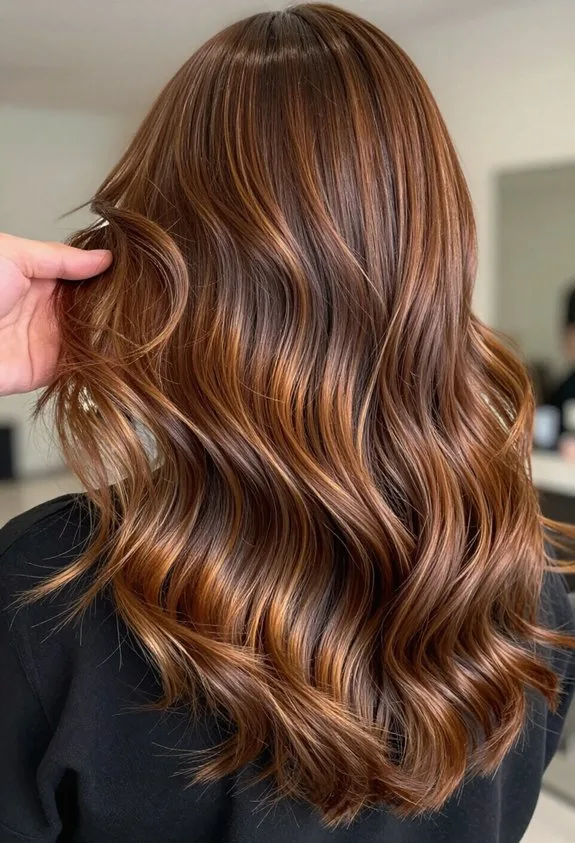
While chocolate cherry brings cool berry notes, chestnut brown delivers warm, luminous depth through strategic dimensional placement. This shade combines medium-to-dark brown base tones with lighter caramel and honey highlights throughout.
The dimensional technique creates movement and prevents a flat appearance. Stylists apply darker tones at the roots, then blend warmer highlights through mid-lengths and ends. This gradient adds texture and dimension that catches light beautifully.
Chestnut brown works exceptionally well on warm and neutral skin tones. The warmth complements golden undertones while remaining flattering across diverse complexions. Application typically requires 2-3 sessions for ideal results.
“Dimensional placement transforms brown hair into multidimensional art,” explains colorist Marcus Williams. Products like Wella Professionals T18 toner and Olaplex No. 8 Bond Intense Moisture Mask maintain vibrancy. Regular glossing appointments every six weeks preserve the luminous finish and dimensional integrity.
Caramel Balayage: Hand-Painted Warmth
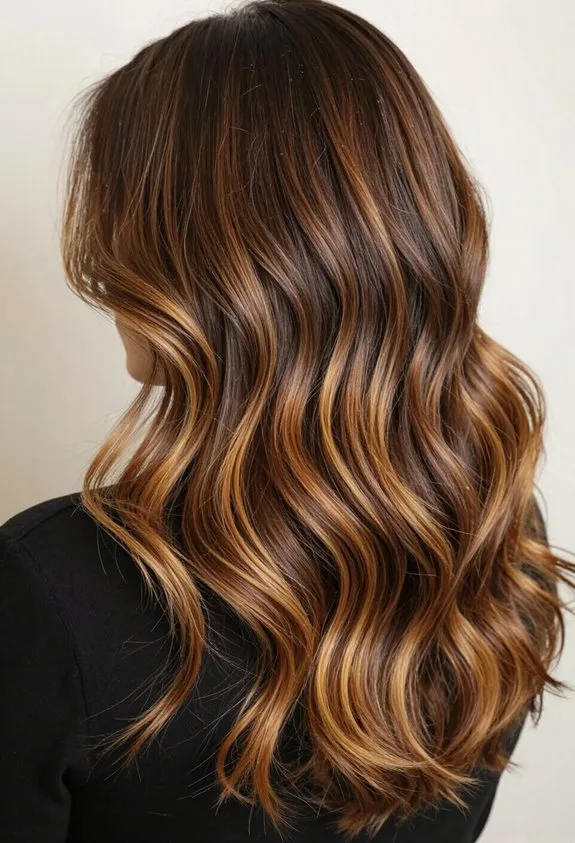
Caramel balayage transforms brown hair through hand-painted highlights that mimic natural sun-kissed dimension. This technique places lighter strokes strategically along face-framing sections and throughout mid-lengths. The result creates depth without harsh regrowth lines. Colorists apply warm caramel tones to mid-shaft areas, allowing them to blend seamlessly into the base. “Balayage celebrates movement and texture,” explains master colorist James Chan. The hand-painted method requires precision and artistry. Darker roots ground the look while lighter ends draw attention upward. Application typically uses Wella T18 or similar ash tones for dimension. This style suits most skin undertones exceptionally well. Maintenance involves purple-toning shampoo every three washes. The balayage technique delivers salon-quality results that last 8-12 weeks without requiring frequent touch-ups at the root.
Bronde Balayage: Blonde and Brown Blend
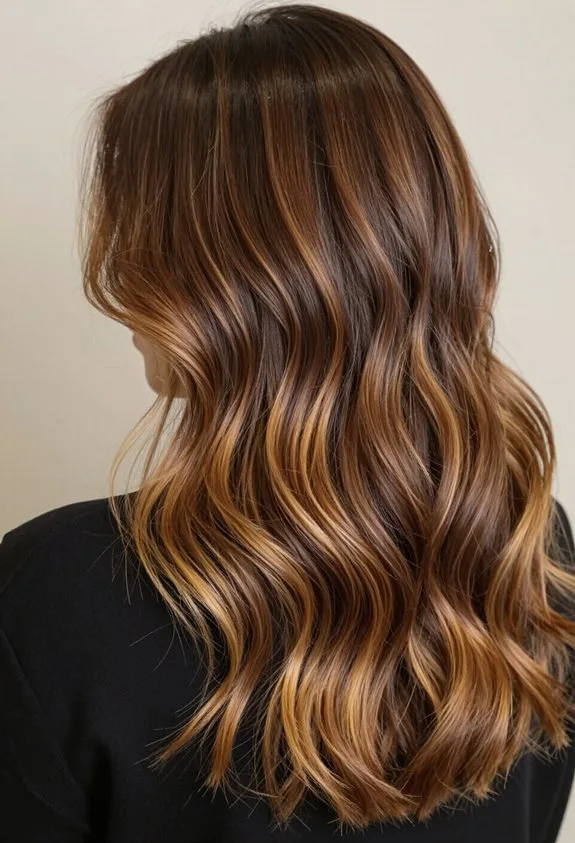
Many clients seek the perfect middle ground between pure blonde and rich brown, and bronde balayage delivers exactly that. This technique blends honey-toned highlights with deeper brunette bases, creating seamless dimension throughout. The hand-painted method allows stylists to customize placement for maximum flattery.
Strategic placement around the face brightens complexion naturally. Lighter pieces frame cheekbones while deeper tones add depth at the roots. This dimensional approach requires quality products like Olaplex Bond Treatment to maintain hair health between salon visits.
The bronde blend works across various hair textures and skin tones. Warmer undertones complement olive or golden complexions beautifully. Cooler variations suit fair or cool-toned skin perfectly.
Maintenance involves toning shampoos every two weeks. Regular deep conditioning prevents brassy fading. This investment guarantees the salon-quality finish lasts considerably longer.
Babylights Brown: Subtle, Fine Dimension
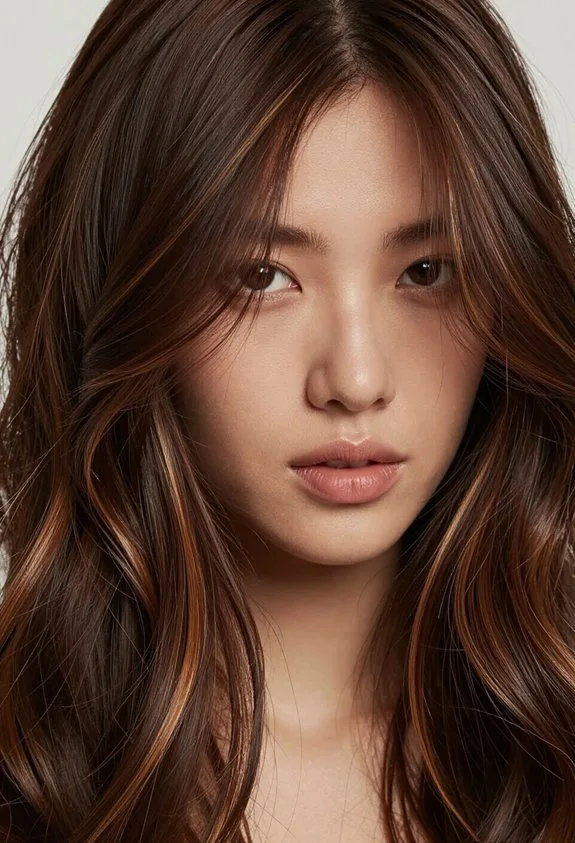
Babylights take the dimensional approach further than bronde balayage by creating even finer, more delicate highlights throughout the hair. These micro-highlights mimic natural sun-kissed tones with precision. The technique involves painting thin, hair-thin strands of lighter color at varying depths throughout the hair shaft.
This method works exceptionally well on brown base colors. Colorists typically blend warm honey, caramel, and golden tones seamlessly. The result appears incredibly natural, like the hair grew that way.
According to master colorist James Vincent, “Babylights require patience and expert placement but deliver unmatched dimensional depth.” Products like Wella Illumina or Schwarzkopf Blondor maintain dimensional integrity while minimizing damage. Babylights demand touch-ups every eight to twelve weeks for peak luminosity and blend maintenance.
Tortoiseshell Brown: Multi-Tonal Pattern
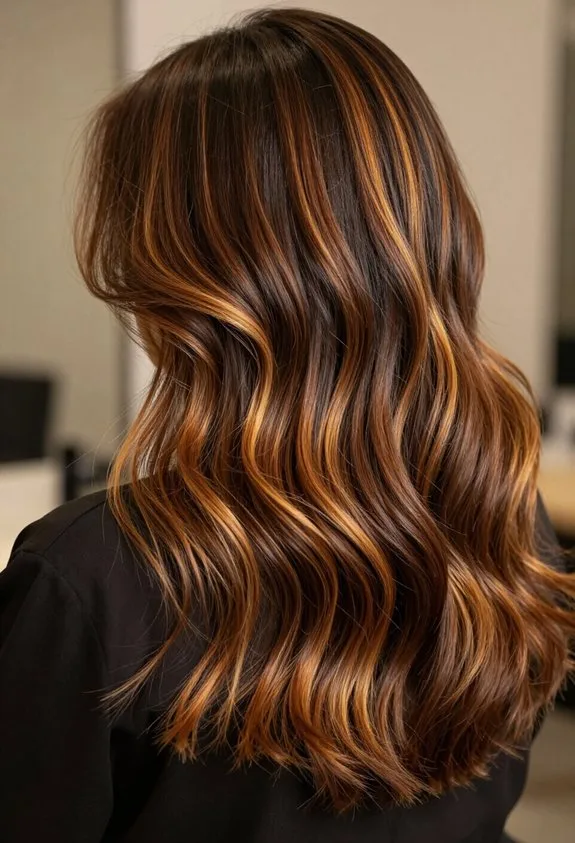
While babylights focus on fine, delicate strands, tortoiseshell brown takes a bolder approach with distinct, multi-colored patches throughout the hair. This technique combines warm honey tones, cool ash browns, and caramel accents for dimensional depth. The result mimics natural tortoiseshell patterns found in nature.
Stylists typically apply color to random sections rather than following a systematic grid pattern. This creates an organic, lived-in appearance. As colorist Maria Chen explains, “Tortoiseshell works beautifully on medium to thick hair types where colors can truly pop.”
Maintenance requires sulfate-free shampoo and monthly touch-ups near the roots. Products like Olaplex No. 4 Shampoo help preserve vibrancy between salon visits. The multi-tonal effect looks especially striking in sunlight, making this approach ideal for those seeking noticeable yet sophisticated dimension without commitment to full highlights.
Bronze Brown: Metallic Dimension
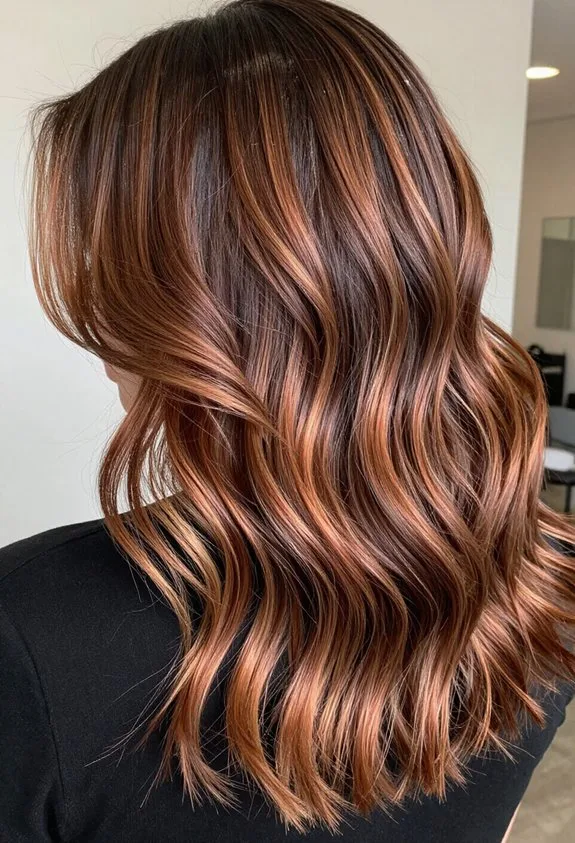
Copper, rose gold, and bronze undertones transform ordinary brown hair into something that catches light like polished metal. This technique uses strategic placement of warm-toned highlights to create dimension that shifts throughout the day. Colorists typically apply lighter bronze pieces around the face and crown, blending them seamlessly into a deeper base.
The result mimics expensive jewelry—subtle yet undeniably eye-catching. “Bronze dimensional work requires precision to avoid a brassy appearance,” explains master colorist Marcus Chen. Products like Wella T18 toner or Olaplex No. 8 Bond Intensive Moisture Mask help maintain the metallic sheen.
Styling matters too. Blow-drying with a smoothing brush enhances the reflective quality. Regular deep-conditioning treatments every two weeks protect color integrity while maximizing that coveted salon-finished glow.
Melted Chocolate: Seamless Tonal Transition
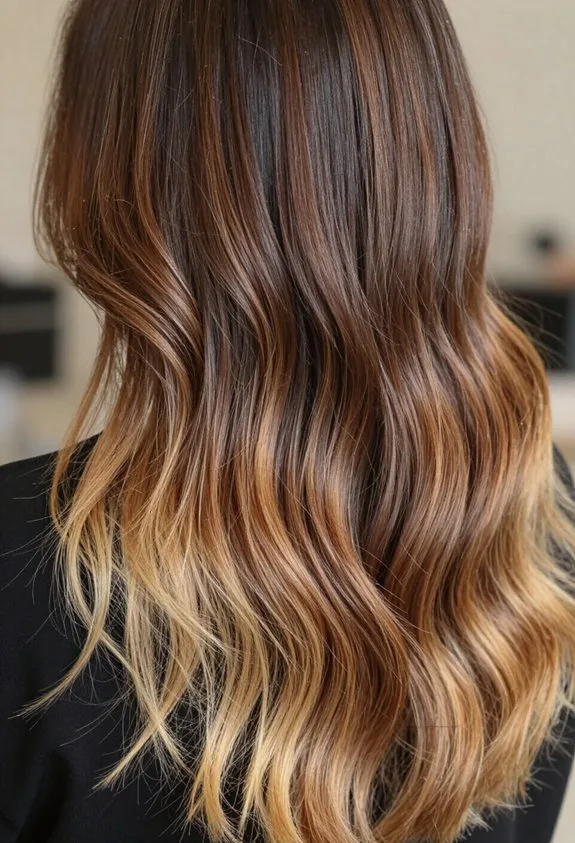
If bronze dimensions feel too bold, melted chocolate offers a softer approach to brown hair elevation. This technique creates seamless tonal shifts without harsh contrast lines. The base remains rich and deep while lighter ribbons blend naturally throughout mid-lengths and ends.
Colorists apply this method by strategically placing warm brunette tones over cooler chocolate foundations. The result mimics sunlight-kissed depth. Products like Wella T18 toner on pre-lightened sections deliver the desired luminosity without damage.
“Melted chocolate works beautifully on all skin tones because it’s fundamentally forgiving,” explains celebrity colorist James Chan. The low-maintenance nature appeals to clients seeking salon-quality results between appointments. Dimensional placement focuses on face-framing pieces and scattered internal ribbons for maximum dimension with minimal upkeep requirements.
Caramel Ribbons: Face-Framing Highlights
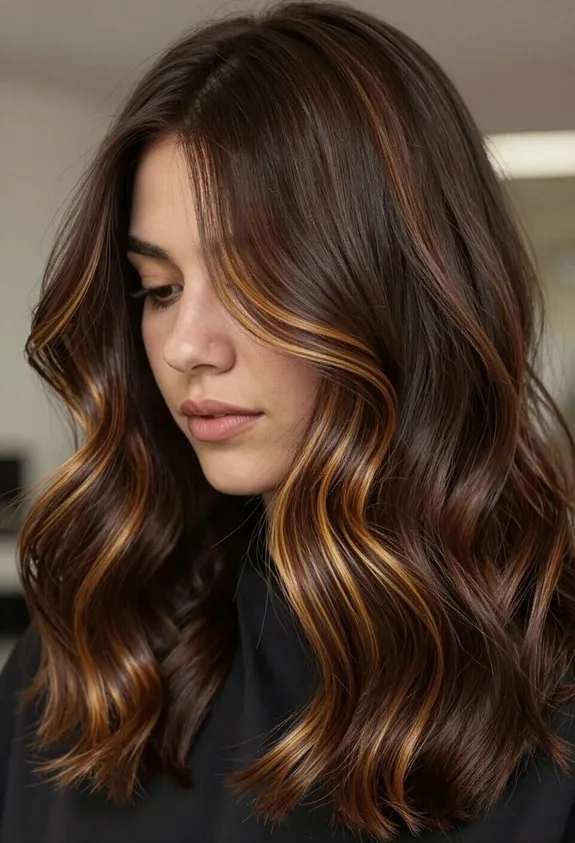
Strategic placement of caramel tones creates an instant face-lifting effect. Ribbon highlights frame the face beautifully. These dimensional pieces work best on medium to dark brown bases.
Stylists typically place caramel ribbons around the face’s perimeter, starting near the temples and cheekbones. This technique brightens the complexion naturally. The ribbons should measure about half to three-quarter inches wide for ideal dimension.
Application requires sectioning hair into thin, deliberate pieces. Use balayage or hand-painting methods for seamless blending. Products like Wella T18 toner on pre-lightened sections deliver rich caramel tones consistently.
According to colorist Maria Santos, “Face-framing highlights require precision placement—they’re not arbitrary.” The contrast between base and ribbons should feel intentional yet effortless. Maintenance involves toning every four to six weeks to prevent brassy undertones.
Shadow Root Brown: Dark Root Contrast
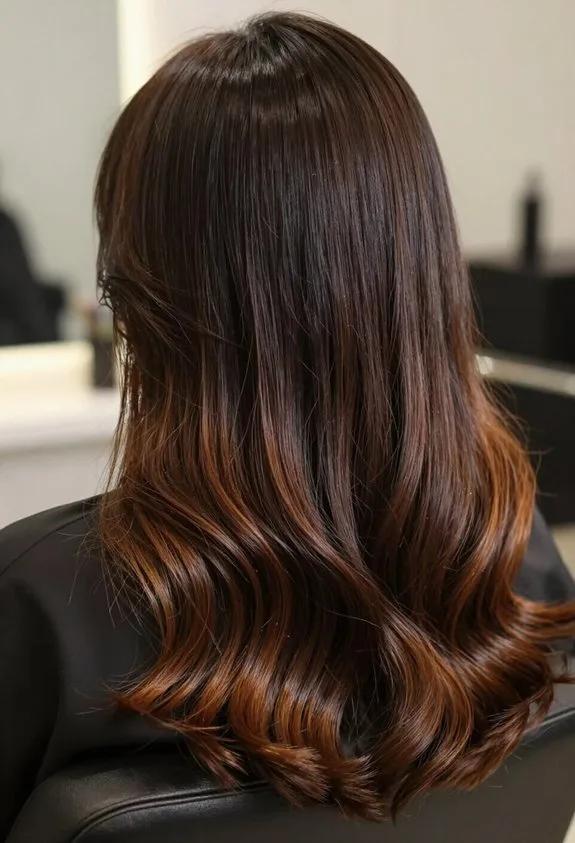
As hair grows out naturally, shadow roots offer a practical solution that works beautifully with brown color. This technique creates intentional dark contrast at the roots while maintaining lighter mid-lengths and ends. The depth adds dimension without frequent salon visits.
Stylists typically blend two to three brown shades, keeping roots two to three shades darker than the rest. This creates a gradient effect that disguises regrowth seamlessly. Root shadow formulas using demi-permanent color last six to eight weeks, protecting hair from constant touching up.
The look works across all brown tones, from cool ash browns to warm caramel blends. Celebrity colorist Jennifer Yepez notes, “Shadow roots extend color longevity while enhancing natural texture.” Apply darker color to roots only, leaving one inch of mid-shaft untouched. The shift between shades should be feathered, never harsh, for professional results.
Sombre Brown: Reverse Balayage Depth
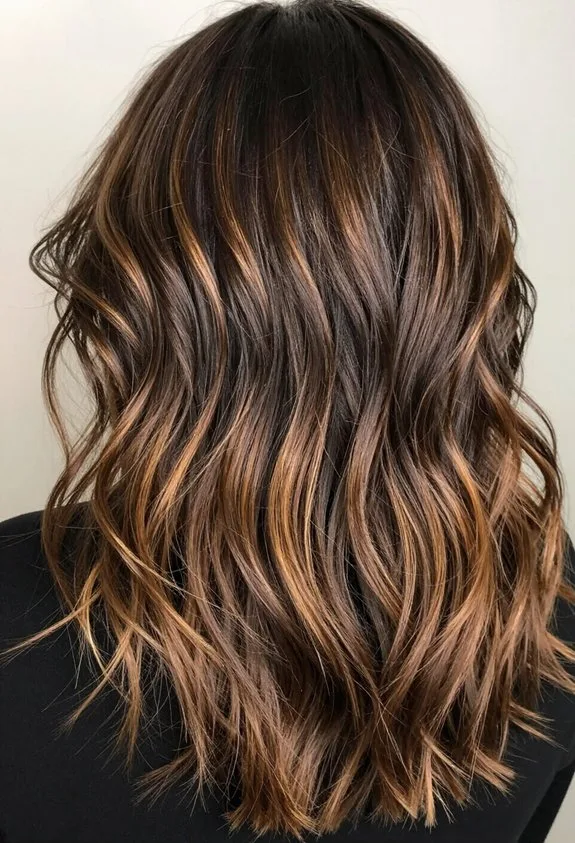
Where shadow roots darken the base, sombre brown takes the opposite approach by concentrating lighter tones at the roots while deepening the ends. This reverse balayage technique creates dimensional depth that mimics natural sun-kissed fading.
The method involves hand-painting lighter shades—think caramel or honey tones—through the root area and mid-lengths. Darker chocolate or espresso hues are then applied to the ends, establishing contrast. Colorists use thin, precise sectioning to guarantee seamless blending between tonal zones.
This style suits brunettes seeking low-maintenance color. The lighter roots blend naturally with regrowth, extending the time between salon visits. Professional colorists recommend using sulfate-free shampoo and purple-toning conditioner to maintain vibrancy. Quality products like Olaplex or K18 protect treated hair during the color process, preserving dimension and preventing unwanted brassiness throughout the style’s lifespan.
Rooted Blonde: Brown Base With Blonde Ends
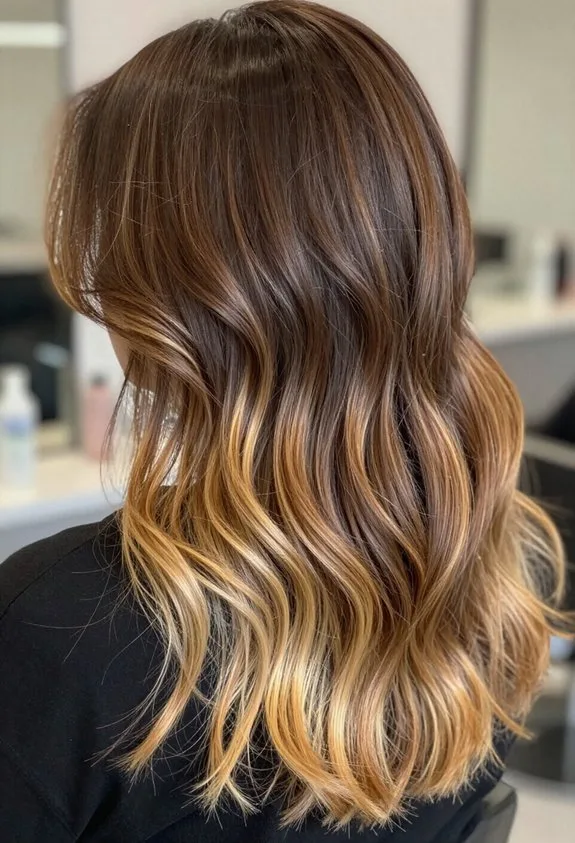
Many brunettes experiment with blonde without committing to full lightening by choosing rooted blonde—a style that anchors darker brown tones at the roots while shifting to blonde ends. This technique creates a natural, low-maintenance appearance that grows out gracefully over time. The darker roots provide depth and dimension while blonde lengths offer brightness and visual interest.
Stylists typically use balayage or babylights to blend the change seamlessly. A quality toner like Wella T18 prevents brassy undertones in blonde sections. Deep conditioning treatments maintain both color vibrancy and hair health throughout the rooted-to-blonde gradient.
“This style works beautifully for clients wanting dimension without constant root touch-ups,” explains colorist Maria Chen. The combination requires strategic placement—concentrating lighter tones from mid-shaft downward guarantees professional results that photograph exceptionally well.
Brunette With Lowlights: Deepened Dimension
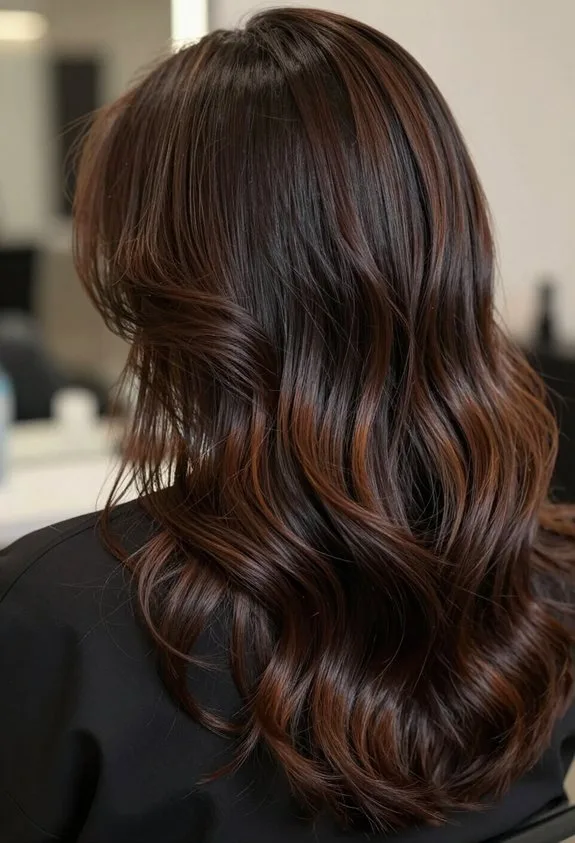
Strategic lowlights transform a single-toned brunette into a multi-dimensional masterpiece by weaving darker shades throughout the base color. This technique creates depth and movement that elevates everyday brown hair into salon-quality results.
Lowlights work by adding darker tones—typically two to three shades deeper than the base—in strategic sections. The placement matters considerably. Stylists typically concentrate darker shades around the face and throughout the mid-lengths for maximum impact and dimension.
Chocolate brown lowlights paired with a warm caramel base deliver rich contrast. Espresso tones add sophisticated drama to lighter brunettes. As colorist Maria Chen explains, “Lowlights anchor the overall look while brightening surrounding sections.”
For maintaining this dimensional style, sulfate-free shampoos preserve color longevity. Purple-toning conditioners neutralize any brassiness. Regular touch-ups every eight weeks keep the dimensional effect crisp and intentional.
Lived-In Brown: Natural-Looking Fade
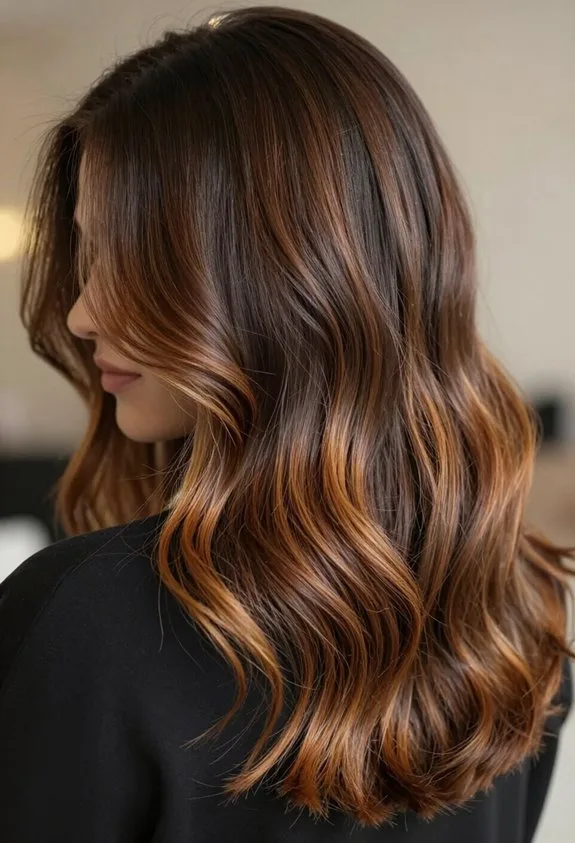
While lowlights create bold, intentional dimension, lived-in brown takes a softer approach by mimicking how natural hair fades in sunlight. This technique blends multiple brown shades seamlessly throughout the hair. Root shadow at the base anchors the look. Mid-lengths feature warm caramel or honey tones. Ends lighten to subtle blonde or champagne highlights.
The result appears effortlessly undone yet expertly crafted. Professional colorists apply this using balayage or babylights techniques for soft placement. “Lived-in brown works beautifully because it requires minimal maintenance between appointments,” notes celebrity colorist James Chan.
Maintaining this style involves using sulfate-free shampoo to preserve dimension. Deep conditioning treatments every two weeks enhance vibrancy. Quality products like Olaplex or Kevin.Murphy help protect color longevity. The fade effect naturally grows out without obvious regrowth lines, making this low-commitment yet high-impact.
Dirty Blonde on Brown: Undone, Textured Feel
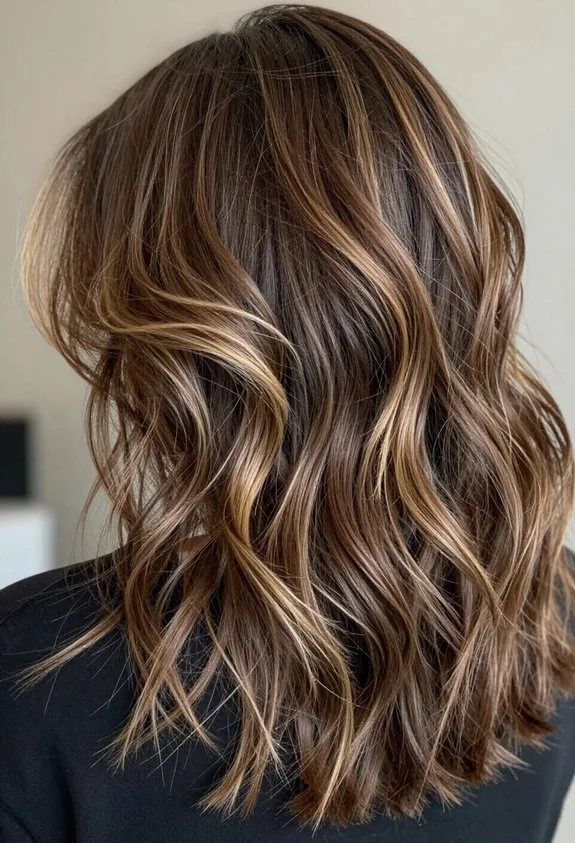
Dirty blonde highlights over a brown base create an effortlessly cool aesthetic that feels intentionally casual. This technique combines warm, honey-toned highlights with darker rooted sections for dimension without looking overdone. The result reads modern and low-maintenance.
Stylists typically use balayage or shadow root methods to achieve this look. Wella T18 or Schwarzkopf Igora Royal ash blonde tones work well for creating that undone quality. The highlights should blend naturally into the base, avoiding harsh lines.
“We’re moving away from perfect placement,” says colorist Marcus Chen. “The beauty is in the lived-in, textured appearance that suggests movement and depth.”
Texture matters considerably here. Beachy waves or tousled layers enhance the undone vibe. Regular deep conditioning treatments maintain softness. This combination of strategic color placement and intentional styling creates salon-quality results that appear effortlessly achieved at home.
Mocha Brown: Coffee-Inspired Richness
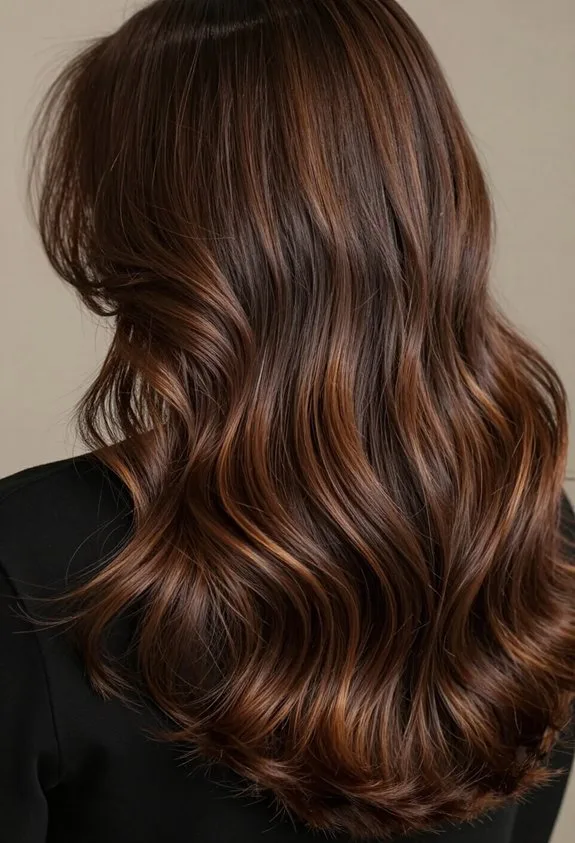
Mocha brown offers a warmer, more polished alternative to the casual undone aesthetic. This rich, coffee-inspired shade combines depth with luminosity. The color sits between light and dark brown, creating sophisticated dimension.
Stylists recommend applying mocha to mid-lengths and ends for a blended, grown-out appearance. Root shadowing with a darker shade enhances the dimensional effect naturally. Glossing treatments like Olaplex or similar bond-protective formulas maintain shine and prevent brassiness.
The formula works best on medium to deeper skin tones. Lighter complexions benefit from cooler mocha undertones. A semi-permanent dye like Clairol Natural Instincts guarantees manageable maintenance every four to six weeks.
Pairing mocha brown with caramel highlights creates subtle movement. This combination delivers salon-quality results while remaining wearable for everyday life. The versatile shade shifts seamlessly from professional settings to casual outings.
Fudgy Brown: Dense, Glossy Finish
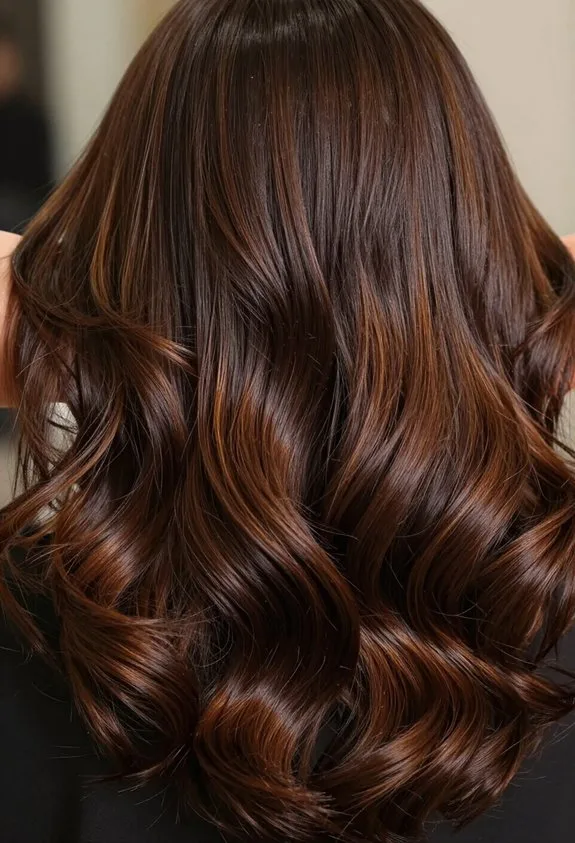
Rich as chocolate ganache, fudgy brown delivers a luxurious depth that catches light with remarkable intensity. This shade creates a dense, polished appearance that mimics professional salon work. The key lies in selecting the right base tone and applying glossy finishes strategically.
Fudgy brown works best on medium to dark hair types. Colorists recommend using semi-permanent dyes like Clairol Natural Instincts or L’Oréal Casting Crème Gloss for ideal shine. The formula deposits color while maintaining hair health and elasticity.
Dimensional styling elevates the fudgy effect. Adding subtle caramel highlights around the face creates movement and dimension. According to colorist Maria Chen, “Strategic placement of lighter pieces prevents flatness while enhancing the glossy base.”
At-home maintenance requires sulfate-free shampoo and weekly deep conditioning treatments. Glossing sprays refresh vibrancy between salon visits. The result: touchable, radiant color that photographs beautifully.
Glossy Single-Process Brown: Solid, Polished Color
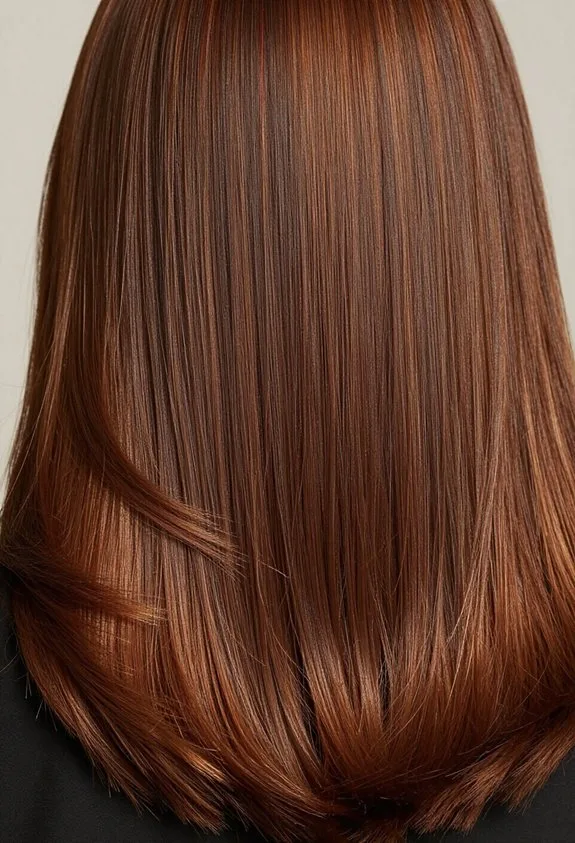
When seeking a flawless, uniform color that requires minimal maintenance, glossy single-process brown delivers understated elegance through straightforward application. This technique creates one solid, polished shade from root to tip.
The process involves applying consistent color pigment throughout the hair. A colorist selects the perfect brown tone matching the client’s skin undertones and desired intensity. Single-process application takes approximately 45 minutes, making it efficient and accessible.
Quality matters considerably here. Premium formulas like Clairol Natural Instincts or Wella Color Charm provide superior shine and longevity. The glossy finish reflects light beautifully, creating dimensional depth without highlighting or lowlights.
Maintenance remains straightforward. Color-safe shampoos preserve vibrancy between appointments. Root touch-ups occur every 4-6 weeks, depending on natural hair growth and color choice.
This approach works exceptionally well for those preferring simplicity and polish.
Frequently Asked Questions
How Long Does Salon-Quality Brown Hair Color Typically Last Before Fading?
Salon-quality brown hair color typically lasts four to eight weeks before noticeable fading occurs. The longevity depends on hair porosity, shampoo frequency, sun exposure, and whether the dye is permanent or semi-permanent formulation.
What’s the Best Way to Maintain Brown Hair Color Between Salon Appointments?
One maintains brown hair color between salon appointments by using color-safe shampoo and conditioner, limiting heat styling, protecting hair from sun exposure, and scheduling touch-ups every four to eight weeks as needed.
Which Brown Shade Works Best for Different Skin Tones and Undertones?
Warm undertones pair well with caramel, honey, or golden browns. Cool undertones suit ash, chestnut, or mocha shades. Olive skin complements chocolate or espresso tones. Fair skin brightens with lighter caramels. Deep skin glows with rich, dark chocolates.
Can I Achieve These Brown Colors at Home or Should I Visit a Salon?
Achieving salon-quality brown hair at home is possible with proper preparation and quality products, though professionals offer expertise in shade selection, application technique, and color correction that minimizes damage risk and guarantees ideal results.
How Much Does Professional Brown Hair Coloring Cost on Average?
Professional brown hair coloring typically costs between $75 and $200, depending on salon location, stylist experience, hair length, and whether additional services like treatments or consultations are included.
Conclusion
Brown hair color transforms any look with versatility and dimension. From rich chocolate to sun-kissed caramel, these shades work across skin tones. Techniques like balayage and shadow roots keep maintenance manageable while delivering salon-quality results. Strategic highlights add depth without commitment. Whether choosing single-process richness or multi-tonal complexity, proper care preserves vibrancy. Professional consultation guarantees the perfect shade match for lasting, head-turning elegance.