
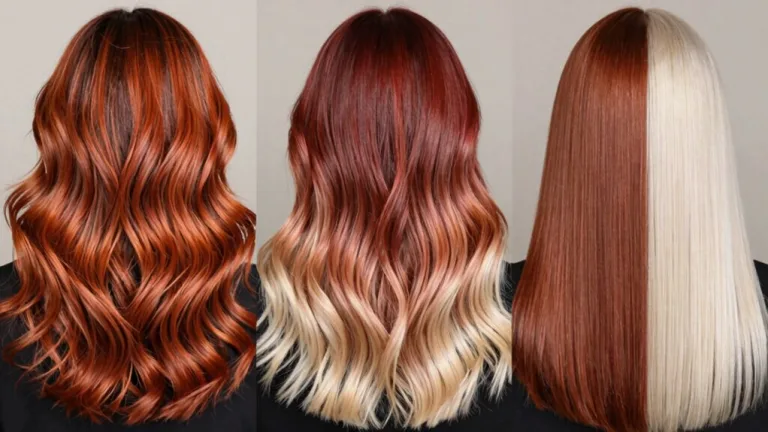
Red and blonde hair color techniques have revolutionized how people express personal style. Balayage, ombre, and split dye offer distinct approaches to dimensional color that work across various hair types and skin tones. Each method creates unique visual effects, from subtle sun-kissed highlights to dramatic contrasts. Understanding which technique aligns with your features—and maintenance commitment—requires exploring specific applications and expert guidance. Let’s examine how these approaches can transform your appearance.
Table of Contents
- Classic Balayage: Natural Dimension With Hand-Painted Highlights
- Blonde Balayage: Soft Transitions and Effortless Dimension
- Red Balayage: Warm Tones and Dimensional Depth
- Traditional Ombre Technique: Bold Color Gradation
- Reverse Ombre Technique: Light Roots, Dark Ends
- Sombre Technique: Subtle Color Blending
- Split Dye: Half Red, Half Blonde Bold Statement
- Money Pieces: Sculpted Face-Framing Highlights
- Strawberry Blonde: The Red-Blonde Balance
- Tiger Stripes: Dimensional Streaks for Depth and Movement
- Sunset Ombre: Fiery Red to Golden Blonde Gradient
- Dimensional Highlights: Strategic Placement for Texture and Volume
- Babylights: Finer, More Natural Dimension
- Red and Blonde for Your Hair Type and Skin Tone: The Complete Matching Guide
- Frequently Asked Questions
- How Often Should I Touch up Red and Blonde Balayage or Ombre Hair Color?
- What Is the Cost Difference Between Balayage, Ombre, and Split Dye Techniques?
- How Do I Maintain Vibrant Red and Blonde Colors Between Salon Appointments?
- Will These Techniques Damage My Hair, and What’s the Recovery Process?
- Can I Achieve These Looks at Home, or Do I Need a Professional Stylist?
- Conclusion
Classic Balayage: Natural Dimension With Hand-Painted Highlights
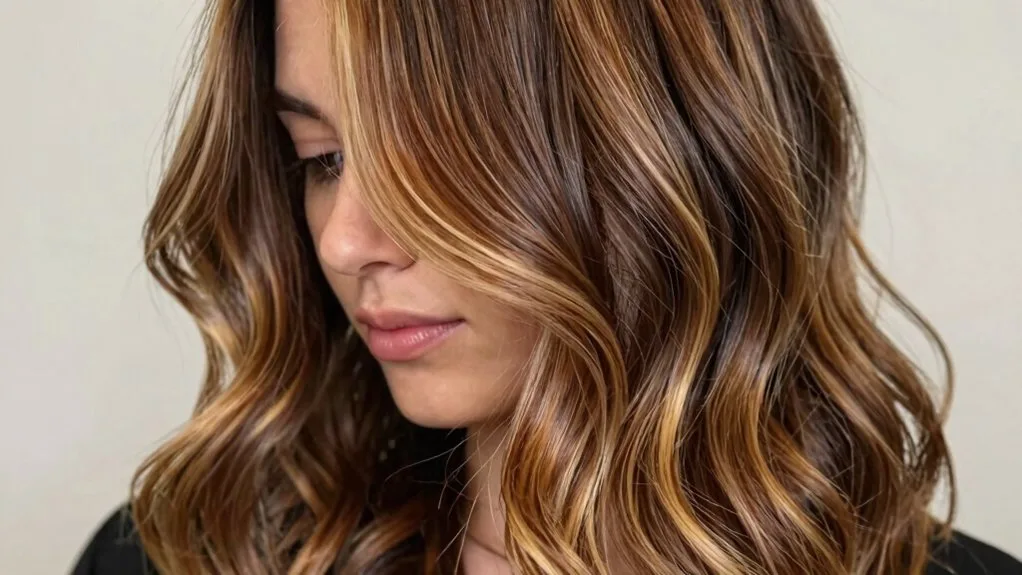
Because balayage allows stylists to paint highlights directly onto the hair rather than using traditional foil methods, this technique has become the go-to choice for clients seeking natural-looking dimension. The hand-painted approach creates seamless color gradations that mimic natural sun-kissed effects.
Stylists typically apply lighter shades to mid-lengths and ends while keeping roots darker for depth. This placement prevents the harsh lines associated with traditional highlighting. Warm honey tones work beautifully on brunettes, while cooler ash blondes suit lighter bases.
The technique requires precision and artistic skill. Expert colorist Maria Chen notes, “Balayage success depends on understanding hair movement and how light interacts with each section.” Results last longer than other methods, typically eight to twelve weeks, making balayage a practical investment for dimension-seeking clients wanting maintenance-friendly color.
Also read: 18 Red Hair Color Ideas to Try in 2026
Blonde Balayage: Soft Transitions and Effortless Dimension
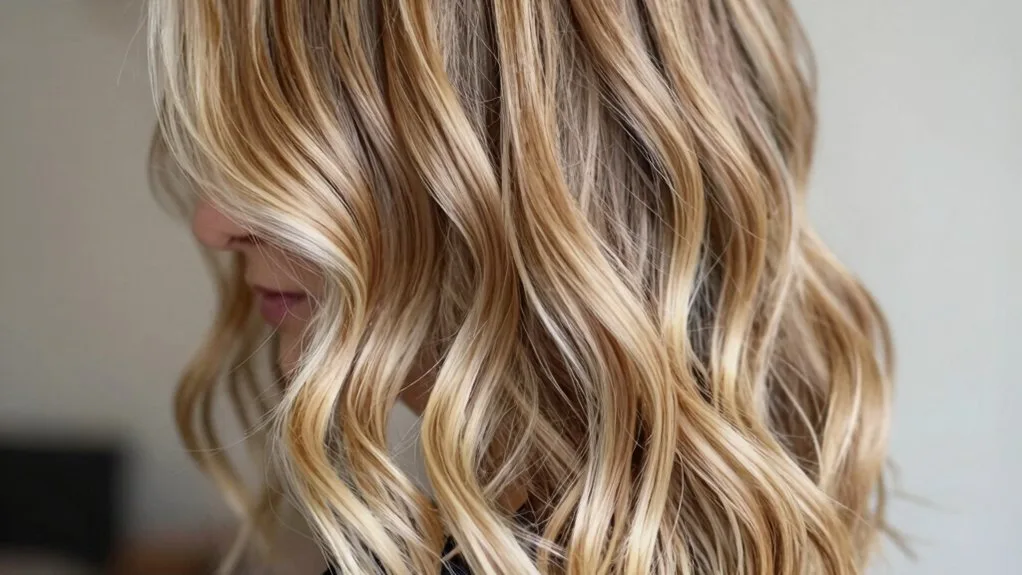
When blonde hair receives the balayage treatment, it transforms into a luminous canvas of interconnected tones. Stylists paint highlights strategically along face-framing sections and throughout mid-lengths, creating soft gradations rather than stark contrasts. This technique works exceptionally well on blonde base colors because lighter strands blend seamlessly with dimensional pieces.
The placement matters considerably. Concentrating lighter tones near the face creates flattering brightness, while deeper blonde pieces throughout the mid-lengths and ends add depth without requiring frequent maintenance. Colorists often use Wella T18 or comparable toners to achieve cool, buttery blonde dimensions.
“Blonde balayage celebrates natural movement,” explains master colorist James Boehmer. “Hand-painting allows us to customize dimension based on individual face shape and skin tone.”
The result? Effortless dimension that grows out gracefully, maintaining its beauty between salon visits.
Red Balayage: Warm Tones and Dimensional Depth
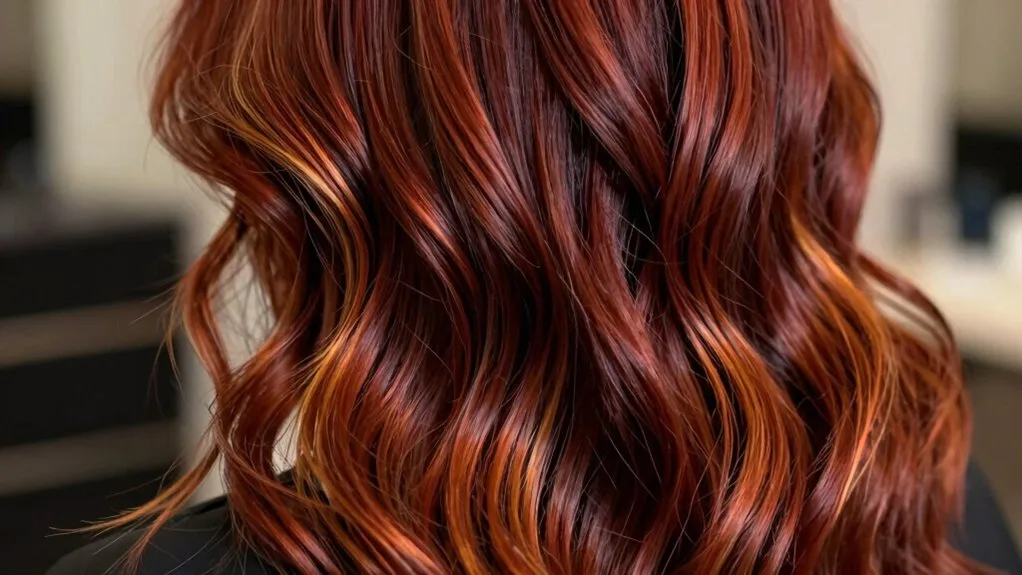
The artistry of red balayage lies in its ability to transform hair into layers of warmth. Stylists hand-paint copper, auburn, and burgundy tones onto mid-lengths and ends, creating natural-looking dimension without harsh lines. This technique works exceptionally well on darker base colors, where warm undertones emerge beautifully.
The placement matters tremendously. Concentrating lighter shades around the face brightens complexion instantly. Red balayage demands quality maintenance products like color-safe shampoos and deep conditioning treatments to preserve vibrancy.
According to colorist Maria Chen, “Red tones fade faster than blonde, so strategic placement near the face maximizes longevity.” The dimensional effect combines multiple red families—think brick red blending into mahogany. This approach delivers sophisticated depth that evolves gracefully as color naturally fades.
Traditional Ombre Technique: Bold Color Gradation
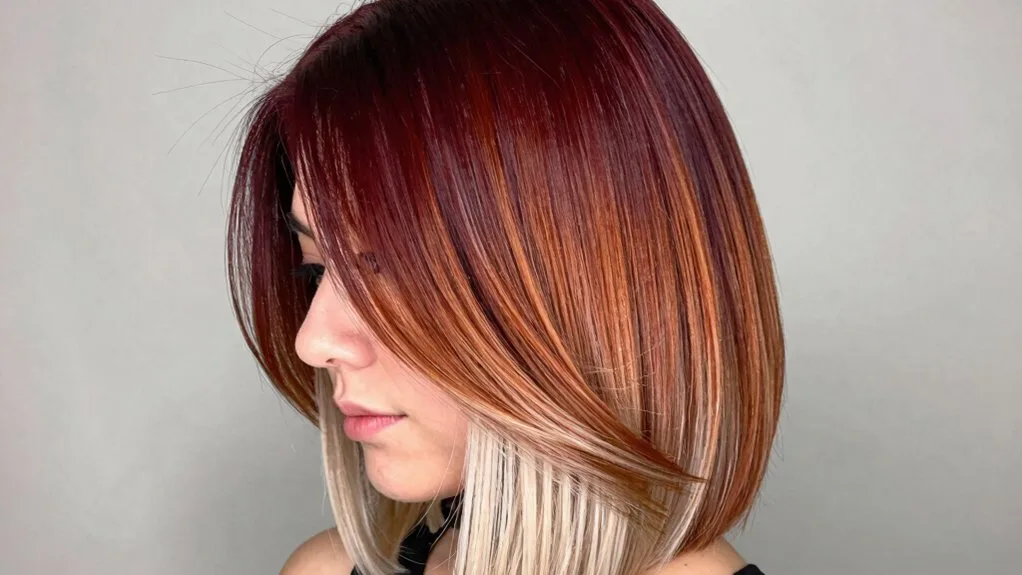
While red balayage celebrates hand-painted subtlety, traditional ombre takes a more deliberate approach to color placement. This technique creates a striking gradient from darker roots to lighter ends, delivering bold visual impact that transforms the entire look.
The process involves strategic sectioning and application timing:
- Root shadow application using deep burgundy or auburn tones for dimension and depth
- Mid-length progression zone blended with medium red or copper shades for seamless flow
- End lightening with blonde or strawberry highlights for contrast and movement
- Processing time management to guarantee even color development throughout sections
Colorists typically recommend applying darker tones first, allowing proper processing before introducing lighter shades. This prevents muddy results and maintains color vibrancy. Professional products like Wella Color Charm or Schwarzkopf Igora excel at achieving clean gradations. The result offers drama without constant maintenance, making it ideal for clients seeking commitment to bold color statements.
Reverse Ombre Technique: Light Roots, Dark Ends
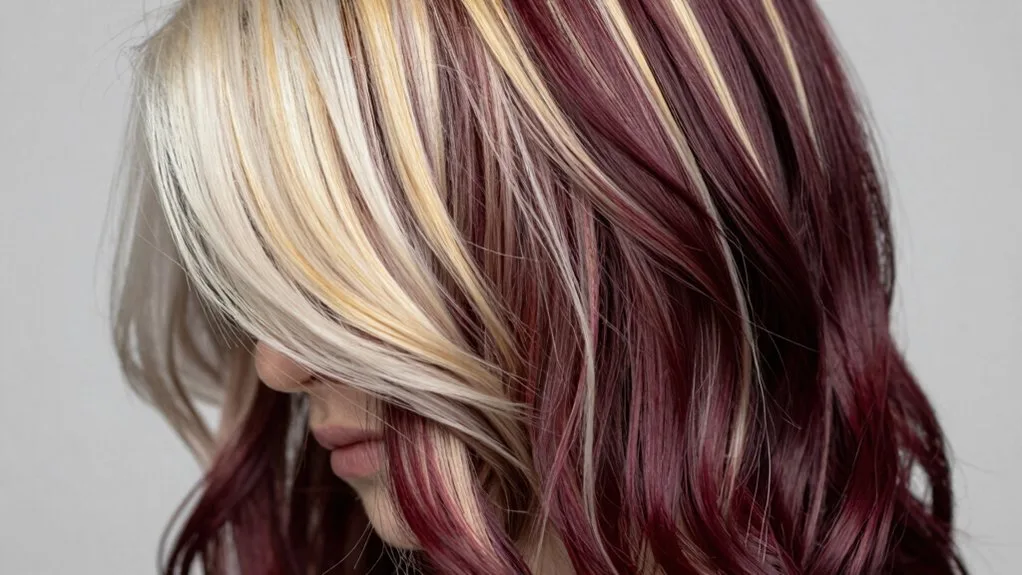
Reverse ombre flips traditional color placement on its head, positioning lighter shades at the roots and progressively deepening toward the ends. This technique creates a youthful, low-maintenance aesthetic that flatters various skin tones and hair textures.
The application begins with a lighter base—typically blonde, caramel, or honey tones—maintaining natural-looking root depth. Stylists then gradually introduce darker pigments through the mid-lengths and ends, using products like Schwarzkopf Professional Igora Royal for seamless changes. The dimensional effect mimics natural regrowth patterns in reverse.
According to colorist James Chen, “Reverse ombre works exceptionally well for clients seeking reduced touch-up frequency.” The technique suits both warm and cool undertones when executed with precision. Success depends on strategic sectioning, careful application timing, and selecting complementary color families that enhance rather than clash.
Sombre Technique: Subtle Color Blending
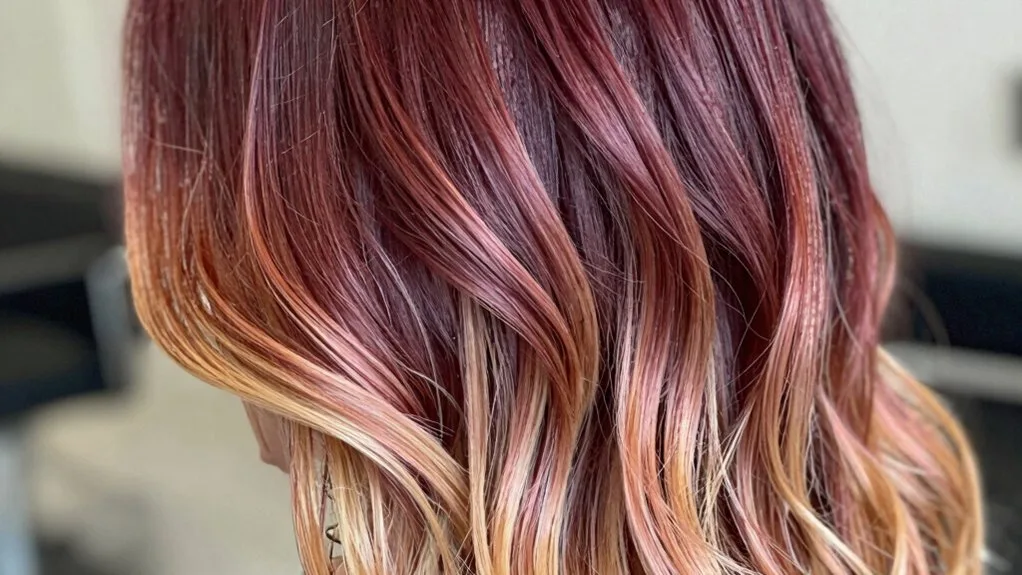
Subtlety defines sombre, a refinement of traditional balayage that blends multiple tones with barely-there dimension. This technique creates soft, natural-looking color variations without stark contrasts. Stylists strategically place lighter and darker shades throughout the hair for understated sophistication.
The sombre approach offers several advantages:
- Low-maintenance styling with grown-out roots blending seamlessly into mid-lengths
- Dimensional depth achieved through carefully placed warm and cool tones
- Flattering results for various skin tones when executed with precision
- Extended time between touch-ups due to subtle color gradations
Professional colorist Maria Chen explains, “Sombre celebrates natural hair texture while adding depth without commitment.” The technique typically uses balayage application methods with refined placement, focusing on face-framing highlights. Recommended products include Olaplex Color System for hair integrity and Wella Professionals’ toning solutions for seamless blending. This approach suits clients seeking polished elegance.
Split Dye: Half Red, Half Blonde Bold Statement
Split dye takes color blocking to its boldest extreme, abandoning subtlety for graphic impact. This technique divides the hair down the center, assigning contrasting hues to each side. One half features vibrant red tones, while the other showcases bright blonde, creating stark visual drama.
The execution requires precision sectioning and careful application. Colorists typically use semi-permanent dyes like Manic Panic or Pravana to maintain vibrancy while allowing experimentation. The red side demands deeper processing, often requiring pre-lightening to achieve rich saturation without muddiness.
Styling becomes integral to the design’s success. Center parts emphasize the division most effectively. According to colorist Marcus Chen, “Split dye works best on straight or sleek styles where both colors remain equally visible.”
Maintenance involves separate care protocols for each side, using color-safe shampoos and UV protection to prevent fading and brassiness.
Money Pieces: Sculpted Face-Framing Highlights
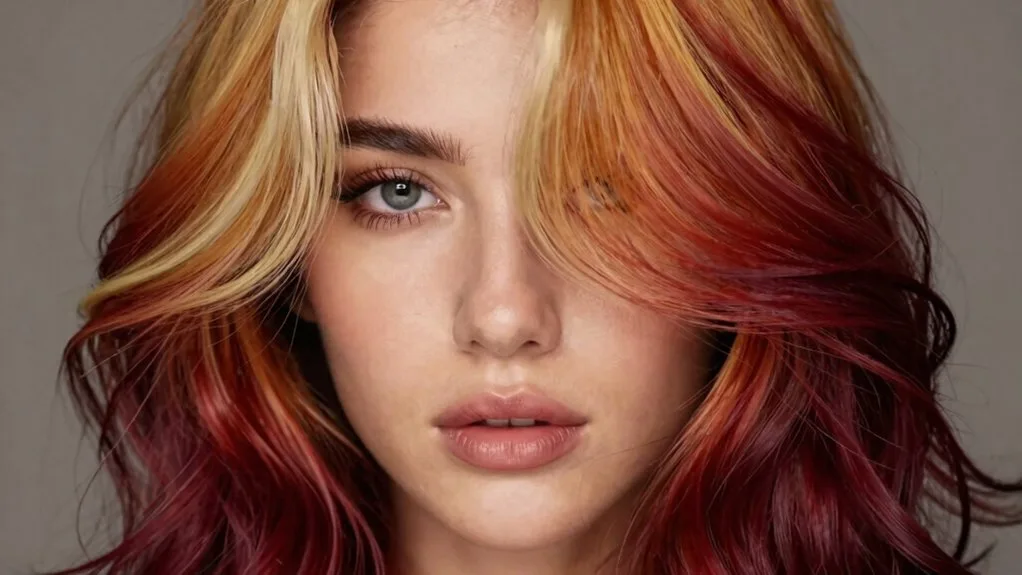
A strategic placement of lighter strands around the face transforms hair into a sculpted masterpiece. Money pieces work exceptionally well for those seeking dimension without commitment to full color changes. These face-framing highlights brighten the complexion and create an illusion of depth.
Key benefits include:
- Enhanced facial features through strategic light placement near cheekbones and temples
- Low-maintenance styling requiring touch-ups every 8-12 weeks instead of constant upkeep
- Versatility across all hair types, from straight to textured waves
- Seamless blending with natural base colors for effortless sophistication
Colorists typically apply warm honey tones or ash blondes using balayage techniques. This method prevents harsh lines while maintaining movement. The technique flatters various skin tones when executed with precision. Results appear intentional yet naturally sun-kissed, making money pieces an increasingly popular choice for professionals seeking polished aesthetics.
Strawberry Blonde: The Red-Blonde Balance
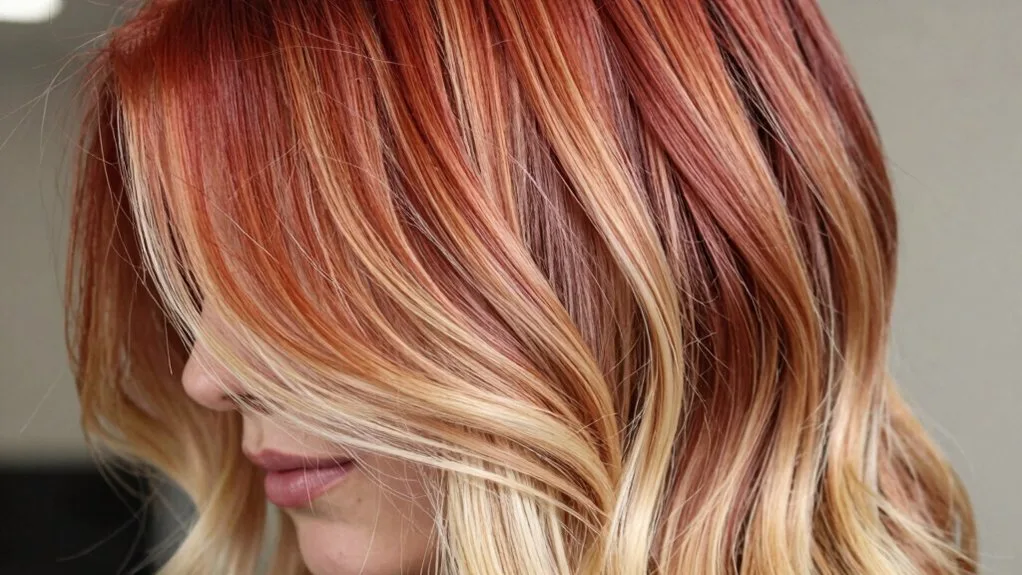
Strawberry blonde occupies a unique position between warm reds and golden blondes, creating a multidimensional color that flatters a surprising range of skin tones. This technique requires strategic placement of peachy-red and honey-blonde tones throughout the hair for maximum dimension. The base color typically stays one to two shades darker than the highlights, creating depth and preventing a flat appearance.
Stylists apply strawberry blonde using balayage methods, hand-painting warmer tones around the face and cooler blonde through the mid-lengths and ends. This creates natural movement and dimension. The result works beautifully on medium to dark base colors, where the contrast becomes most visible.
Maintaining strawberry blonde demands color-safe products and weekly toning shampoos to preserve the delicate balance between warm and cool tones.
Tiger Stripes: Dimensional Streaks for Depth and Movement
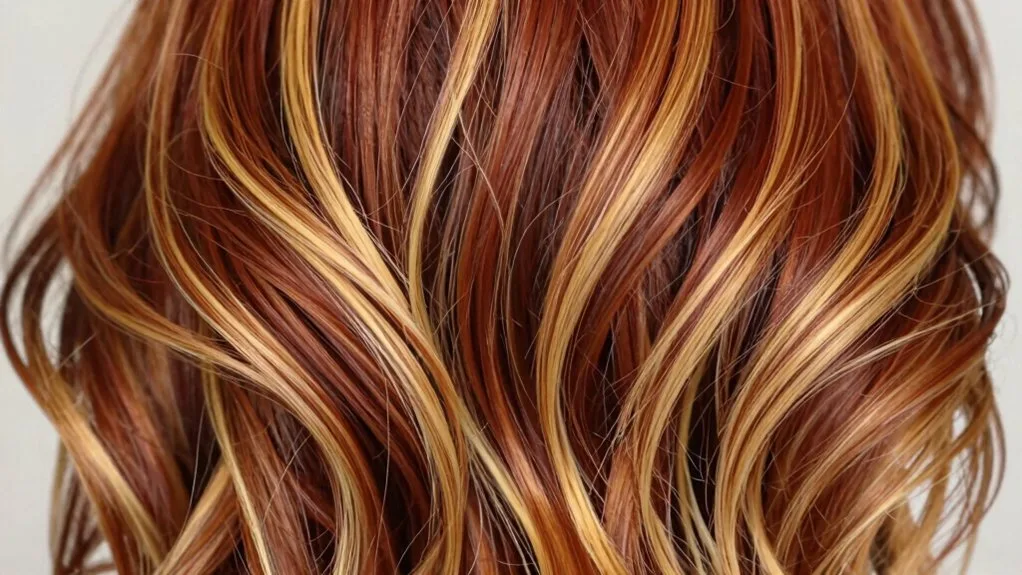
While strawberry blonde perfects the subtle interplay of warm and cool tones, tiger stripes take dimensional coloring to a bolder level with high-contrast streaks that mimic natural light patterns. This technique creates movement and depth through strategic placement.
The tiger stripe method involves:
- Creating vertical sections using alternating blonde and warm-toned ribbons throughout the hair
- Applying balayage or hand-painting techniques for soft, feathered shifts between colors
- Concentrating lighter shades near the face and crown for dimension and flattery
- Using toners like Wella T18 or Schwarzkopf Igora Royal to maintain color vibrancy
Colorists strategically place warm caramel and honey tones against cooler ash-blonde sections. The resulting contrast mimics how sunlight naturally catches hair. This dimensional approach works exceptionally well on medium to thick textures, providing visual fullness and movement without requiring frequent touch-ups.
Sunset Ombre: Fiery Red to Golden Blonde Gradient
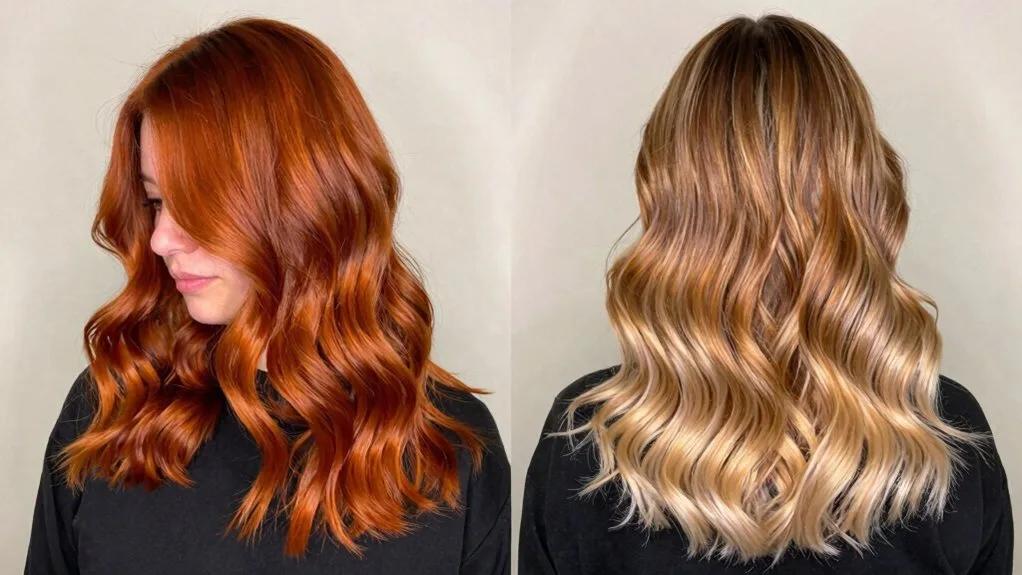
This gradient technique transforms hair into a warm color story, moving from deep crimson or copper roots through amber midtones to pale golden ends. The effect creates seamless dimension that catches light beautifully at every angle. Colorists typically use a balayage application method for natural-looking shifts. They paint warm tones strategically rather than applying uniform sections.
Professional colorists recommend starting with a toner like Wella T18 on blonde ends. Mid-lengths receive deeper amber shades for dimension. Root areas stay rich burgundy or mahogany for depth. As one colorist notes, “The key is blending each section without harsh lines.”
Maintenance requires sulfate-free shampoo and weekly color-depositing conditioners. Heat styling should include protective sprays. Regular glossing treatments every four weeks preserve vibrancy and dimension throughout the gradient.
Dimensional Highlights: Strategic Placement for Texture and Volume
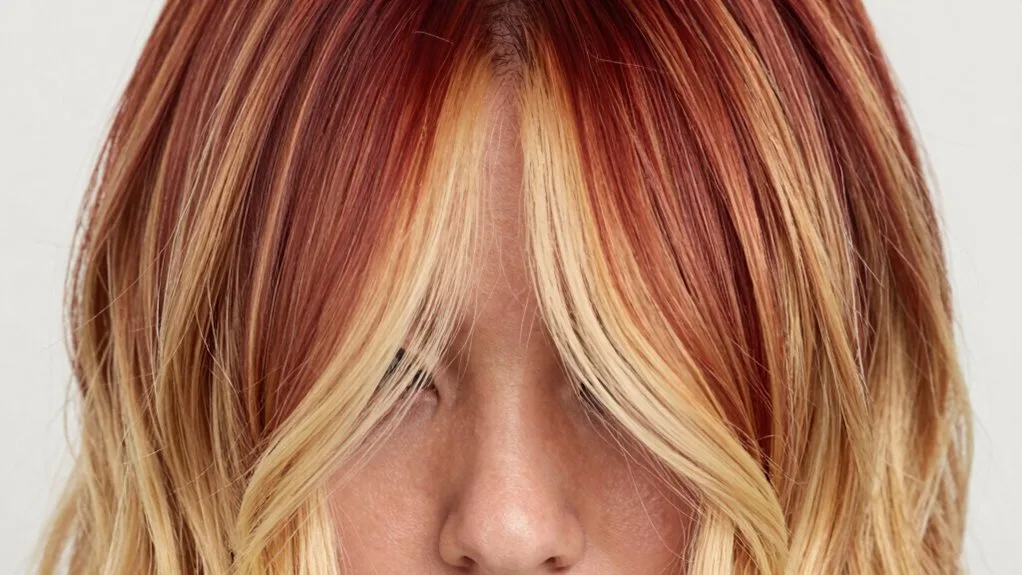
Unlike uniform color, dimensional highlights create visual texture by placing lighter shades strategically throughout the hair to enhance natural movement and fullness. This technique works beautifully with red and blonde combinations, transforming flat color into multidimensional artistry.
Strategic placement involves these key approaches:
- Face-framing highlights around the hairline to brighten complexion and draw attention to facial features
- Root shadowing with deeper tones to create depth and make styles appear fuller
- Mid-shaft placement of golden or copper tones to catch light during movement
- Scattered pieces throughout the crown for dimension that photographs beautifully
Stylists apply these highlights using balayage or foil methods, depending on desired intensity. Golden blonde and warm copper tones complement warm skin undertones exceptionally well. The result appears naturally sun-kissed rather than artificially striped, elevating overall hair health perception and creating the illusion of thicker, bouncier strands.
Babylights: Finer, More Natural Dimension
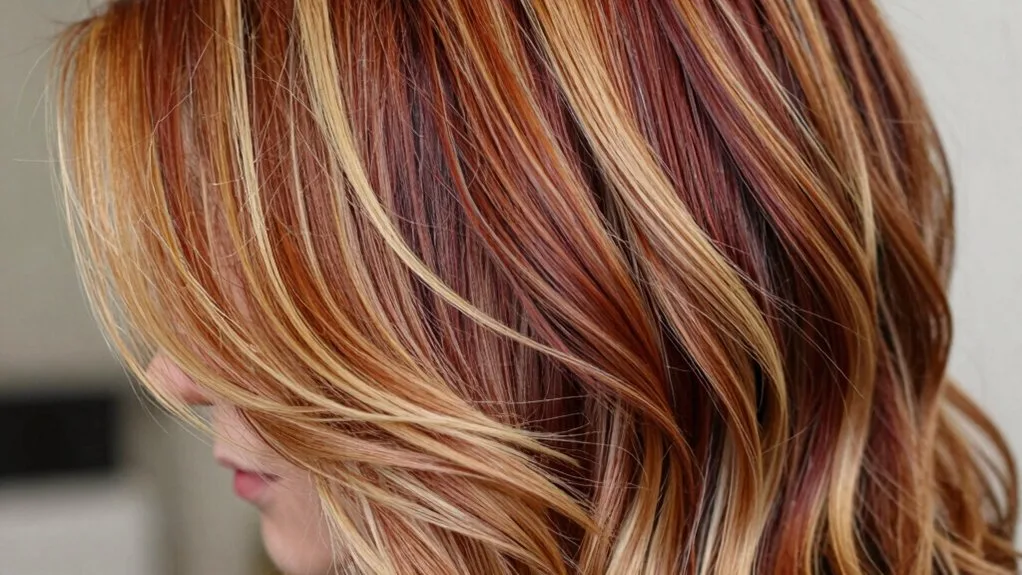
Taking the dimensional highlight concept further, babylights represent the next evolution in subtle color placement. These ultra-fine, delicate strands of color mimic natural sun-kissed tones that develop gradually over time. Rather than chunky highlights, babylights use thin, strategic placement throughout the hair to create seamless dimension.
The technique works exceptionally well on red and blonde bases. Colorists apply lighter shades in wispy sections, blending them imperceptibly into the base color. This creates depth without harsh contrasts. Products like Wella T18 and Schwarzkopf Blondme help achieve the softest shifts between tones.
As colorist Marcus Chen explains, “Babylights celebrate the hair’s natural movement and texture.” The placement follows the hair’s natural growth patterns, ensuring authentic-looking results that grow out gracefully. Fine sectioning and precise application define this method’s success and longevity.
Red and Blonde for Your Hair Type and Skin Tone: The Complete Matching Guide
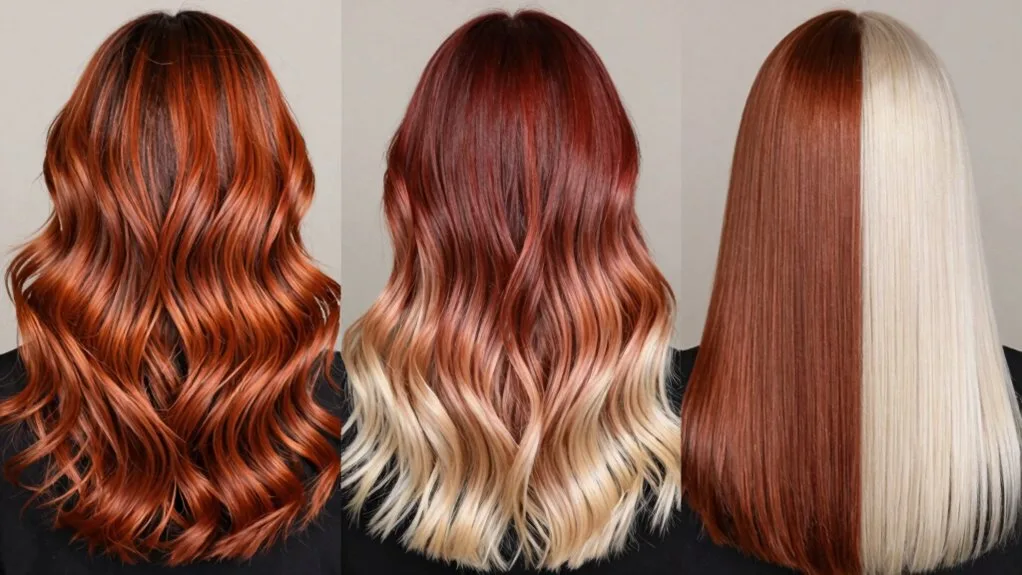
Selecting the right red or blonde shade requires understanding three foundational elements: natural hair texture, undertones in skin, and lifestyle maintenance commitment. These factors determine whether a color truly flatters or falls flat.
- Cool undertones pair beautifully with ash blondes and burgundy reds, creating sophisticated contrast against fair and medium complexions.
- Warm undertones complement golden blondes and copper reds, enhancing richness in deeper skin tones and olive complexions.
- Fine hair textures hold pastel shades better, while coarse textures support richer, more saturated dimensions without appearing flat.
- High-maintenance lifestyles support vibrant reds requiring monthly root touch-ups; low-maintenance preferences favor balayaged blondes with natural regrowth patterns.
Celebrity colorist Christy Heitmann notes, “Dimensional placement matters as much as shade selection.” Strategic babylights and shadow roots create movement while minimizing commitment concerns. Understanding these intersecting elements guarantees personalized, stunning results.
Frequently Asked Questions
How Often Should I Touch up Red and Blonde Balayage or Ombre Hair Color?
Red and blonde balayage or ombre hair typically requires touch-ups every 4-8 weeks. Red fades faster, necessitating more frequent maintenance, while blonde can extend longer between appointments. Root touch-ups and color refreshers help maintain vibrancy and dimension throughout the year.
What Is the Cost Difference Between Balayage, Ombre, and Split Dye Techniques?
Balayage typically costs $100-$300, requiring skilled hand-painting and longer appointment times. Ombre ranges from $80-$250, involving less precision work. Split dye generally costs $120-$280, depending on complexity and salon location.
How Do I Maintain Vibrant Red and Blonde Colors Between Salon Appointments?
One maintains vibrant red and blonde colors by using color-safe shampoos and conditioners, minimizing heat styling, applying weekly deep conditioning treatments, and protecting hair from sun exposure. Purple-toning shampoos help neutralize unwanted brassiness in blonde shades.
Will These Techniques Damage My Hair, and What’s the Recovery Process?
Chemical coloring techniques can cause damage including dryness and breakage. Recovery involves deep conditioning treatments weekly, protein masks, minimizing heat styling, regular trims every six weeks, and using sulfate-free products to restore hair health gradually.
Can I Achieve These Looks at Home, or Do I Need a Professional Stylist?
One can attempt these techniques at home; however, professionals achieve superior results. Complex procedures like balayage and split dye require expertise in color theory, sectioning, and timing. Most stylists recommend professional application for ideal outcomes and hair health protection.
Conclusion
Red and blonde hair color techniques offer transformative possibilities for any style preference. Whether choosing classic balayage for natural dimension, bold ombre for dramatic contrast, or split dye for artistic expression, these methods deliver personalized results. Success depends on matching technique to individual hair type and skin tone. Professional application guarantees longevity and vibrancy. Maintenance with color-safe products and regular touch-ups preserves dimensional depth and luminosity throughout the season.