
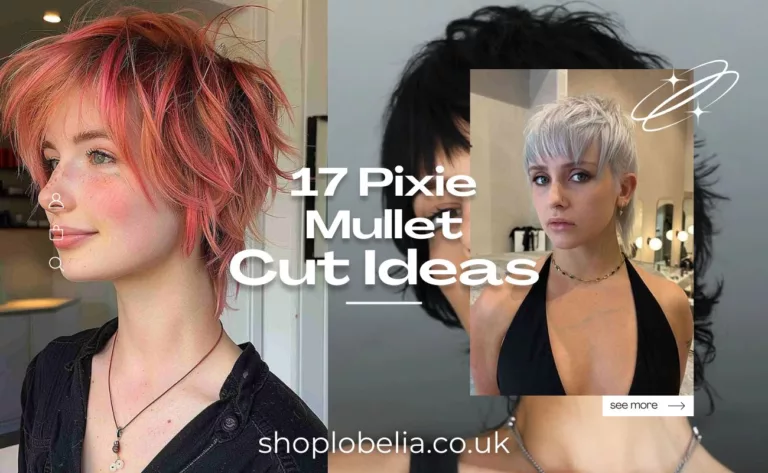
The pixie mullet trend offers bold styling options that’ll make a statement in 2025. You’ll find classic textured versions with choppy layers, platinum spiky rebel cuts for dramatic impact, and feathered styles that create soft movement.
Modern variations include undercut designs, sleek tapered blends, and volume-heavy crown styles that add height and drama. Whether you prefer a graduated length shift for a subtle approach or a punk rock fusion for maximum edge, there’s a pixie mullet to match your personality.
Regular maintenance every 6-8 weeks keeps these cuts looking sharp, and various styling products help you achieve different looks. These versatile cuts have more exciting possibilities to explore.
Table of Contents
- Classic Textured Pixie Mullet
- Platinum Spiky Rebel Cut
- Asymmetrical Side-Swept Mullet
- Feathered Layered Pixie
- Undercut Pixie Mullet Fusion
- Curly Pixie Mullet Mix
- Razor-Sharp Edge Blend
- Disconnected Length Play
- Soft Wispy Mullet
- Choppy Layered Mix
- Long Crown Pixie Mullet
- Shaved Sides Statement
- Messy Textured Flow
- Sleek Tapered Blend
- Volume-Heavy Crown Design
- Graduated Length Transition
- Punk Rock Pixie Fusion
- Conclusion
Classic Textured Pixie Mullet
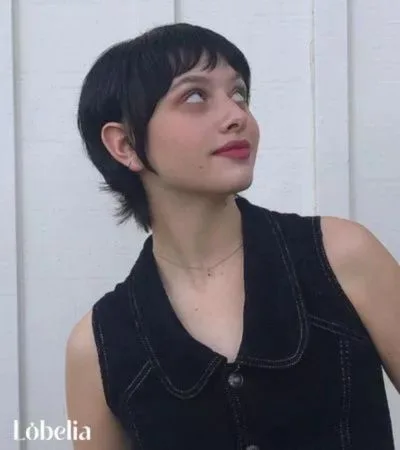
A cascade of choppy layers defines the Classic Textured Pixie Mullet, blending the edgy appeal of a mullet with the sophistication of a pixie cut. You’ll notice shorter, textured pieces at the crown and sides, while the back maintains that signature mullet length, creating a modern twist on two iconic styles.
To achieve this look, you’ll want to ask your stylist for point-cutting techniques that create natural-looking texture throughout the crown. The sides should be tapered, but not too short, maintaining enough length to show off the choppy layers.
The back section needs to be left longer, typically falling just above or at the neckline, with subtle graduation to connect with the shorter top layers.
This style works best with regular maintenance every 6-8 weeks to keep the shape intact. You can style it using a lightweight texturizing product and your fingers to enhance the natural movement of the layers.
For daily styling, you’ll find that a quick blow-dry with a small round brush helps maintain volume at the crown while keeping the back smooth and controlled.
Platinum Spiky Rebel Cut
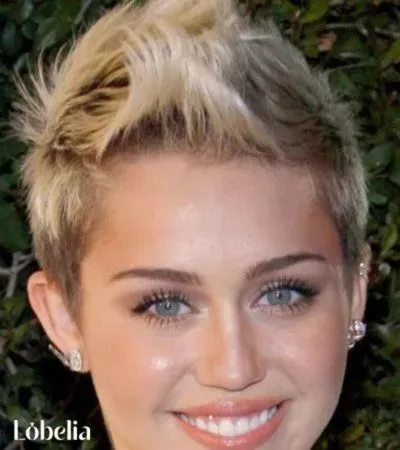
Taking the textured pixie mullet to bolder territory, the Platinum Spiky Rebel Cut makes a striking statement with its icy blonde color and dramatic, upward-styled spikes. You’ll need to start with a short pixie cut base that’s longer on top and tapered at the sides, with that signature mullet length at the back.
To achieve this look, you’ll want to bleach your hair to a pure platinum shade, which should be done by a professional to prevent damage. The cut requires shorter layers throughout the crown, gradually becoming longer toward the nape. Your stylist will create textured, choppy pieces on top that can be styled into spikes using a strong-hold pomade or gel.
When styling at home, you’ll need to work with small sections, applying your styling product to damp hair and directing the spikes upward with your fingers. A blow dryer with a concentrator nozzle will help lock the spikes in place. Don’t forget to maintain your platinum shade with purple shampoo and regular touch-ups every 4-6 weeks. This cut works best if you have naturally straight or slightly wavy hair.
Asymmetrical Side-Swept Mullet
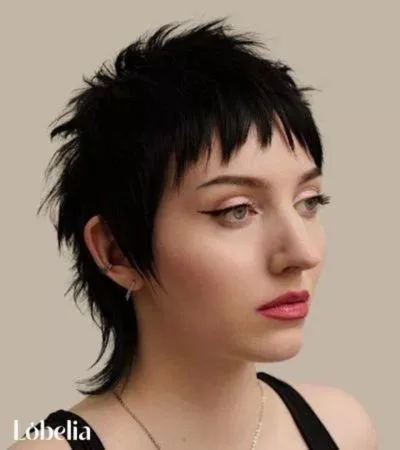
Modern rebels embrace the Asymmetrical Side-Swept Mullet for its bold fusion of classic mullet edge and contemporary pixie styling. You’ll notice this cut features longer strands swept dramatically to one side, while the opposite side maintains a shorter, more controlled length. The back retains the signature mullet flow but with an updated twist that keeps it fresh and current.
To achieve this look, you’ll need to work with your stylist to determine the ideal length ratio between the sides. The longer side typically falls just below your cheekbone, creating a striking frame for your face, while the shorter side is clipped close to showcase your features.
The back section should graduate smoothly from your crown, maintaining enough length to create that distinctive mullet silhouette.
Styling this cut requires minimal effort, but you’ll want to use a lightweight texturizing product to enhance the natural movement. Direct the longer side-swept portion using a round brush while blow-drying, and finish with a light hold hairspray to maintain the asymmetrical shape throughout the day.
Feathered Layered Pixie
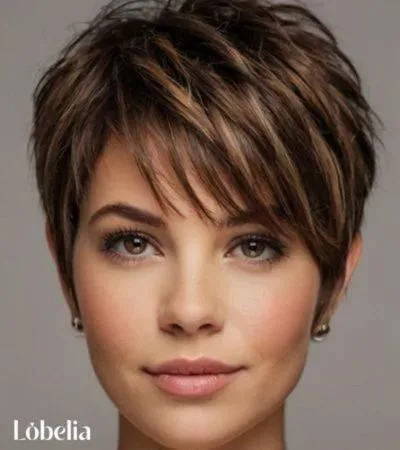
Soft, feathered layers transform the traditional pixie mullet into a more delicate and versatile style. You’ll find that this cut creates movement and texture throughout your hair, with wispy ends that soften your facial features. The feathering technique involves cutting the hair at an angle to reduce bulk and create a natural, flowing appearance.
To achieve this look, you’ll need to ask your stylist to incorporate graduated layers that start shorter at the crown and gradually lengthen toward the nape. The sides should be texturized with subtle feathering, while the back maintains the characteristic mullet length but with softer shifts. Your stylist will use point-cutting and razor techniques to create piece-y, lightweight layers that move freely.
For styling, you’ll want to use a lightweight mousse or texture spray to enhance the feathered effect. Apply the product to damp hair, then blow-dry using a small round brush to create lift at the roots and movement in the layers. You can finish with a light-hold hairspray to maintain the style’s shape while preserving its natural, airy movement throughout the day.
Also Read: 15 Shaggy Pixie Cut Ideas to Try in 2025
Undercut Pixie Mullet Fusion
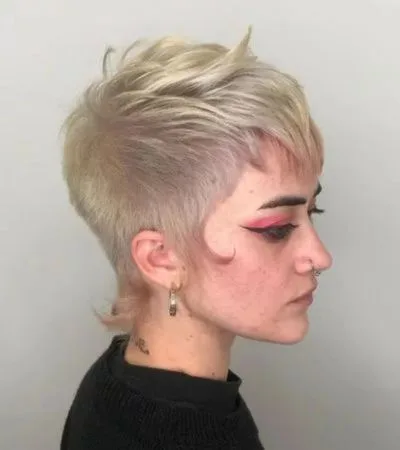
The edgy undercut pixie mullet fusion combines sharp contrast with rebellious style, featuring closely buzzed sides that dramatically shift into longer top and back sections. You’ll notice how this cut creates a bold statement with its distinctive silhouette, blending modern punk aesthetics with classic mullet elements.
To maintain this style, you’ll need regular trims every 4-6 weeks to keep the undercut portion neat and defined. The top section should be cut in varying lengths, typically ranging from 2-4 inches, while the back can extend to collar length. You can style the longer sections using a texturizing product and blow-dry them to create volume and movement.
When discussing this cut with your stylist, you’ll want to specify your preferred undercut depth and the exact length you’d like for the top and back portions. The progression between the buzzed sides and longer sections can be gradual or stark, depending on your preference. This versatile cut works well with both straight and wavy hair textures, though you’ll need to adjust your styling routine accordingly. For the most striking look, consider incorporating subtle highlights or bold colors to emphasize the cut’s dynamic layers.
Curly Pixie Mullet Mix
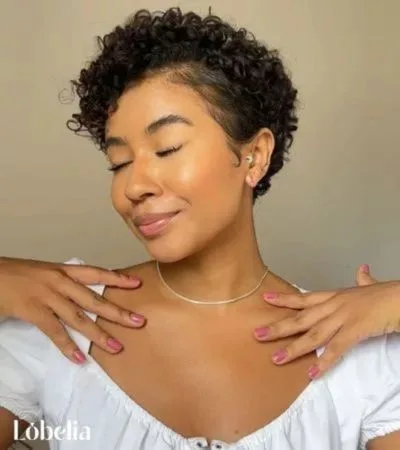
Natural texture takes center stage in a curly pixie mullet mix, where bouncy ringlets create built-in volume and movement throughout the cut. You’ll find that your natural curls add depth to the classic mullet shape, creating a softer, more versatile look that’s easier to style than straight hair versions.
To make this style work for you, you’ll want to keep the sides shorter while leaving length at the crown and back. Your stylist should cut the hair dry to account for curl shrinkage and safeguard proper proportions. You can enhance your curls with lightweight styling products, focusing on curl-defining creams rather than heavy gels that might weigh down your texture.
When styling your curly pixie mullet, you’ll need to work with your natural curl pattern. Use a diffuser to dry your hair while maintaining curl definition, and don’t forget to scrunch your curls upward to create volume at the roots. For best results, you’ll want to refresh your cut every 6-8 weeks to maintain the shape and prevent the back from becoming too heavy or losing its mullet-like appearance.
Razor-Sharp Edge Blend
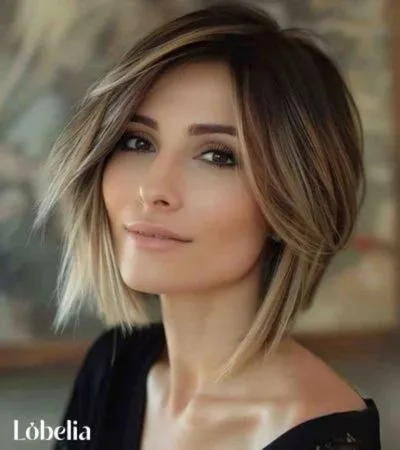
Moving from soft curls to precise lines, razor-sharp edge blending delivers a bold, modern take on the pixie mullet. This technique creates clean, defined shifts between the shorter and longer sections of your hair, giving your pixie mullet a striking architectural quality.
You’ll want to ask your stylist to use a combination of razor cutting and point cutting to achieve those precise edges. The top section should feature sharp, textured layers that blend seamlessly into the longer back portion, while maintaining that distinctive mullet shape. The sides can be tapered dramatically, creating a high-contrast look that emphasizes the edgy interchange between lengths.
For maintenance, you’ll need to schedule regular trims every 4-6 weeks to keep those sharp edges intact. When styling at home, use a firm-hold pomade or texture paste to emphasize the defined lines and maintain the geometric precision of your cut. Apply the product to dry hair, working it through with your fingers to separate and define each section. A light mist of strong-hold hairspray will help lock those sharp edges in place throughout the day.
Disconnected Length Play
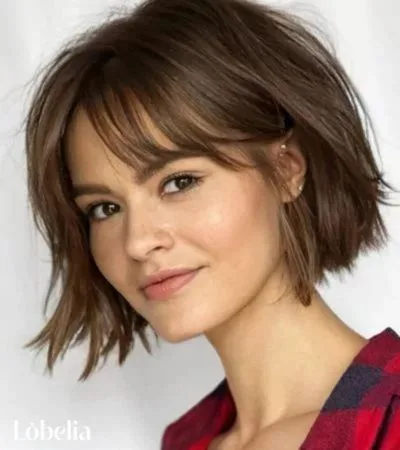
Dramatic contrast defines disconnected length play in pixie mullet styling, where deliberately unblended sections create bold statements and visual intrigue. You’ll notice distinct separations between different lengths, creating a striking effect that sets this variation apart from traditional pixie mullets.
To achieve this look, you’ll want to maintain longer sections at the crown or nape while keeping other areas considerably shorter. The key is to avoid seamless changeovers between these lengths, instead letting them stand apart as separate elements. You can enhance this effect by texturizing the longer pieces while keeping the shorter sections sleek and clean-cut.
When styling your disconnected pixie mullet, you’ll need to work with each section independently. Apply a volumizing product to the longer pieces, and use a straightening balm on the shorter areas. This approach helps emphasize the intentional disconnect between lengths. You can also experiment with different styling techniques, such as spiking up certain sections while letting others lay flat, to further accentuate the dramatic contrast that makes this cut so distinctive.
Soft Wispy Mullet
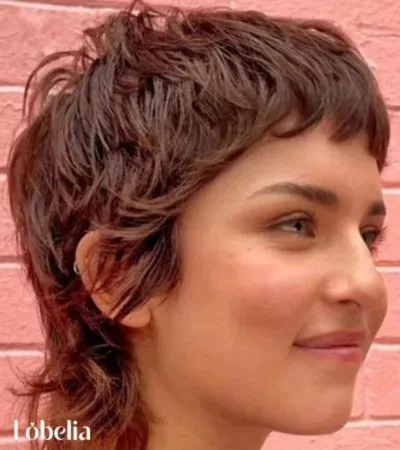
Feather-light layers and delicate texture create the essence of a soft wispy mullet, offering a gentler take on the classic pixie mullet style. You’ll find this version particularly flattering if you’re looking to soften your facial features while maintaining an edgy appearance. The cut features shorter, textured pieces around the crown that gradually meld into longer, wispy strands at the nape of your neck.
To achieve this look, you’ll want to ask your stylist to create soft point-cutting throughout the top layers, which helps eliminate harsh lines and promotes natural movement. The sides should be kept slightly longer than a traditional pixie mullet, allowing for a more subtle interchange between the top and back sections. When styling, you’ll need a lightweight texturizing spray and a small round brush to enhance the wispy effect. Work with your natural hair texture, using your fingers to piece out the layers and create subtle separation.
The soft wispy mullet works well with most hair types but looks especially beautiful on fine to medium hair, where the lightweight layers can create natural volume and movement without appearing heavy or bulky.
Choppy Layered Mix
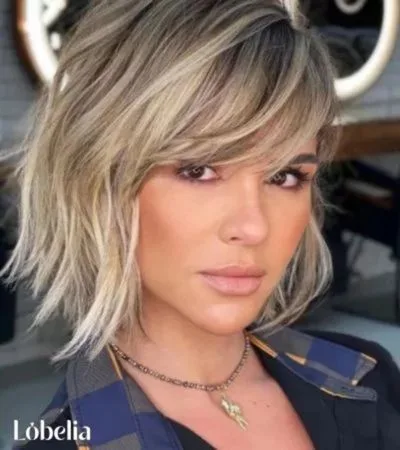
The choppy layered mix takes the pixie mullet in a bolder direction, combining irregular lengths and deliberate disconnection for maximum impact. You’ll notice varying layers throughout your cut, with shorter pieces at the crown and longer sections in the back creating that signature mullet shape. This style works particularly well if you’ve got thick hair that needs weight removal and movement.
To achieve this look, you’ll want your stylist to use point-cutting and razor techniques that create textured edges and uneven layers. The top section should feature shorter, choppier pieces that you can style in different directions, while the sides blend into longer, more dramatic layers toward the back. You can enhance the choppy effect by using texturizing products and rough-drying your hair with your fingers.
When styling your choppy layered mix, you’ll need a lightweight pomade or texturizing paste to separate the layers and create definition. Work the product through your hair from back to front, focusing on lifting the roots and piecing out the ends. This cut requires minimal maintenance but benefits from regular trims every 6-8 weeks to maintain its shape and texture.
Long Crown Pixie Mullet
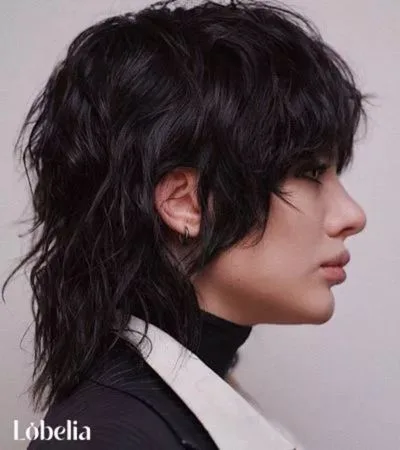
Modern styling meets retro edge in the long crown pixie mullet, where extra length at the crown creates a versatile foundation for various styling options. You’ll find this cut particularly adaptable, as it maintains shorter sides and back while featuring longer strands that cascade from the crown area.
To style your long crown pixie mullet, you’ll want to focus on creating volume at the top while keeping the sides sleek. You can achieve this by applying a volumizing mousse to damp hair and blow-drying the crown section upward using a round brush. The longer crown pieces can be swept forward for a bold fringe, pushed to the side for an asymmetrical look, or styled back for a more polished appearance.
When you’re considering this cut, remember that it works well with both straight and wavy hair textures. The length at the crown should typically fall between your eyebrows and nose, while the back maintains that classic mullet graduation. You’ll need to trim every 6-8 weeks to maintain the shape, especially to keep the shorter sides crisp and defined.
Shaved Sides Statement
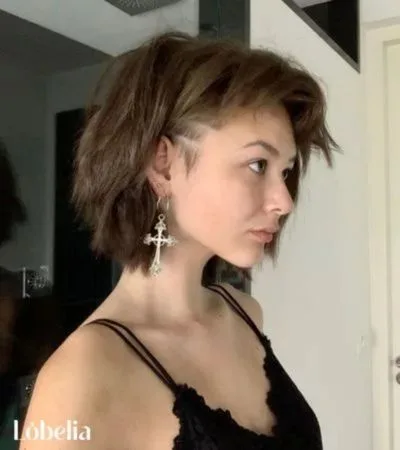
Daring contrasts define a shaved sides statement mullet, where buzzed temples and sides create a bold foundation for longer layers on top and back. You’ll achieve maximum impact by keeping the sides ultra-short, typically with a #1 or #2 guard, while maintaining length through the crown and nape areas. This dramatic style works especially well if you’re looking to highlight your facial features and bone structure.
When styling your shaved sides mullet, you’ll want to focus on creating volume at the crown while letting the back layers fall naturally. Use a volumizing mousse on damp hair, then blow-dry the top section upward using a round brush. You can maintain the shape by applying a light-hold pomade or texturizing spray to keep the longer sections in place without weighing them down.
Regular maintenance is essential for this cut, as you’ll need to trim the shaved portions every 2-3 weeks to keep them sharp. The longer sections require less frequent trimming, usually every 6-8 weeks, but you should regularly check for split ends to maintain the style’s clean lines.
Also Read: 22 Undercut Pixie Bob Trends
Messy Textured Flow
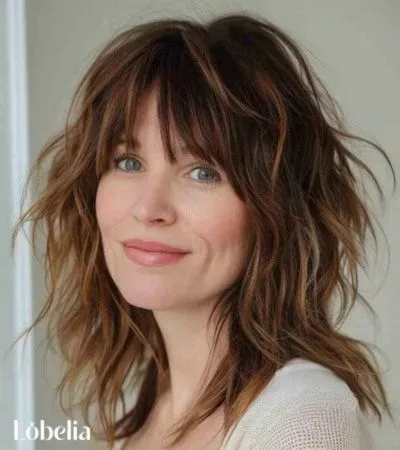
Freedom meets structure in a messy textured flow mullet, where deliberately tousled layers create an effortlessly cool aesthetic. You’ll find that this style works best with texturizing products and a strategic cutting technique that focuses on creating varied layer lengths throughout your hair.
To achieve this look, you’ll need your stylist to cut choppy layers that start at the crown and gradually lengthen toward the nape of your neck. The front sections should be shorter, with pieces that fall naturally around your face, while the back maintains that classic mullet length. Using a point-cutting technique, your stylist will create texture that allows for natural movement and flow.
When styling at home, you’ll want to apply a texturizing spray or mousse to damp hair, then blow-dry using your fingers instead of a brush to maintain that perfectly imperfect look. For extra definition, work a small amount of pomade or texture paste through your layers, focusing on the ends. This technique helps separate the pieces and enhances the natural, lived-in appearance that makes this style so popular.
Sleek Tapered Blend
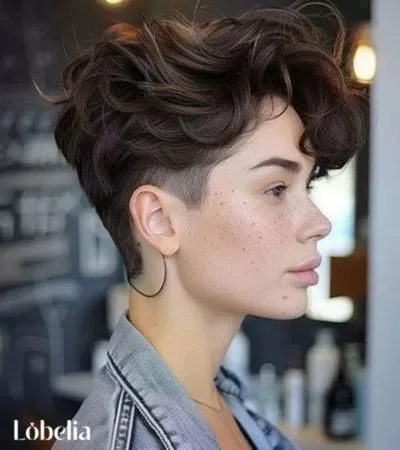
Sophistication meets edge in the sleek tapered blend pixie mullet, combining the polish of a classic pixie with the attitude of a mullet. You’ll notice this style features smooth, graduated layers that shift seamlessly from shorter sides to a longer back, creating a refined yet rebellious silhouette. The precision cutting technique ensures each layer flows naturally into the next, eliminating harsh lines or disconnected sections.
To achieve this look, you’ll need regular maintenance every 4-6 weeks to keep the taper crisp and the blend seamless. Your stylist will use a combination of scissors and razors to create the perfect graduation from the nape to the crown. The sides should be shorter and precisely tapered, while the top maintains enough length to style with flexibility.
When styling at home, you’ll want to use a smoothing cream and a round brush to direct the hair backward, creating that sleek, controlled flow. A light-hold pomade can help define the tapered sections and maintain the polished finish throughout the day. This version of the pixie mullet works especially well with straight to slightly wavy hair textures.
Volume-Heavy Crown Design
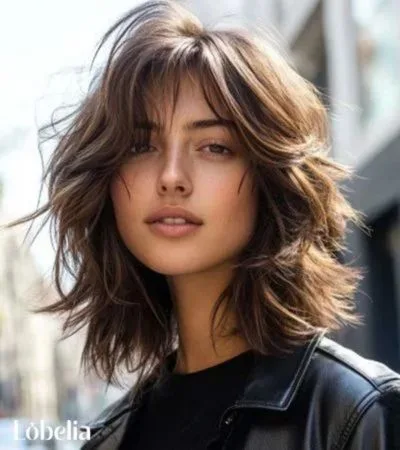
The volume-heavy crown design takes the pixie mullet in a bold new direction, creating dramatic height and movement at the crown area. You’ll want to work with your stylist to achieve maximum lift at the roots while maintaining the signature mullet shape in the back. This style requires specific cutting techniques, including point-cutting and texturizing through the crown to support the added volume.
To style your volume-heavy crown pixie mullet, you’ll need to start with a volumizing mousse at the roots while your hair is damp. Using a round brush, direct the hair upward and backward while blow-drying to create height. Once you’ve established the volume, you can use a texturizing powder or dry shampoo to maintain the lift throughout the day.
This variation works best if you have naturally thick hair or hair that holds a style well. You’ll need to schedule regular trims every 4-6 weeks to maintain the shape, especially around the crown area where the volume is most prominent. Consider using a root-lifting spray as part of your daily styling routine to help achieve consistent results.
Graduated Length Transition
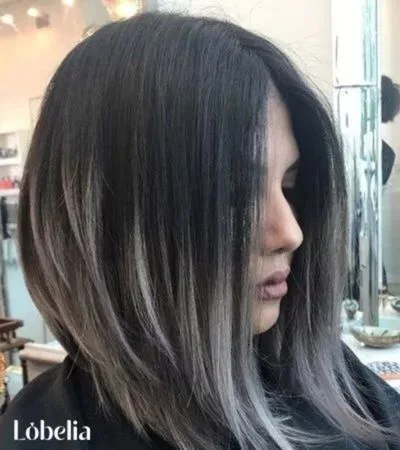
Seamless shifts between lengths define a well-executed pixie mullet, making graduated layering techniques essential for achieving this modern cut. You’ll want to focus on creating a smooth interchange from the shorter crown area to the longer pieces at the nape, which helps maintain the cut’s signature shape while avoiding any harsh lines.
Start by ensuring the layers at your crown gradually increase in length as they move toward the back of your head. Your stylist will typically use point-cutting techniques to soften the juncture points, creating a natural flow between different sections. You’ll notice the hair getting progressively longer as it moves from your ears to your neckline, with each layer carefully blended into the next.
For the most flattering result, ask your stylist to customize the graduation based on your hair’s texture and natural growth patterns. The sides should seamlessly connect to the back section, while maintaining enough length variation to create that distinctive mullet silhouette. You’ll need regular trims every 6-8 weeks to maintain these precise graduated lengths and keep your pixie mullet looking sharp.
Punk Rock Pixie Fusion
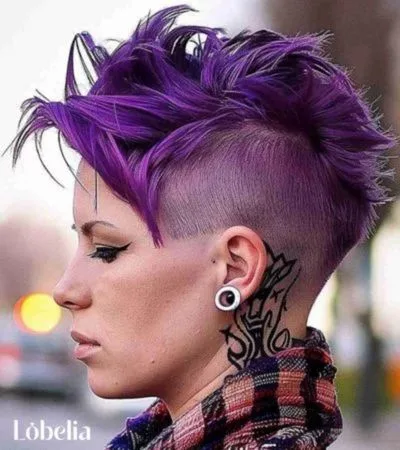
Modern punk aesthetics blend perfectly with the pixie mullet to create an edgy, rebellious take on this trendy cut. You’ll want to focus on creating sharp, dramatic contrasts between the longer and shorter sections, incorporating razor-sharp edges and bold angles throughout your style. The front and sides can be cut close to the scalp, while the back maintains that signature mullet length with choppy, textured layers.
To achieve this punk-inspired look, you’ll need to embrace asymmetrical elements and consider adding shaved patterns or undercut sections along the sides. You can enhance the punk vibe by incorporating vibrant hair colors, such as electric blue, hot pink, or striking platinum blonde. The key is to maintain the pixie’s short crown while letting the back portion fall freely in a deliberately disheveled manner.
When styling your punk rock pixie fusion, use strong-hold products to create piece-y texture and maintain the intentionally messy appearance. Work with a combination of styling paste and texturizing spray to separate strands and add definition to your layers, ensuring your cut maintains its edge throughout the day.
Conclusion
You’ll find the pixie mullet offers endless possibilities for expressing your unique style. Whether you choose a classic textured look or an edgy undercut fusion, this versatile cut can be customized to match your personality and lifestyle. With proper maintenance and the right styling products, you’ll keep your pixie mullet looking fresh and modern. Remember to consult with your stylist about face shape and hair texture to select the most flattering variation.