
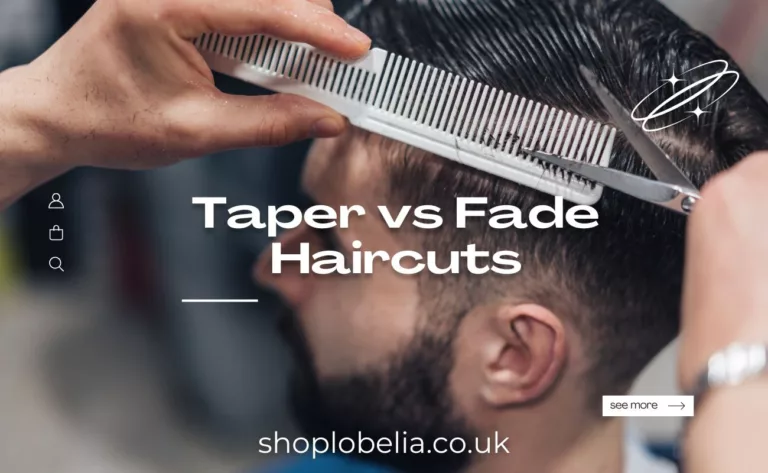
Choosing between a taper and a fade haircut can be tough. Both styles are sleek and stylish, but they have distinct differences that can impact your overall look. The problem? Many people confuse the two, ending up with a haircut that doesn’t match their style or face shape.
The good news is that once you understand the key differences in Taper vs Fade Haircuts, choosing the right cut becomes much easier. A taper offers a more gradual, natural transition, while a fade creates a sharp contrast that makes a bold statement. In this guide, we’ll break down the differences, explore the pros and cons of each style, and help you decide which one suits you best. We’ll walk you through the key differences, highlight the strengths of each style, and give you tips to figure out which cut will work best for your look.
Table of Contents
- Understanding Taper Haircut
- Understanding Fade Haircut
- Taper vs Fade: Key Differences
- How to Choose Between a Taper and a Fade
- Popular Taper and Fade Styles
- 1. Taper Comb Over
- 2. Low Taper with Textured Top
- 3. High Taper with Pompadour
- 4. Skin Taper with Crew Cut
- 5. Mid Fade with Quiff
- 6. High Fade with Buzz Cut
- 7. Drop Fade with Curly Top
- 8. Skin Fade with Textured Crop
- 9. Temple Fade with Afro
- 10. Taper with Side Part
- 11. Low Fade with Slick Back
- 12. Bald Fade with Mohawk
- 13. Shadow Fade with Waves
- 14. Burst Fade with Faux Hawk
- 15. High Taper with Slick Pompadour
- Maintenance and Styling Tips
- FAQs
- Conclusion
Understanding Taper Haircut
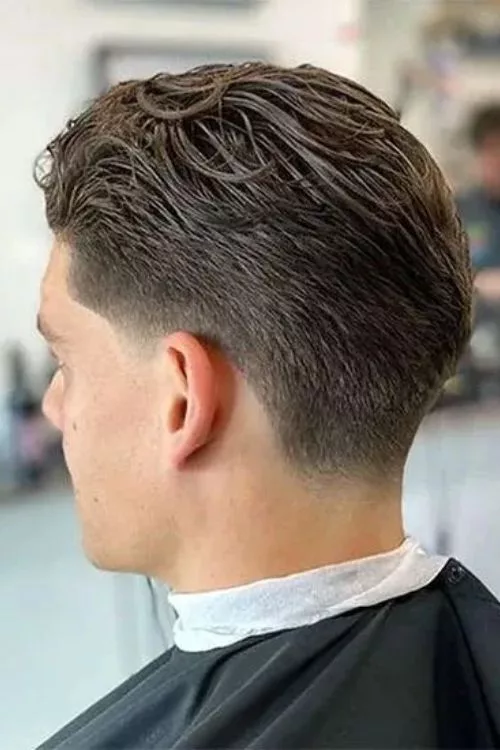
A taper haircut is a style where the hair gradually shortens from the top down to the neckline and sides. The transition is smooth and subtle, creating a natural, blended look. Unlike a fade, a taper keeps more length at the sides and back, making it less dramatic. Tapers are versatile and work well with different hair textures and styles, offering a clean yet classic appearance. They’re ideal for men who want a neat haircut without going too short.
Also read: Must-Try 35 Men’s Crew Cut Styles for a Timeless Look
Types of Taper Haircuts
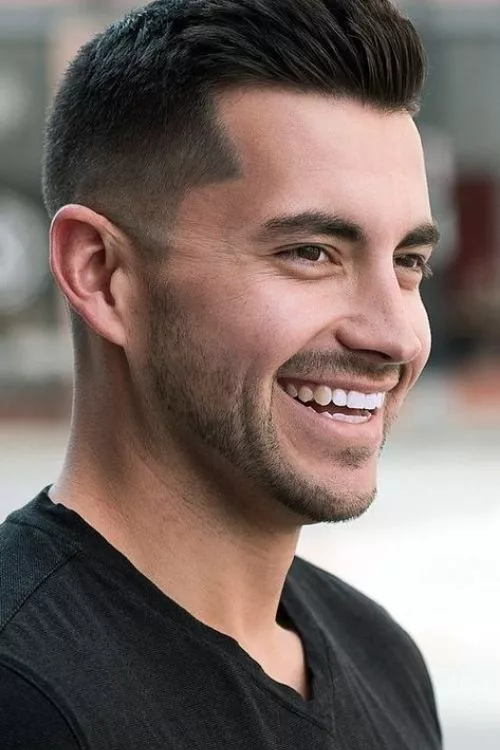
- Classic Taper – This is a traditional taper where the hair is cut shorter towards the neckline but maintains a natural transition. It works well for business or formal settings.
- Low Taper – The taper starts lower on the head, near the ear, creating a subtle and understated look. It’s perfect for a clean yet relaxed style.
- High Taper – The taper starts higher up on the head, contrasting the longer top and shorter sides more noticeable. It’s a more modern take on the taper.
- Skin Taper – This style tapers the hair down to the skin, creating a sharper finish at the neckline and sides. It gives a clean, polished look.
Understanding Fade Haircut
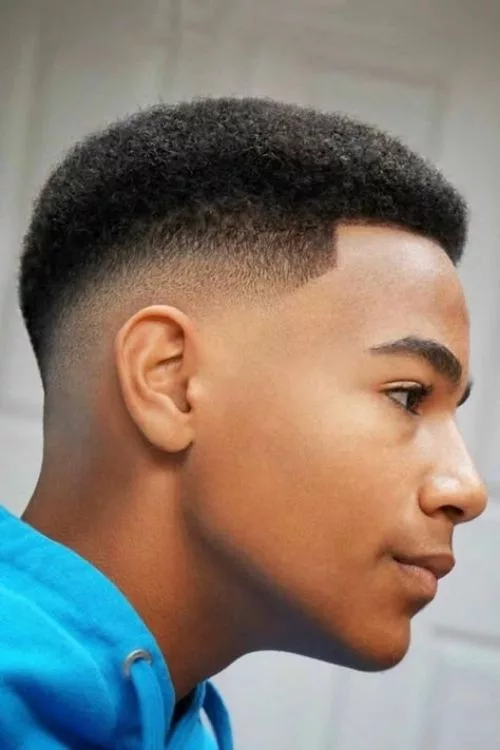
A fade haircut is a style where the hair gradually shortens from the top down to the skin, creating a sharp and clean transition. The fade creates a more noticeable contrast compared to a taper, often blending the hair down to the scalp. Fades give a sleek, modern look and can be paired with different styles on top, such as a pompadour, quiff, or textured crop. They’re a popular choice for men who want a sharp and trendy finish.
Types of Fade Haircuts
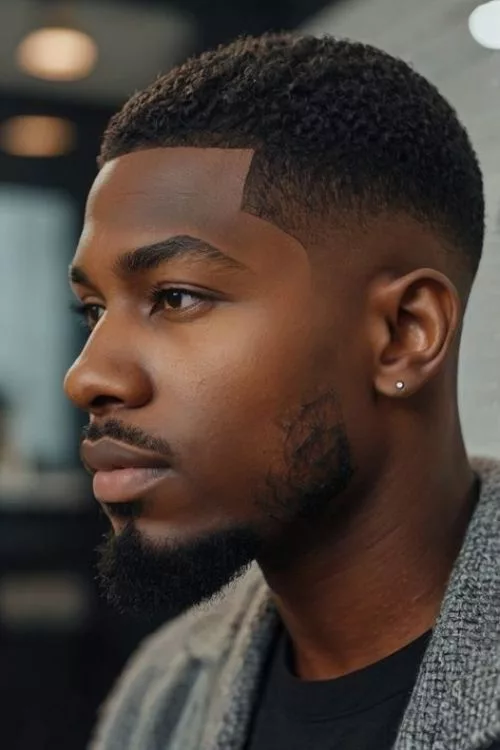
- Low Fade – The fade starts just above the ear, creating a subtle and clean look. It’s a versatile option that works well for both casual and formal settings.
- Mid Fade – This fade begins at the temple, striking a balance between a low and high fade. It adds definition while maintaining a professional look.
- High Fade – The fade starts high on the sides and back, creating a dramatic contrast between the longer hair on top and the faded sides. It’s bold and edgy.
- Skin Fade – The fade blends down to the skin, creating a seamless and ultra-clean finish. It’s a high-maintenance but stylish choice.
- Drop Fade – The fade curves behind the ear, following the natural shape of the head. It gives a stylish and unique look.
Taper vs Fade: Key Differences
Understanding the differences between a taper and a fade is key to choosing the right haircut for your style. While both styles involve shortening the hair from the top down to the sides and back, they differ in how the transition is executed and the final look they create.
Transition Style
The biggest difference lies in how the hair transitions from longer to shorter.
- A taper creates a gradual, smooth transition, keeping some length at the sides and back. The change in length is subtle and blends naturally into the neckline.
- A fade creates a more dramatic transition, often blending the hair down to the skin. The result is a sharper, more noticeable contrast between the top and the sides.
Length of Hair
- The hair is left longer on the sides and back in a taper, maintaining more overall length and fullness.
- A fade cuts the hair much shorter, sometimes down to the skin, creating a cleaner and more defined look.
Maintenance Requirements
- A taper requires less maintenance because the longer length allows it to grow out more naturally without looking messy. You can go 3–4 weeks between trims.
- A fade requires more upkeep since the shorter hair and sharper transition can quickly lose shape. Most fades need a touch-up every 2–3 weeks to keep it looking sharp.
Overall Look and Style
- A taper gives off a more classic, understated, and professional vibe. It’s suitable for business settings and works well with various hairstyles on top, from comb-overs to pompadours.
- A fade is more modern and edgy. It suits trendy styles like textured crops, mohawks, and quiffs, giving off a bold and eye-catching appearance.
Compatibility with Hair Types
- A taper works well with straight and wavy hair because the gradual transition enhances the natural texture.
- A fade works better with textured or curly hair because the sharp contrast between the top and sides adds definition and shape.
Suitability for Face Shapes
- A taper complements round and oval face shapes by adding structure without too much contrast.
- A fade is ideal for square and angular face shapes because the sharp edges and clean lines enhance the facial features.
Customization Options
- Tapers are more flexible and easier to modify. You can adjust the height of the taper or combine it with different styles, like a comb-over or pompadour.
- Fades offer more dramatic options, including high, mid, low, and skin fades. You can customize the fade height and pair it with detailed designs or patterns.
By understanding these key differences, you can decide whether a taper or a fade suits your style, face shape, and maintenance preferences.
How to Choose Between a Taper and a Fade
Choosing between a taper and a fade depends on your style, face shape, hair type, and how much maintenance you’re willing to commit to. While both cuts offer a clean and polished look, they give off different vibes and work better with different hair textures and face shapes. Here’s how to decide which one suits you best:
Consider Your Face Shape
- Round and Oval Faces: A taper works well for round and oval face shapes because the gradual transition creates a balanced and elongated look. It frames the face naturally without too much contrast.
- Square and Angular Faces: A fade is ideal for square and angular face shapes because the sharp, clean lines enhance the natural definition of the jawline and cheekbones.
Think About Your Hair Type
- Straight and Wavy Hair: Tapers are more forgiving for straight and wavy hair since the gradual blend maintains volume and texture. It allows for more versatile styling options on top.
- Curly and Textured Hair: Fades work better with curly or textured hair because the sharp contrast between the top and the sides helps define the natural curl pattern.
Decide on the Level of Maintenance
- Tapers are easier to maintain because the gradual transition grows out more naturally. You can go 3–4 weeks between trims without losing the shape.
- Fades require more upkeep since the sharp contrast at the sides and back becomes noticeable as the hair grows. You’ll need a touch-up every 2–3 weeks to keep it looking sharp.
Match the Style to Your Personality
- If you prefer a classic, low-key look, go for a taper. It’s versatile and works well in professional and casual settings.
- If you want to make a bold statement and prefer a trendy, modern style, a fade is the way to go. It’s eye-catching and pairs well with edgy styles like a textured crop or quiff.
Try a Combination for a Custom Look
You can combine the two if you can’t decide between a taper and a fade. For example, you could get a tapered fade where the sides are tapered down into a fade at the neckline. This gives you the clean, defined look of a fade while maintaining the softer transition of a taper.
Popular Taper and Fade Styles
Both taper and fade haircuts offer a wide range of styling options to suit different face shapes, hair types, and personal styles. While a taper creates a smoother transition, a fade gives a sharper, more defined finish. Here are some of the most popular taper and fade styles to consider:
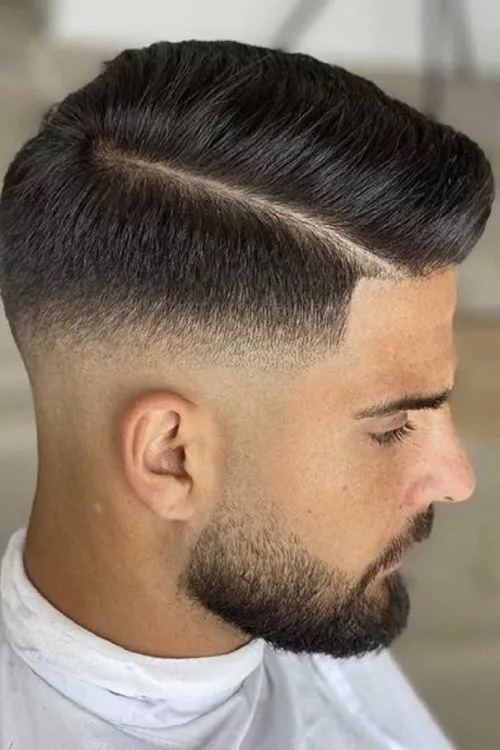
1. Taper Comb Over
The taper comb-over combines a classic taper with a sleek, side-parted top. The sides gradually shorten while the longer hair on top is combed over for a polished and refined look. It works well for formal and casual settings and pairs nicely with a low-shine pomade or gel.
2. Low Taper with Textured Top
A low taper starts just above the ears, creating a subtle transition. The longer hair on top is styled with texture and volume, giving the cut a relaxed and modern vibe. It’s ideal for men who want a natural yet structured style.
3. High Taper with Pompadour
This style features a high taper that begins near the temple, creating a more defined look. The longer hair on top is styled into a voluminous pompadour, adding height and drama. This cut blends old-school charm with a modern edge.
4. Skin Taper with Crew Cut
A skin taper blends to the skin at the sides and back, paired with a short crew cut on top. This combination creates a clean, low-maintenance look that works well for professional and athletic lifestyles.
5. Mid Fade with Quiff
A mid fade starts at the temple and blends to the skin, contrasting with the longer hair on top. The quiff adds volume and movement, cutting a trendy and stylish finish.
6. High Fade with Buzz Cut
This bold style features a high fade that starts near the crown, blending into a short buzz cut on top. It’s a clean, low-maintenance option emphasizing sharp lines and a minimalist finish.
7. Drop Fade with Curly Top
A drop fade curves around the ear and follows the head’s natural shape. When paired with longer curls or textured hair on top, it creates a dynamic contrast and highlights the hair’s natural texture.
8. Skin Fade with Textured Crop
The skin fade cuts down to the scalp at the sides and back, creating a dramatic contrast with the longer, textured top. The textured crop adds movement and volume, making this cut a bold yet versatile choice.
9. Temple Fade with Afro
A temple fade features a clean fade around the temples while maintaining the length of an afro on top. This cut creates a striking contrast and emphasizes the natural curl pattern of the hair.
10. Taper with Side Part
A classic taper with a deep side part creates a timeless, polished look. The gradual transition at the sides complements the structured part, giving the style a refined and clean finish.
11. Low Fade with Slick Back
A low fade creates a subtle transition at the sides, while the slick back on top adds a touch of vintage charm. This cut works well with medium to long hair and can be styled with a high-shine pomade.
12. Bald Fade with Mohawk
A bald fade blends down to the skin at the sides and back, leaving a strip of longer hair down the center. This cut creates a dramatic contrast and pairs well with a bold, spiked mohawk for an edgy look.
13. Shadow Fade with Waves
A shadow fade gradually blends the sides without cutting down to the skin. When paired with natural waves or curls on top, it creates a smooth yet defined appearance.
14. Burst Fade with Faux Hawk
A burst fade curves around the ear and blends into a faux hawk on top. This cut creates a bold and stylish look that works well with textured hair.
15. High Taper with Slick Pompadour
A high taper starts near the temples, creating a clean transition. The longer hair on top is styled into a sleek pompadour with a glossy finish, blending classic and modern styles.
Maintenance and Styling Tips
Keeping your taper or fade looking sharp requires regular maintenance and the right styling products. Here’s how to keep your haircut fresh and well-styled:
Regular Trims
- A taper grows out more naturally, so you can go about 3–4 weeks between trims.
- A fade requires frequent touch-ups, usually every 2–3 weeks to maintain the sharp contrast and clean lines.
Use the Right Products
- Use pomade or gel to control the hair and add shine for a sleek finish.
- Try a styling clay or matte wax for a textured or matte look.
- For curly or wavy hair, a curl cream or leave-in conditioner will help define the texture and reduce frizz.
Keep It Clean
- Wash your hair with a sulfate-free shampoo to avoid stripping natural oils.
- Use a light conditioner to keep your hair soft without weighing it down.
Maintain the Neckline and Sideburns
- Even if you’re not getting a full cut, clean up the neckline and sideburns every 1–2 weeks to keep the overall shape looking neat.
- A quick trim or line-up can refresh the look without needing a full haircut.
Style Based on Your Hair Type
- Try a comb-over or slicked-back style for a polished look for straight or wavy hair.
- For curly hair, let the natural texture show with a fade or a drop fade to highlight the curls.
- Use a blow dryer and a round brush to lift the hair at the roots for added volume.
Your taper or fade will stay sharp and stylish with the right products and regular upkeep.
FAQs
Is a taper or fade better for curly hair?
A fade generally works better for curly hair because it enhances the natural texture and creates a defined contrast between the top and sides. The sharp transition of a fade helps curls stand out more clearly.
Can you combine a taper and fade?
Yes, some styles blend both techniques for a customized look. A tapered fade starts with a gradual transition and finishes with a sharper fade at the sides and back, giving you the best of both styles.
Which haircut is more professional — taper or fade?
A taper is more suited for professional settings because it has a softer, more natural transition. Its clean and subtle finish works well in formal and business environments.
How often should I get a taper or fade?
Taper: Every 3–4 weeks to maintain a clean and polished look.
Fade: Every 2–3 weeks to keep the sharp, defined edges looking fresh.
Do tapers or fades work better with facial hair?
Fades complement shorter beards by creating a clean and balanced look. Tapers blend more naturally with fuller beards, creating a cohesive, structured appearance.
Conclusion
Both taper and fade haircuts offer stylish and versatile options for men, but the right choice depends on your style, hair type, and maintenance preferences. A taper gives a classic, gradual transition that works well in casual and professional settings, while a fade creates a sharper, more modern contrast that suits trendier looks. Understanding the differences and exploring the various styles within each category can help you find the perfect haircut. Whether you prefer a subtle taper or a bold fade, working with a skilled barber will ensure you get a clean, tailored look that enhances your overall style.