
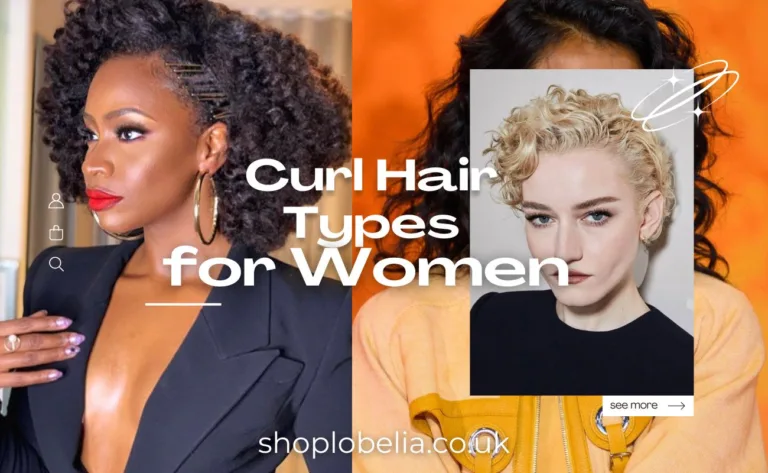
For many, the journey to embracing curly hair is one full of questions, experimentation, and sometimes frustration. You might have spent years trying to tame your curls with heat or chemicals, only to realise the secret lies in understanding what makes your curls unique. Knowing your curl type is the first step toward unlocking the full potential of your natural hair. It’s about more than just aesthetics; it’s a way to nurture your hair’s health and boost your confidence. From the bouncy waves that catch the summer breeze to tight coils that spring with life, every curl pattern tells a story—and knowing yours can transform your hair routine.
The beauty of curly hair spans cultures and continents. Historically, curls have been a symbol of identity, pride, and self-expression. Yet, for decades, the mainstream haircare industry largely catered to straighter textures, leaving those with curls searching for guidance. Today, thanks to growing awareness and expert insights, there’s a wealth of knowledge to help curl hair types lovers care for their unique textures properly. This guide aims to simplify the complex world of curls. It will help you identify your curl type, understand your hair’s needs, and embrace your natural texture with pride.
Table of Contents
- What Are the Main Curly Hair Types?
- How to Identify Your Curl Type
- Detailed Breakdown of Curl Types and Subcategories
- Hair Porosity and Its Impact on Curl Care
- How Often Should You Wash Your Curly Hair?
- Can You Have Multiple Curl Types?
- Benefits of Knowing Your Curl Type
- Expert Tips from Hairstylists and Curl Specialists
- Frequently Asked Questions About Curly Hair Types
- How can I tell if I have curly or coily hair?
- Can my curl type change over time?
- What is the best product for 3B curls?
- How do I prevent frizz in wavy hair?
- Is it normal to have multiple curl types on one head?
- Can I wash my curly hair every day?
- What causes shrinkage in coily hair?
- Are heat tools bad for curly hair?
- How often should I trim my curls?
- How do I style my curls for maximum definition?
- What products should I avoid?
- What is the best way to protect my curls while sleeping?
- Conclusion
What Are the Main Curly Hair Types?
When it comes to categorising curly hair, the most widely recognised system was developed by hairstylist Andre Walker, who is famously Oprah Winfrey’s personal stylist. His system divides hair into four main types based on curl pattern, ranging from straight to coily. While it’s a simple concept, it has grown to become a global reference point for curl care.
Type 1 is straight hair, which has no natural curl or wave. Type 2 hair is wavy, characterised by soft “S” shaped patterns. Type 3 hair is curly, featuring distinct, springy curls that can range from loose loops to tight spirals. Type 4 hair is coily or kinky, with very tight, zig-zag curls that often shrink significantly when dry.
Each of these main categories is further divided into subtypes A, B, and C. These letters describe how tight or loose the curls or waves are. For example, 2A hair has loose waves, while 2C has tighter, more defined waves that are prone to frizz. This system provides a useful shorthand for understanding your curls and matching them with the right care.
Although some have criticised the system for being too simplistic or not capturing all hair diversity, it remains a helpful starting point. Curl enthusiasts and professionals have adapted and expanded it to better represent the vast range of textures and curl patterns around the world. Understanding these types gives you a foundation to build a personalised hair routine that respects your hair’s unique characteristics.
How to Identify Your Curl Type
Identifying your curl type might seem a bit confusing at first, but it’s actually quite straightforward once you know what to look for. The best way to start is with a simple test: take a few strands of your hair when it’s wet and lay them flat on a smooth surface. Observe the shape your hair forms as it dries naturally, without any products or manipulation. This will reveal your natural curl pattern most accurately.
If your hair forms gentle, loose “S” shaped waves, you’re likely to have wavy hair, or Type 2. These waves tend to lie flatter on the scalp and can vary in thickness and texture. If your strands curl tighter into corkscrew shapes, you probably fall into the curly hair category, Type 3. These curls spring back easily and have a distinct roundness. Lastly, if your hair forms very tight coils or zig-zag patterns that may look almost like tiny “Z” shapes, you have coily hair, or Type 4. These curls are dense, often fragile, and prone to shrinkage.
Keep in mind that many people don’t have just one curl type across their entire head. It’s common to see a mixture—for example, looser waves underneath with tighter curls on top. Identifying your dominant curl type can help tailor your haircare routine, but embracing all your curl patterns will give you the most balanced results. Patience and careful observation are key—try this test a few times, and consider taking photos in natural light to track your curls’ true form.
Common Mistakes in Curl Typing
Many people rush to label their curl type based on how their hair looks when dry or styled. This often leads to confusion because hair can look very different when wet, stretched, or product-free. For example, using heat or heavy styling products can loosen curls temporarily, masking the natural pattern. Similarly, brushing curly or wavy hair when dry tends to disrupt the curl shape, leading to frizz or stretched strands that don’t reflect your actual type.
Another mistake is assuming your curl type is fixed for life. Hair texture can change over time due to hormones, health, environmental factors, or chemical treatments. For this reason, it’s a good idea to revisit your curl typing every so often and adjust your routine accordingly.
Detailed Breakdown of Curl Types and Subcategories
Understanding the nuances of each curl type can be a game-changer for your hair care routine. Let’s learn about the specifics of Types 2, 3, and 4, exploring their subcategories, characteristics, challenges, and best care tips.
Type 2 – Wavy Hair
Wavy hair forms a natural “S” shape and is the bridge between straight and curly hair. It tends to lie closer to the scalp and has less volume compared to curlier types. Wavy hair is versatile and can appear fine and soft or thick and coarse, varying widely in texture.
2A Type:
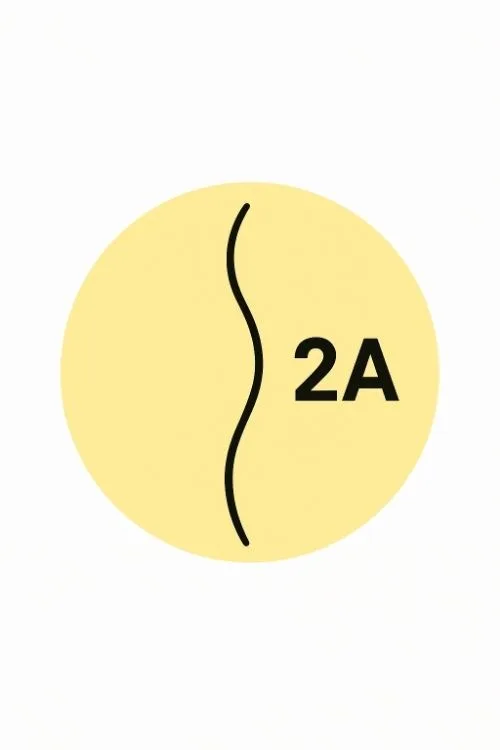
2A hair has loose, barely-there waves that often look almost straight at the roots but show gentle waves through the lengths.

his hair type is usually fine and tends to get weighed down easily by heavy products. Lightweight mousses or sea salt sprays work well to enhance waves without flattening them.
2B Type:
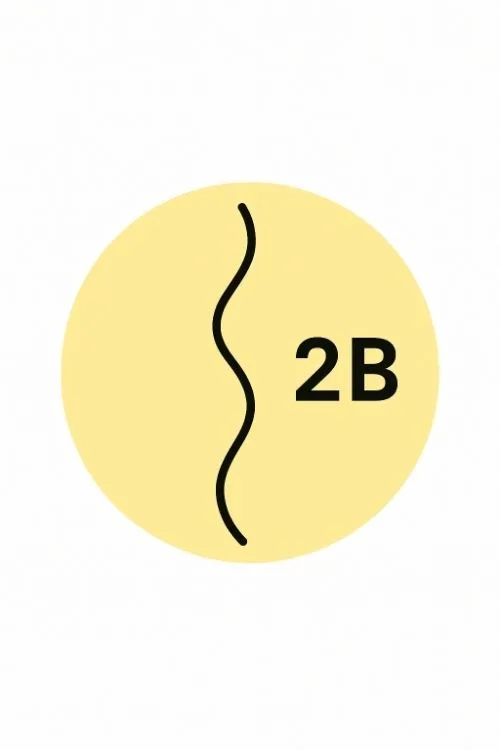
2B waves are more defined with an S pattern starting around the mid-lengths.
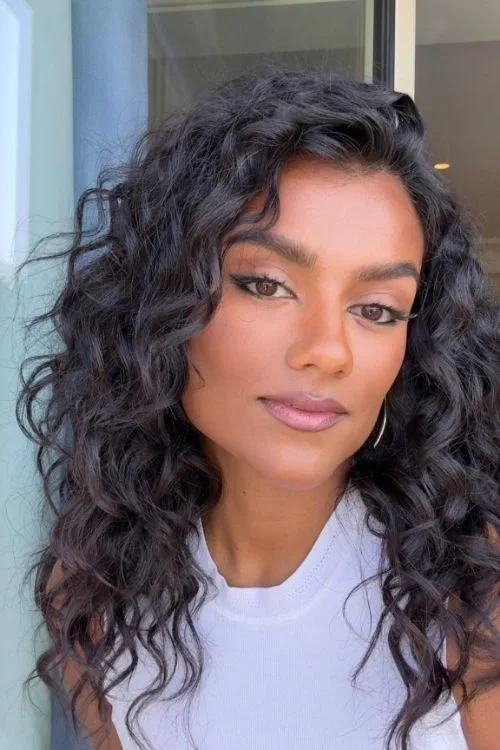
This type tends to be thicker than 2A and can be more prone to frizz, especially in humid conditions. Texturising sprays and light curl creams can help maintain definition and bounce.
2C Type:
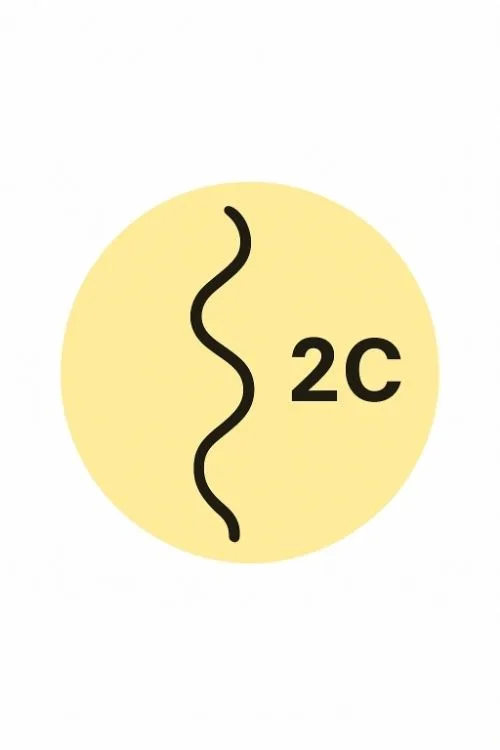
2C waves are the thickest and most textured of the wavy family. Strands can have loose corkscrew curls when styled and are more vulnerable to frizz and dryness.
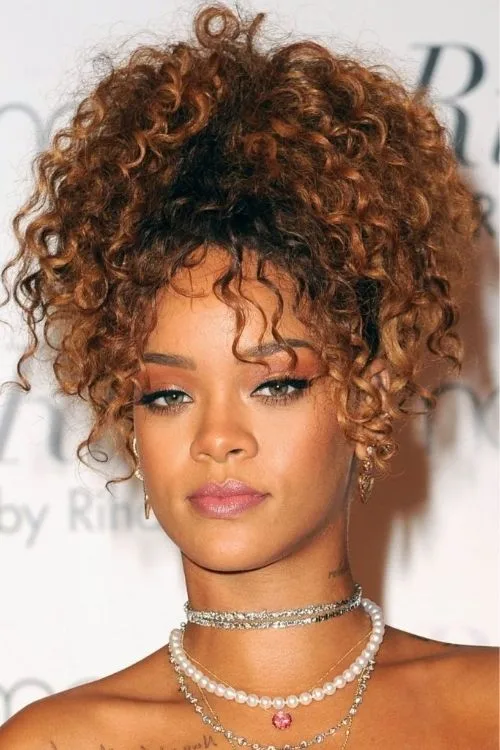
Using moisturizing shampoos and conditioners, combined with anti-frizz serums, helps keep 2C waves healthy and defined.
Care Tips for Wavy Hair: Wavy hair can struggle with limpness or oiliness at the scalp, so clarifying shampoos used sparingly can refresh without over-drying. Avoid over-brushing; instead, detangle with fingers or a wide-tooth comb on damp hair. Air-drying or diffusing on low heat helps maintain wave shape.
Type 3 – Curly Hair
Type 3 curls are true curls that spring and bounce with personality. These curls form tight loops or corkscrew shapes that vary in size and density. They are prone to dryness because the natural oils from the scalp have difficulty travelling down the twists.
3A Type:
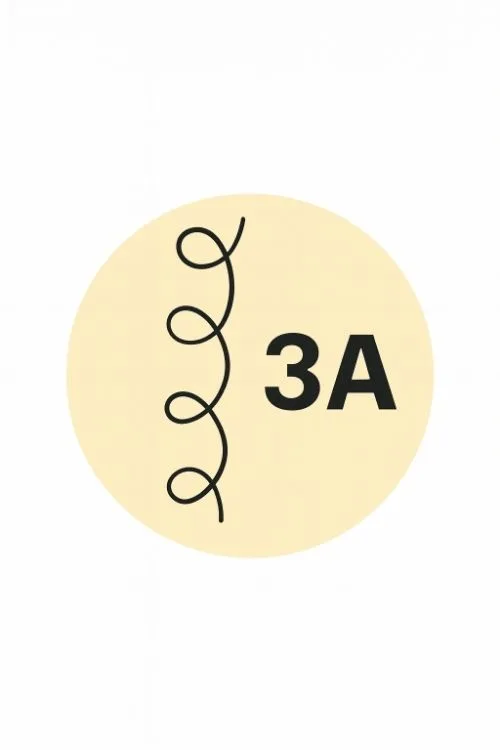
3A curls are large, loose spirals with a diameter about the size of a sidewalk chalk. They have a silky texture and can shine beautifully with proper hydration.
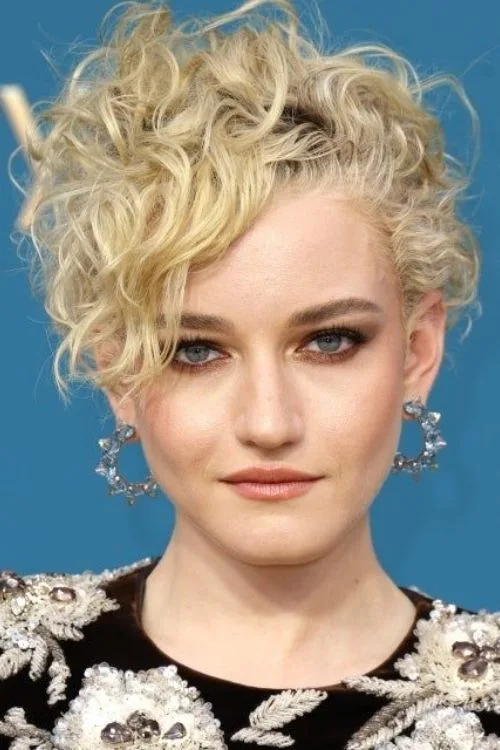
Curl creams and light gels are perfect for defining 3A curls without weighing them down.
3B Type:

3B curls are tighter, resembling ringlets with the thickness similar to a Sharpie marker. This hair tends to be drier and more prone to frizz.
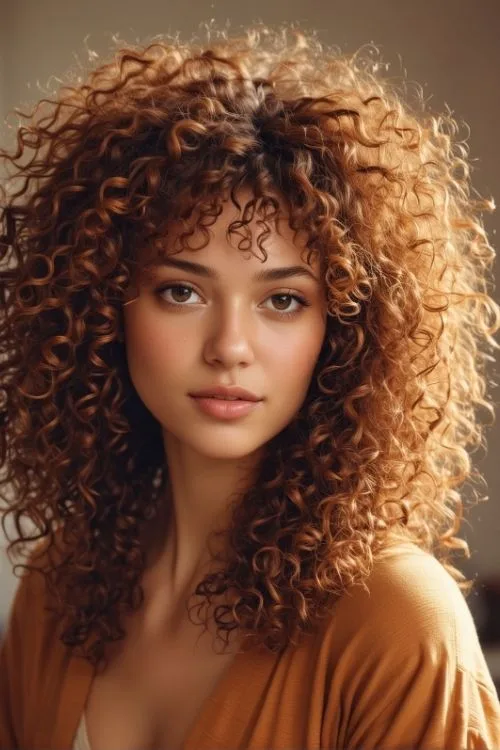
Hydrating gels with ingredients like aloe vera and glycerin help lock in moisture and define curls without crunchiness.
3C Type:
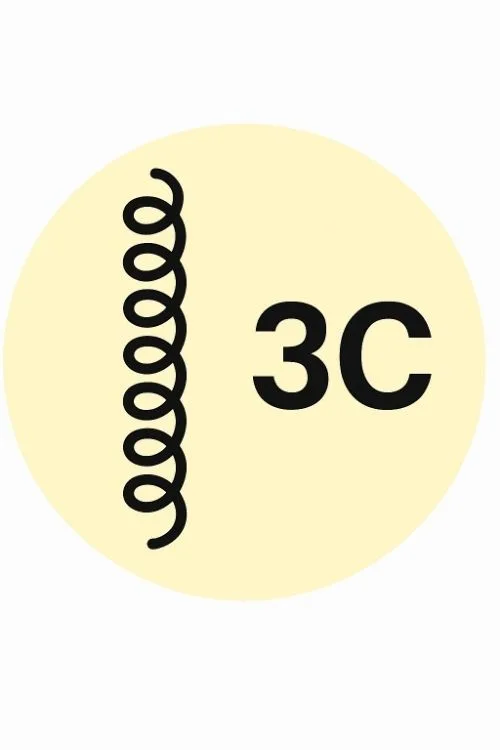
3C curls are tight corkscrews or coils with a straw or pencil thickness. This subtype often has a lot of volume and can be quite dense.
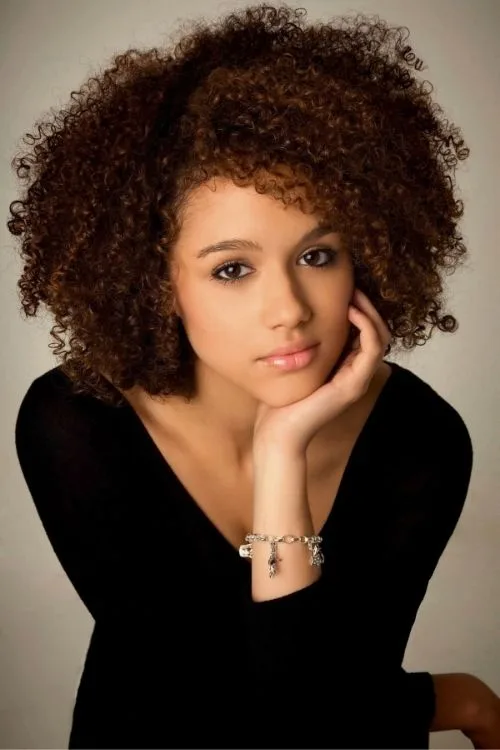
It’s common for 3C hair to be fluffy or frizzy if not moisturised correctly. Layering leave-in conditioners with curl defining mousses works well for these curls.
Care Tips for Curly Hair: Hydration is king for Type 3 curls. Avoid shampoos with sulfates, which strip moisture. Co-washing or cleansing conditioners are excellent to maintain softness. Apply styling products to soaking wet hair to seal moisture, and protect curls overnight with silk or satin scarves or pillowcases to reduce friction.
Type 4 – Coily Hair
Type 4 hair, often called kinky or afro-textured hair, has very tight curls or zig-zag patterns that may shrink up to 75% of their actual length. This hair type is the most fragile and prone to dryness because the oils have the hardest time travelling through the tight coils.
4A Type:
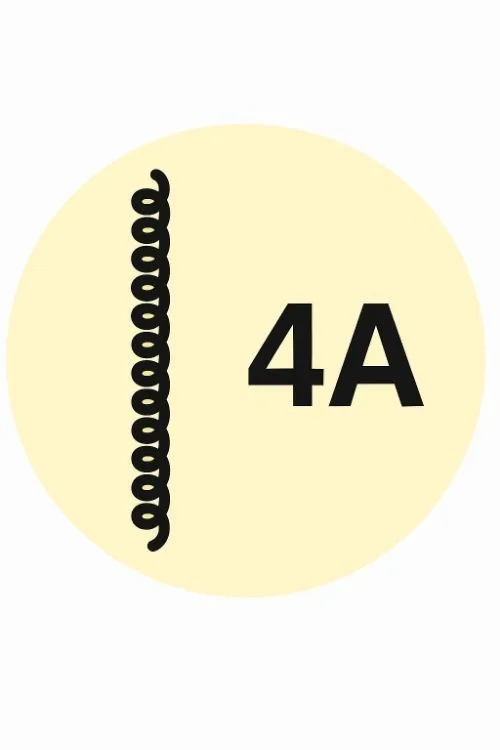
4A curls are dense with tight “S” shaped coils, roughly the diameter of a crochet needle.
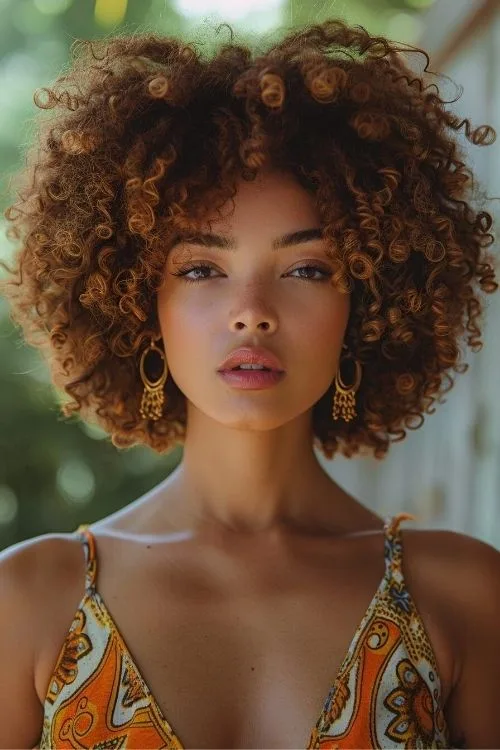
These curls retain moisture better than other Type 4 patterns but still require intensive hydration. Protective styles like wash-and-gos help keep 4A hair soft and manageable.
4B Type:

4B hair forms sharp “Z” shaped coils that are densely packed. The curl pattern can be difficult to distinguish near the roots but becomes more visible toward the ends.
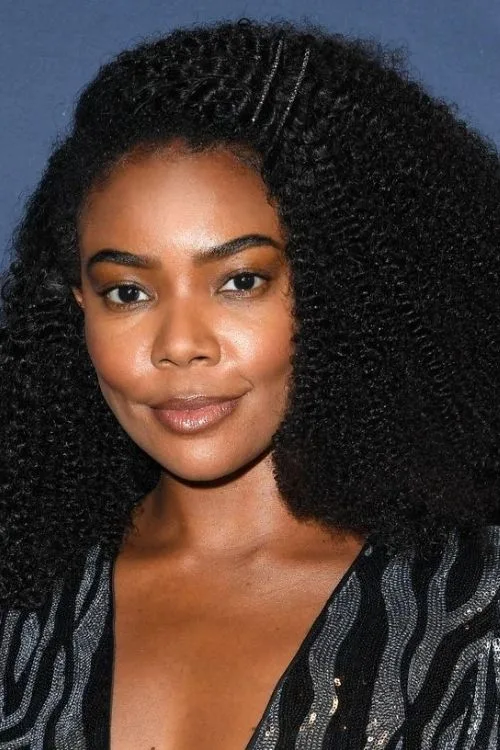
Styling creams that provide strong hold and moisturisation are essential to stretch and define these curls.
4C Type:
4C hair is similar to 4B but with an even tighter zig-zag pattern. It is very delicate, experiences significant shrinkage, and requires careful handling.
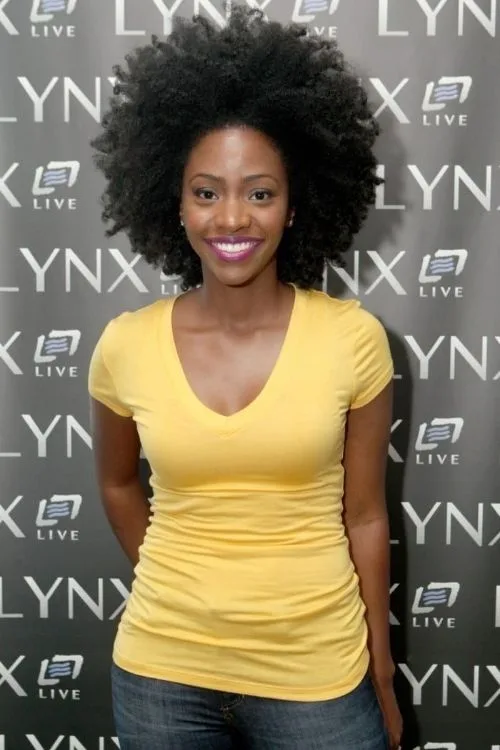
Deep conditioning treatments and oils like castor or jojoba oil help maintain softness and prevent breakage. Low-manipulation hairstyles and protective styling are highly recommended.
Care Tips for Coily Hair: Moisture retention is crucial. Use rich conditioners, leave-in treatments, and sealants to lock hydration in. Limit heat styling and chemical treatments, which can damage fragile strands. Regularly trim ends and sleep on silk or satin to reduce breakage and retain curl integrity.
Tips for Photographing Your Curls
If you’re unsure about your curl type, taking photos can be very helpful. Use natural daylight for the most accurate colour and texture representation. Photograph your hair when it’s freshly washed and air-dried without styling products. Try different angles—top, sides, and back—to capture the full range of your curl patterns. Comparing photos over time can reveal patterns you might not notice in the mirror. You can also share these photos with curl care communities or hairstylists for a second opinion.
The Science Behind Curl Shapes
Your curl pattern is determined by the shape of your hair follicles and the structure of your hair strands. Straight hair grows from round follicles, which produce strands that lie flat. Oval or elliptical follicles create curls or waves. The flatter or more oval the follicle, the curlier the hair tends to be. Additionally, the way keratin proteins form within the strand affects curl tightness and elasticity.
The science explains why some curls spring back tightly after being stretched while others relax more. Understanding this biology helps explain why curls can behave so differently even within the same general curl category. It also shows why certain products and techniques work better for some curl types than others.
Hair Porosity and Its Impact on Curl Care
Beyond curl shape, hair porosity plays a crucial role in how well your curls absorb and retain moisture. Porosity refers to the condition of your hair cuticle, which is the outer layer protecting the inner structure of the hair strand. The cuticle’s openness affects how water and products penetrate your hair, which in turn impacts curl definition, hydration, and manageability.
Hair porosity is generally divided into three categories: low, medium (normal), and high. Low porosity hair has tightly closed cuticles that resist moisture absorption. This means products tend to sit on the hair surface rather than soaking in. Low porosity curls often feel healthy and shiny but can be prone to product buildup if heavy products are used. The key here is to use lightweight, water-based products and occasionally apply gentle heat (like warm towels or steam) to help open the cuticle and allow moisture in.
Medium porosity hair has a slightly raised cuticle layer that allows moisture to enter and stay balanced. This porosity is considered ideal because the hair easily absorbs hydration but does not lose it quickly. Most curl types fall into this category naturally. With medium porosity, you have more flexibility in product choices, but it’s still important to maintain a good balance of moisture and protein to keep your curls strong and elastic.
High porosity hair has a cuticle layer that is raised or damaged, often due to chemical treatments, heat damage, or environmental exposure. This makes moisture enter quickly but also escape easily, leading to dryness, frizz, and breakage. High porosity curls benefit from heavier creams, oils, and protein-rich treatments that help fill gaps in the cuticle and seal in moisture. Deep conditioning and regular protein treatments are essential to restore health and shine.
You can test your hair porosity at home with a simple “float test.” Take a clean strand of hair and place it in a glass of water. If it sinks quickly, your hair is likely high porosity. If it floats for a while before sinking, it’s medium porosity. If it stays mostly on the surface, it’s low porosity. While not 100% scientific, this test gives a good starting point for understanding your hair’s moisture needs.
Knowing your curl type combined with your hair porosity helps you create a tailored haircare routine. For example, a 3C curl with high porosity will need heavier moisturisers and protein treatments compared to a low porosity 3C curl, which might thrive with lighter hydration. Listening to your hair’s response to products and adjusting accordingly is the best way to keep your curls healthy and defined.
How Often Should You Wash Your Curly Hair?
Washing curly hair isn’t a one-size-fits-all situation. Your curl type and hair porosity influence how often your hair needs cleansing to stay healthy, moisturised, and looking its best. The key is to balance cleanliness with maintaining your hair’s natural oils, which protect and nourish your curls.
Wavy Hair (Type 2) tends to get oily faster because the looser waves allow natural scalp oils to travel more easily down the hair shaft. For this reason, washing every two to three days usually works well. Washing too often can strip moisture, but waiting too long can cause buildup that weighs waves down. Using a gentle, sulfate-free shampoo helps keep your scalp clean without drying your hair out.
Curly Hair (Type 3) is drier by nature, as the twists and turns slow down the movement of oils. Washing two to three times a week is generally enough. Overwashing curly hair can lead to dryness and frizz. Many with curls benefit from co-washing—using conditioner to cleanse between shampoo days—helping maintain hydration while keeping hair fresh.
Coily Hair (Type 4) is the driest and most fragile curl type, so washing once or twice a week is ideal. Frequent washing can strip away much-needed oils, leading to breakage and frizz. Using rich cleansing conditioners or sulfate-free shampoos with moisturizing properties keeps coily curls clean without sacrificing moisture. Protective styles can also help reduce the need for frequent washing.
Seasonal changes can affect your washing routine as well. In colder months, you might wash less frequently to preserve moisture, while in humid summers, occasional more frequent cleansing might help control buildup. Listening to your scalp’s signals—like itching, flaking, or greasiness—can guide your washing schedule.
Remember, the products you use matter just as much as how often you wash. Choose shampoos and conditioners formulated for your curl type and porosity to ensure your hair stays balanced, healthy, and beautifully defined.
Can You Have Multiple Curl Types?
It’s perfectly normal—and actually very common—to have more than one curl type on your head. Many people notice that their curls vary in pattern, texture, and volume depending on the area of their scalp. For example, the hair at the crown might have tighter curls, while the strands near the nape of the neck are looser or wavier. This mixture can make identifying your curl type a bit tricky but also offers a unique opportunity to tailor your care routine more precisely.
Genetics play a major role in this phenomenon. Your hair inherits traits from both parents, and sometimes different follicles on your head produce different curl patterns. Environmental factors and hair damage can also influence curl texture over time, creating even more variation. Instead of trying to pick a single curl type, it’s better to embrace this diversity and care for all the textures present.
When managing multiple curl types, it’s important to customise your products and styling methods. You might find that heavier creams work well on tighter curls but weigh down looser waves. Similarly, the way you detangle and style your hair might vary from section to section. Many find success with a layered routine—applying different products to different areas, or focusing on the dominant curl type while still nourishing the rest.
Listening to your hair’s needs is essential. Observe how each texture reacts to moisture, styling, and drying methods. You might choose to refresh certain curls daily while washing others less frequently. Understanding your hair’s varied curl patterns gives you the freedom to celebrate your unique texture instead of trying to fit it into a single category.
Benefits of Knowing Your Curl Type
Knowing your curl type is much more than just ticking a box—it’s a key that unlocks better hair health and styling success. When you understand your curls’ natural pattern, you can choose products and routines that work with your hair, not against it. This means less frustration, fewer bad hair days, and more confidence rocking your natural look.
One of the biggest benefits is saving time and money. Instead of guessing which shampoos, conditioners, or styling products might work, you can narrow down your choices based on your curl type’s needs. For example, if you know you have tight coils that need intense moisture, you won’t waste money on lightweight products designed for waves. This knowledge helps you invest in what truly benefits your hair.
Knowing your curl type also improves how you apply products and style your hair. Different curls respond better to different techniques. Some curls flourish with finger-coiling or scrunching, while others do better with gentle detangling or protective styles. Understanding your curls’ behaviour helps you protect them from damage, reduce frizz, and enhance definition.
Additionally, awareness of your curl type can boost your hair confidence. When you know what your hair thrives on, you’re more likely to embrace your natural texture rather than feeling pressured to straighten or alter it. This self-love can transform your relationship with your hair and inspire others to appreciate their own curls.
Finally, knowing your curl type supports healthier hair over time. Tailored care means fewer split ends, less breakage, and a stronger, shinier mane. It helps you anticipate and manage seasonal or environmental changes, keeping your curls resilient no matter what. Overall, it’s about celebrating and caring for your curls in the way they deserve.
Expert Tips from Hairstylists and Curl Specialists
Curl care has come a long way, thanks in large part to the expertise of stylists and curl specialists who understand the unique needs of textured hair. Here are some of their top tips that can help you embrace and nurture your curls.
Hydration is Key
Many curl experts agree that moisture is the foundation of healthy curls. Hairstylists like Latoya Moore and Anthony Dickey emphasise using products rich in humectants such as glycerin and aloe vera. These ingredients attract and lock in water, keeping curls hydrated and reducing frizz. Regular deep conditioning treatments are also recommended to maintain softness and elasticity.
Apply Products on Wet Hair
A common tip from curl specialists is to apply styling products to soaking wet hair. Kiana Rae, a well-known curl expert, explains that wet hair allows curls to clump and set more naturally, avoiding the crunchiness that can happen when products are applied on damp or dry hair. This method also helps preserve curl shape and reduces frizz.
Protect Your Hair at Night
Sleeping with a silk or satin scarf or on a satin pillowcase is a game-changer for curls. This reduces friction, which can cause breakage and frizz overnight. Cheryl Bergamy, a stylist based in New York, stresses this simple habit as essential for maintaining curl integrity.
Avoid Over-Manipulation
Curl specialists caution against excessive brushing, combing, or heat styling, which can weaken curls and cause breakage. Protective styles like braids, twists, or buns not only look great but also minimise manipulation and help hair retain moisture.
Know Your Products
Choosing products tailored to your curl type and porosity is crucial. Cosmetic chemist Charlene Valledor advises paying close attention to ingredients and avoiding heavy silicones or drying alcohols. Lightweight gels and creams that provide hold without residue are often best.
Regular Trims Matter
Keeping curls healthy also means trimming split ends regularly. Stylists recommend visiting a curl-savvy salon every three to four months to maintain shape and prevent damage.
Following these expert tips will give your curls the best chance to look vibrant, defined, and healthy. With the right knowledge and care, every curl can be a crown to wear proudly.
Frequently Asked Questions About Curly Hair Types
How can I tell if I have curly or coily hair?
Curly hair, classified as Type 3, typically forms well-defined, springy corkscrew shapes that have a natural bounce and shine. These curls tend to have a looser pattern compared to coily hair and often feel soft and flexible to the touch. On the other hand, coily hair, known as Type 4, features much tighter curls or zig-zag patterns that appear denser and more compact. Coily hair usually experiences significant shrinkage—sometimes up to 75% of its actual length—when dry, making it look much shorter. The best way to distinguish between these types is by observing your hair when it’s wet and free of any styling products, as this shows your natural curl pattern more clearly.
Can my curl type change over time?
Yes, your curl type can definitely change throughout your life due to various factors. Hormonal shifts, such as those experienced during pregnancy, menopause, or puberty, can alter the texture and pattern of your curls. Additionally, health changes, medications, or stress can impact hair structure. Environmental factors like humidity and sun exposure also play a role. Furthermore, frequent heat styling, chemical treatments, or hair damage can temporarily or even permanently loosen or tighten your curls. Because of these factors, it’s normal for your curl pattern to evolve, so it’s helpful to reassess your hair type periodically and adjust your care routine accordingly.
What is the best product for 3B curls?
For 3B curls, which are characterized by tight, springy ringlets, hydration and definition are essential. Hydrating gels that contain humectants such as glycerin and aloe vera are excellent choices because they attract and lock in moisture while providing hold without stiffness or crunchiness. These gels help define curls and reduce frizz while keeping hair soft and touchable. Layering a lightweight curl cream underneath the gel on soaking wet hair can boost moisture and enhance curl clumping. Applying products on wet hair ensures better absorption and helps curls maintain their shape and bounce throughout the day.
How do I prevent frizz in wavy hair?
Preventing frizz in wavy hair starts with using gentle, moisturizing shampoos and conditioners specifically formulated for wavy or textured hair. These products help maintain the natural moisture balance without weighing your waves down. Avoid brushing your hair when it’s dry, as this can disrupt the wave pattern and create frizz. Instead, try scrunching curl-enhancing creams or mousses into damp hair to encourage defined waves. Additionally, sleeping on silk or satin pillowcases reduces friction that causes frizz overnight. Managing humidity by using anti-frizz serums or sprays can also help keep your waves smooth and controlled throughout the day.
Is it normal to have multiple curl types on one head?
Absolutely. It’s very common for people to have a mixture of curl patterns across different parts of their head. For example, you might notice looser waves near the nape and tighter curls at the crown or around the face. Genetics, hair growth cycles, and environmental exposure all contribute to this variation. Embracing your hair’s natural diversity means adjusting your care routine to nourish each texture appropriately. Using different products or styling techniques on various sections can help keep all your curls healthy, hydrated, and well-defined. Accepting and working with this natural blend leads to a more balanced and beautiful look.
Can I wash my curly hair every day?
Daily washing is generally not recommended for curly hair types because frequent shampooing can strip away natural oils that are essential for keeping curls hydrated and healthy. Most curly hair benefits from washing about two to three times per week. Between washes, many curl enthusiasts use co-washing—a method of cleansing the hair with conditioner instead of shampoo—to refresh curls without drying them out. Additionally, curl refresher sprays and light moisturizing products can be used to revive your curls between wash days. This approach helps maintain moisture, reduce frizz, and preserve the natural curl pattern.
What causes shrinkage in coily hair?
Shrinkage is a natural phenomenon in coily hair types caused by the tight curls contracting as they dry. This contraction makes your hair appear much shorter than it actually is, sometimes by as much as 75%. While shrinkage can be surprising, it is actually a good sign of healthy elasticity and curl integrity. It shows that your hair is springy and resilient. However, if you prefer to minimise shrinkage for styling purposes, there are several techniques you can try. Stretching methods like twist-outs, braid-outs, or banding can elongate the curls without heat. Protective styles such as braids, bantu knots, or updos also help reduce shrinkage by keeping the hair stretched and protected from environmental stressors.
Are heat tools bad for curly hair?
Heat tools like flat irons, curling wands, and blow dryers can cause damage to curly hair if used excessively or without proper precautions. Curly hair tends to be drier and more fragile, so excessive heat can dry out the hair shaft, weaken the protein structure, and lead to breakage and frizz. To protect your curls, it’s best to use heat tools sparingly and always apply a good-quality heat protectant beforehand. Choosing lower heat settings and limiting the frequency of heat styling can help preserve your hair’s moisture and strength. Embracing heat-free styling methods or diffusing on low heat are healthier alternatives to maintain curl integrity.
How often should I trim my curls?
Regular trims are essential for maintaining the health and shape of curly hair. Getting your curls trimmed every three to four months helps prevent split ends and breakage, which can travel up the hair shaft and cause more damage if left untreated. It also helps to preserve your curl pattern and encourages healthy growth. When seeking a trim, it’s important to find a stylist experienced with textured hair who understands how to cut curls in a way that enhances their natural bounce and volume. The right cut can make a big difference in how your curls look and feel.
How do I style my curls for maximum definition?
Styling your curls for maximum definition starts with applying products while your hair is soaking wet. This helps lock in essential moisture and encourages your curls to clump together naturally, creating well-formed, bouncy ringlets or waves. Popular techniques to enhance curl shape include scrunching your hair upward with your hands, which promotes curl formation and reduces frizz. Finger-coiling, where you wrap small sections of hair around your fingers, can define curls individually for a more polished look. Diffusing with a blow dryer on a low heat and speed setting gently dries curls while maintaining their shape and volume. Since every head of curls is unique, it’s important to experiment with different products and styling methods to find the routine that works best for your hair’s texture and desired look.
What products should I avoid?
To keep your curls healthy and vibrant, it’s best to avoid certain ingredients that can cause dryness, damage, or product buildup. Harsh sulfates found in some shampoos strip away natural oils, leaving curls dry and brittle. Alcohol-heavy styling products can also dry out your hair, causing frizz and breakage, especially if the alcohols are not fatty alcohols (like cetyl or stearyl alcohol), which are actually moisturizing. Additionally, some silicones, particularly those that are non-water-soluble, can build up on the hair over time, making curls look dull and weighed down. Instead, opt for gentle, hydrating formulas free from these harsh ingredients. Look for products rich in natural oils, humectants, and proteins that nourish your curls while keeping them light and bouncy.
What is the best way to protect my curls while sleeping?
Protecting your curls overnight is essential to maintain their shape, reduce frizz, and prevent breakage. The best way to do this is by sleeping on a silk or satin pillowcase, which creates less friction compared to cotton, helping to keep curls smooth and hydrated. You can also wrap your hair in a silk or satin scarf or bonnet to keep curls intact and minimize moisture loss. Another popular method is the “pineapple” technique—gathering your hair loosely on top of your head with a soft scrunchie—to preserve curl definition while you sleep. These simple steps can make a big difference in keeping your curls healthy and fresh-looking every morning.
Conclusion
Embracing your natural curls begins with understanding them. Knowing your curl type is not just about labels—it’s about discovering what makes your hair unique and learning how to care for it properly. From gentle waves to tight coils, each curl pattern has its own beauty and needs. With this knowledge, you can choose the right products, adopt effective styling methods, and protect your curls from damage.
Curl care is a journey that involves patience, experimentation, and self-love. Your hair might surprise you with changes over time, and that’s perfectly normal. Adjusting your routine as your curls evolve ensures they stay healthy and vibrant. Remember, the best routine is one that respects your hair’s individuality and fits your lifestyle.
Above all, embrace your curls with pride. Your natural texture is a part of who you are, and it deserves to shine. With the right care, your curls can be a source of confidence, joy, and self-expression every day.