

Peekaboo hair color—hidden hues that peek through layered strands—offers a transformative way to experiment with bold shades without commitment. Whether you’re drawn to vibrant jewel tones or soft pastels, this technique lets you control when your color shows. The trend continues gaining momentum because it works for nearly every hair type and lifestyle. But before you grab the dye, understanding proper placement and maintenance proves essential to achieving results that look intentional, not accidental.
Table of Contents
- What Is Peekaboo Hair Color and Why It’s Trending
- Is Your Hair Ready for Peekaboo Color?
- Gather Your Supplies: A DIY Peekaboo Toolkit
- Where to Hide Your Bold Colors: Underlayer Placement Secrets
- The Foil Method for Precise, Professional Results
- Clip-In Colored Hair Extensions as a Commitment-Free Option
- Hand-Painting for Natural, Blended Color
- Dark Hair Without Bleach: How to Add Peekaboo Color
- Pastel vs. Neon: Color Choices for Peekaboo Hair
- Reverse Peekaboo: Bold Color on Top, Neutral Underneath
- Test First: Temporary Dyes and Chalks
- Keep It Fresh: Maintaining Your Hidden Color
- How to Reveal Your Hidden Color Through Styling
- Should You Go Professional? A DIY vs. Salon Comparison
- Peekaboo Hair Color FAQs and Troubleshooting
- Frequently Asked Questions
- How Long Does Peekaboo Hair Color Typically Last Before Fading or Needing Touch-Ups?
- Can I Apply Peekaboo Color to Previously Dyed or Damaged Hair Safely?
- What’s the Best Way to Prevent Peekaboo Color From Staining My Skin During Application?
- How Do I Choose Between Permanent and Semi-Permanent Dyes for Peekaboo Coloring?
- Will Peekaboo Hair Color Work on Very Short Hair or Pixie Cuts?
- Conclusion
What Is Peekaboo Hair Color and Why It’s Trending
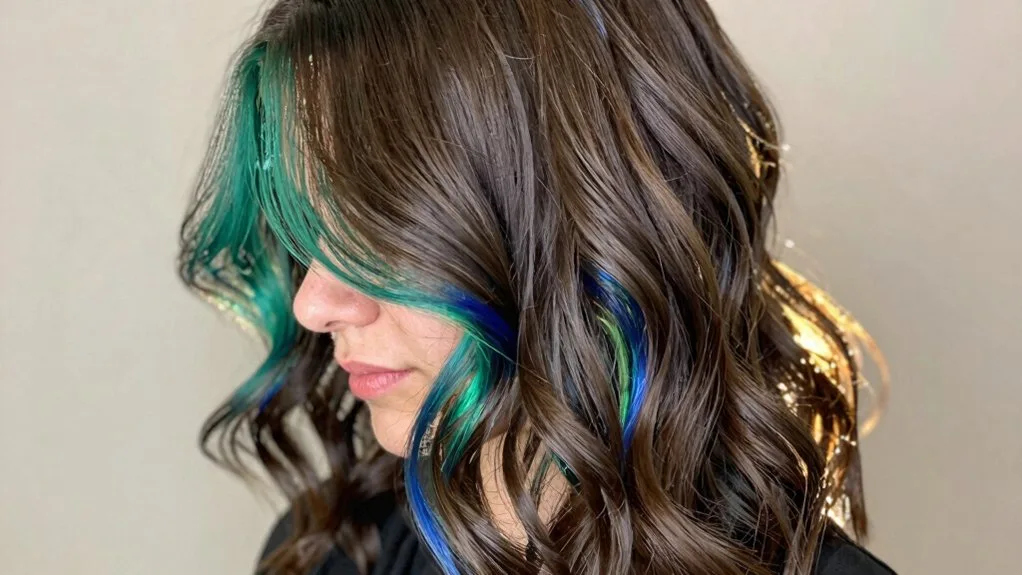
Peekaboo hair color is a strategic coloring technique that hides vibrant hues beneath the surface layer of hair. The top section remains natural or subtly toned, while underneath sections showcase bold jewel tones, pastels, or metallics. This approach offers versatility for professional settings and creative expression.
The trend gained momentum through social media platforms showcasing dramatic reveals. People appreciate how peekaboo coloring delivers impact without permanent commitment. The technique works across all hair types and textures when properly executed.
Colorists recommend starting with quality lightening products like Wella T18 or Malibu C Hard Water Wellness for ideal vibrancy. According to master stylist Jennifer Chen, “Peekaboo color allows clients to explore bold palettes while maintaining a polished appearance.” The hidden dimension creates movement and depth that evolves with each head turn.
Also read: 17 Peekaboo Hair Color Ideas You’ll Want to Try Right Now
Is Your Hair Ready for Peekaboo Color?

Before committing to hidden color layers, understanding your hair’s current condition determines success. Hair that’s damaged, overly processed, or extremely fine struggles to hold peekaboo color effectively. A professional assessment identifies whether hair needs strengthening treatments first.
Healthy hair with intact cuticles accepts color beautifully. Deep conditioning treatments prep strands for the coloring process. Protein-rich products like Olaplex or K18 rebuild hair structure before layering colors.
Hair texture matters notably. Thick, textured hair camouflages color shifts naturally. Fine or thin hair requires careful placement to avoid overwhelming appearance.
Consider your maintenance commitment. Peekaboo colors fade gradually, requiring touch-ups every 6-8 weeks. Sulfate-free shampoos preserve vibrancy between salon visits.
Consultation with colorists reveals whether your hair meets requirements. They assess porosity, elasticity, and previous chemical treatments. This determines ideal color placement and formulation.
Gather Your Supplies: A DIY Peekaboo Toolkit

Assembling the right tools transforms a DIY peekaboo project from uncertain to achievable. Before applying hidden color dimensions, stylists recommend gathering professional-grade supplies that guarantee salon-quality results at home.
- Color application tools: quality dye brushes, sectioning clips, mixing bowls (non-metal), and applicator bottles deliver precision and control during placement.
- Protective equipment: gloves, old towels, petroleum jelly, and cape prevent staining clothes and skin while maintaining comfort throughout the process.
- Processing essentials: developer, color formula, processing timer, and clarifying shampoo create the foundation for vibrant, long-lasting hidden hues.
“Investing in proper supplies eliminates guesswork,” explains colorist Marcus Chen. Quality brushes allow concentrated application on concealed sections without damaging surrounding hair. Sectioning clips organize placement patterns, making sure peekaboo layers reveal intentionally rather than accidentally. Mixing containers prevent chemical reactions that compromise color vibrancy and longevity.
Where to Hide Your Bold Colors: Underlayer Placement Secrets

Where should bold color live in peekaboo hair? The underlayer holds the magic. Strategic placement beneath natural hair creates surprise dimension without commitment.
Hidden sections work best. Place vibrant colors under the back section, creating depth when hair moves. Side underlayers reveal color during styling. Nape placements offer supreme subtlety for professional settings.
Professional colorist Sarah Mitchell explains, “Underlayer placement determines how often clients see their bold choice daily.” Sections measuring two to three inches wide provide ideal visibility. Thinner sections risk invisibility. Thicker sections may peek through awkwardly.
Diagonal sections offer modern dimension. Vertical placements create classic peekaboo effects. Horizontal lines suit shorter styles perfectly. Use Wella T18 or Manic Panic for vibrant underlayers.
The strategically placed underlayer transforms ordinary hair into personalized artwork revealing surprise color moments throughout daily movement.
The Foil Method for Precise, Professional Results
Aluminum foil serves as the precision tool that separates amateur peekaboo work from salon-quality results. This method creates clean, controlled color placement without bleeding or overlap. Professional stylists prefer foil sectioning because it isolates hair strands effectively, ensuring vibrant underlayer colors remain hidden until movement reveals them.
The foil technique requires three essential steps:
- Section hair strategically using clips, then wrap selected strands in aluminum foil squares to prevent color transfer to surrounding hair
- Apply color formula directly onto foiled sections using a tint brush, working from roots to ends for even saturation
- Process according to product instructions, typically 25-45 minutes depending on desired intensity and hair porosity levels
Foil barriers prevent unwanted color bleeding while maintaining crisp dimensional contrast. This method delivers salon-caliber results that justify the minimal extra effort required during application.
Clip-In Colored Hair Extensions as a Commitment-Free Option

For those hesitant about permanent color commitment, clip-in extensions offer a reversible peekaboo alternative that delivers salon-quality dimension without chemical processing. These attachments instantly create hidden color layers beneath natural hair. Popular brands like Luxy Hair andemy Extensions provide pre-colored strands in balayage, ombré, and solid accent shades.
Installation requires sectioning hair strategically. Users clip extensions at mid-length or lower sections, concealing them when hair is down. Styling involves teasing the base for secure grip, then snapping clips firmly into place. The process takes approximately ten to fifteen minutes.
Color options range from subtle brunette highlights to vibrant jewel tones. Maintenance is straightforward: gentle brushing and occasional conditioning preserve extension quality. This method allows experimentation with bold hues like rose gold or sapphire blue without salon visits or damage risk.
Hand-Painting for Natural, Blended Color
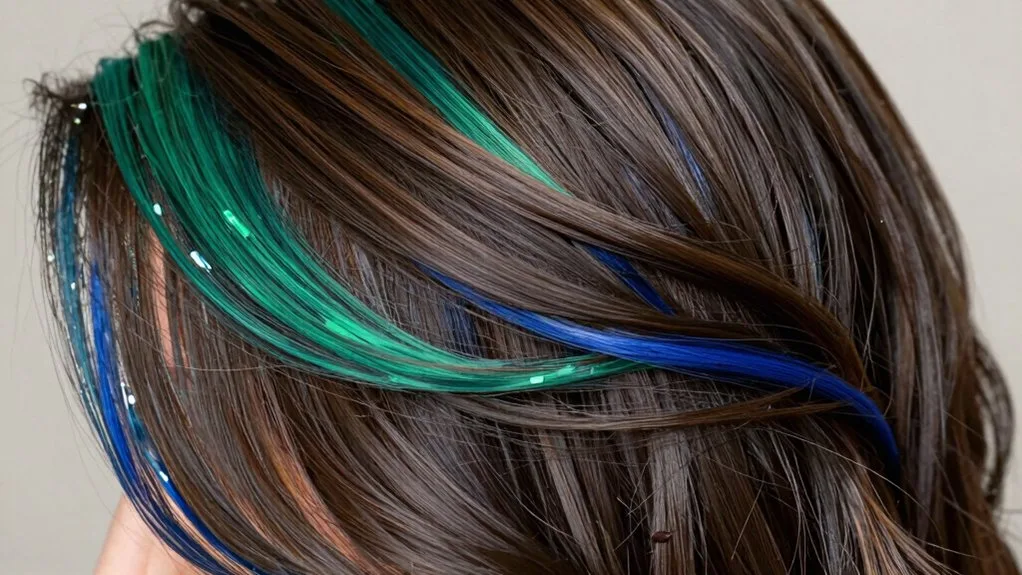
Many stylists consider hand-painting the gold standard for creating seamlessly blended peekaboo highlights that mimic natural sun-kissed dimension. This technique involves applying color directly onto sectioned hair using a brush, allowing colorists to control placement and saturation precisely.
Hand-painting delivers customized results that complement individual skin tones and hair texture. The method creates dimension that looks intentional yet effortless, avoiding the striped appearance of traditional highlighting.
Key advantages of hand-painting include:
- Strategic placement along face-framing sections for maximum visibility
- Gradual color changes that blend naturally with base color
- Reduced damage since fewer sections require bleaching or processing
Professional colorist Marcus Chen explains: “Hand-painting allows us to paint light exactly where it naturally falls, creating authentic dimension.” The technique requires steady hands, color theory knowledge, and understanding of hair porosity for best results and longevity.
Dark Hair Without Bleach: How to Add Peekaboo Color

Achieving peekaboo highlights on dark hair requires a different approach than traditional bleaching methods. Colorists use semi-permanent or demi-permanent dyes in jewel tones, rich reds, and warm browns to create dimension without damage.
Applying color to unbleached dark strands demands strategic placement. Underneath sections, hidden layers, and interior panels receive vibrant pigments that emerge when hair moves. This technique preserves the integrity of dark base color while introducing dimensional depth.
Semi-permanent formulas like Manic Panic or Arctic Fox work effectively on darker hair without lift. These deposit color directly onto the strand, creating multi-tonal effects. A colorist explains, “Dark hair becomes a canvas for jewel tones that traditional bleaching can’t achieve.”
The result? Subtle dimension that builds gradually with each wash. Low-maintenance peekaboo color that celebrates natural dark hair.
Pastel vs. Neon: Color Choices for Peekaboo Hair
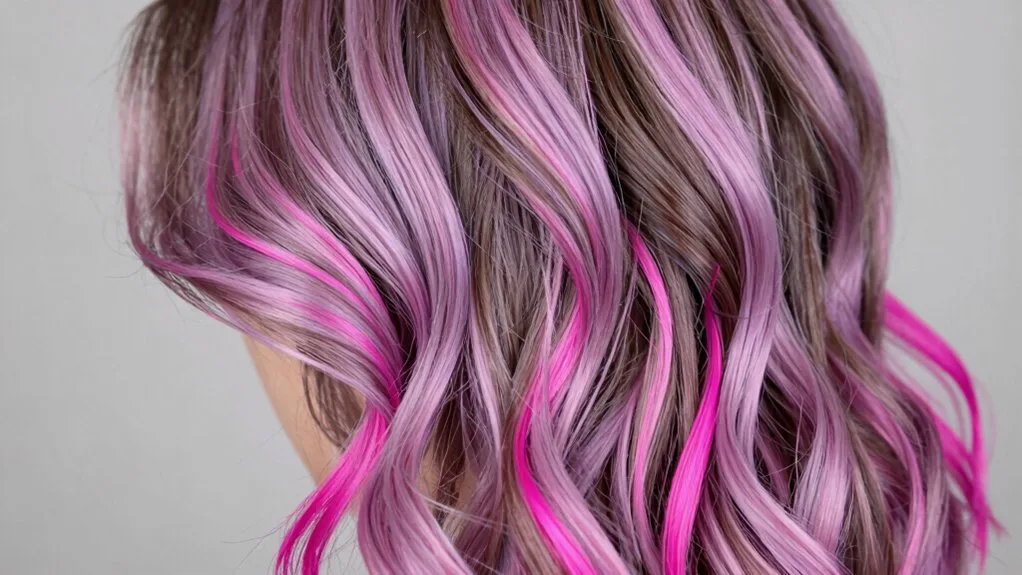
Which palette suits your peekaboo vision—soft pastels or bold neons?
Pastel peekaboo colors offer subtle sophistication. Think lavender, mint, and dusty rose hidden beneath darker layers. These shades work beautifully on medium to dark hair without requiring extensive bleaching. Neon peekaboo colors deliver high-impact drama. Vibrant magentas, electric blues, and shocking yellows create unmistakable visual pop when hair moves.
Consider these key differences:
- Maintenance demands: Pastels fade gradually and blend naturally; neons demand frequent touch-ups every 2-3 weeks
- Styling versatility: Pastel tones suit professional settings; neons require intentional styling for workplace appropriateness
- Hair health impact: Pastels need moderate lightening; neons typically require 20-30 volume developer for peak vibrancy
Professional colorist Sarah Chen notes, “Pastel choices signal understated creativity, while neons announce bold self-expression.” Personal style, lifestyle, and hair condition ultimately determine the ideal selection. Both techniques offer rewarding transformations when properly executed.
Reverse Peekaboo: Bold Color on Top, Neutral Underneath

While pastels and neons hide beneath darker hair, reverse peekaboo flips the formula entirely—placing vibrant hues on top layers with natural or neutral shades underneath. This technique creates dramatic movement and dimension without sacrificing professional appearance. The bold color sits visibly on surface strands, typically the crown and face-framing sections, while deeper layers remain brunette, black, or ash blonde.
Stylists recommend this approach for clients seeking maximum impact with minimal commitment. Top-layer coloring allows easy refreshes without full-head processing. Vibrant teals, hot pinks, or sunset oranges contrast beautifully against cool undertones. The neutral base prevents color bleeding and maintains structural integrity during frequent touch-ups.
Application requires strategic sectioning and precise placement. Professional colorists use balayage or foil techniques to guarantee seamless blending. This dimensional style suits straight and textured hair, offering versatility across multiple hair types and textures.
Test First: Temporary Dyes and Chalks

Before committing to reverse peekaboo‘s bold top layers, temporary color solutions offer a risk-free preview of potential results. Testing allows clients to visualize final outcomes before permanent chemical processes begin.
Temporary options include:
- Hair chalk pastels—vibrant, washable, perfect for single-session experimentation without commitment or damage
- Semi-permanent dyes like Manic Panic or Splat—last 4-6 weeks, reveal true color depth on individual hair types
- Spray-on temporary colors—instant removal with shampooing, ideal for event-specific or confidence-building trials
Colorist Sarah Chen notes, “Temporary applications teach clients their undertones and preferred saturation levels.” This preview phase prevents costly corrections from unsuitable permanent color choices. Clients gain valuable insight into maintenance requirements, styling compatibility, and personal preferences before investing in permanent reverse peekaboo applications. Testing transforms uncertainty into informed decision-making.
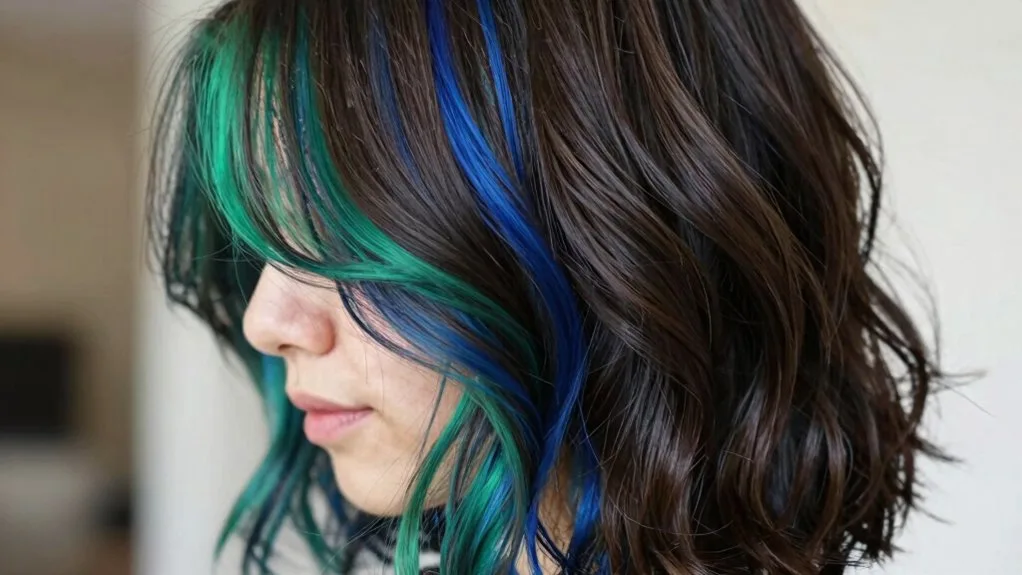
Once clients commit to permanent reverse peekaboo color, the real work begins. Maintaining vibrant hidden layers requires strategic care and intentional styling choices that protect the investment.
Color-safe shampoos and conditioners preserve pigment integrity. Sulfate-free formulas prevent premature fading and maintain dimension. Weekly deep conditioning treatments restore moisture depleted by chemical processing, keeping strands healthy and glossy.
Heat styling demands protection. Leave-in conditioners with UV filters shield color from sun damage and thermal stress. Professionals recommend applying products before blow-drying or flat-ironing.
Styling technique matters greatly. Blow-drying with a paddle brush reveals hidden sections effectively. Loose waves and textured styles showcase dimensional depth better than sleek presentations.
Refresh appointments every 6-8 weeks maintain color intensity. Touch-ups prevent brassiness and keep undertones rich and true to the original vision.
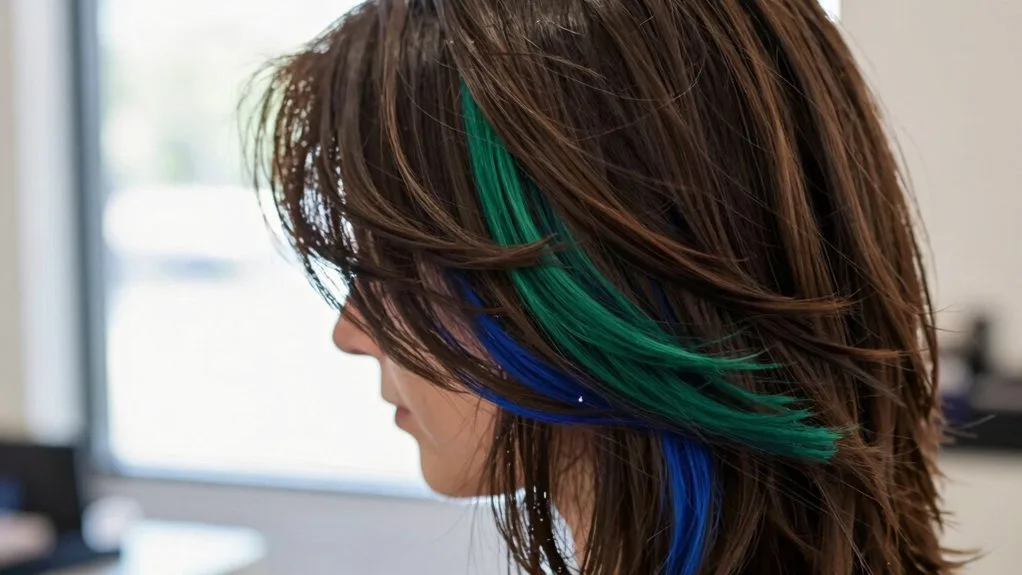
Strategic styling releases the full potential of peekaboo color investments. The hidden layers demand intentional technique to shine through everyday looks.
- Layered Styling Methods: Blow-dry hair away from the face using a paddle brush. This positioning exposes underneath sections where hidden colors live. Volumizing products like texturizing sprays enhance dimension further.
- Sectioning Techniques: Part hair differently than usual—side parts reveal new color placement than center parts. Moving the part weekly keeps the effect fresh and interesting.
- Accessory Placement: Sleek ponytails pull back surface layers, showcasing concealed tones underneath. Half-up styles create visual contrast between hidden and visible sections.
Colorist Sarah Martinez notes: “Movement makes peekaboo color work.” Styling strategically transforms subtle undertones into noticeable dimension. The investment deserves intentional presentation through daily styling choices.
Should You Go Professional? A DIY vs. Salon Comparison
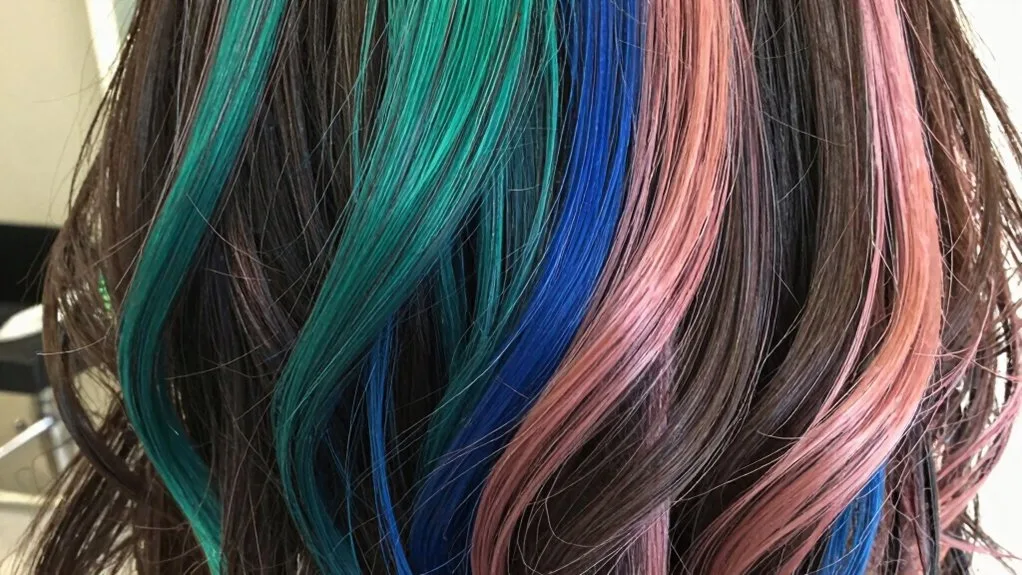
Why do some peekaboo color results look effortless while others appear patchy and uneven? Professional colorists possess technical expertise that guarantees even saturation and seamless blending. DIY applications often struggle with back-section accessibility and precise sectioning, resulting in missed spots.
Salon visits promise quality products like Wella Professionals or Olaplex treatments that protect hair integrity. At-home kits offer budget-friendly alternatives but require steady hands and color theory knowledge. A colorist can assess hair texture, porosity, and existing color to customize formulas accordingly.
Professional results typically last longer due to proper processing time and developer ratios. DIY enthusiasts can achieve acceptable results with careful preparation, sectioning clips, and instructional videos.
Consider a salon visit for initial placement, then maintain color at home using toners and glossing treatments.
Peekaboo Hair Color FAQs and Troubleshooting

Common questions about peekaboo placement and color maintenance reveal that most concerns stem from unrealistic expectations or improper aftercare. Understanding these fundamentals prevents disappointment and extends color vibrancy appreciably.
- How long does peekaboo color last? Typically 4-6 weeks depending on hair porosity and product quality. Semi-permanent dyes fade faster than permanent formulas.
- Can I apply peekaboo highlights to damaged hair? Professionals recommend waiting until hair reaches healthy condition. Compromised strands absorb color unevenly, creating patchy results.
- What’s the best maintenance routine? Use sulfate-free shampoos and cool water rinses. Purple-toning shampoos neutralize brassy undertones in lighter peekaboo sections.
Colorist Maria Chen explains, “Moisture-rich conditioners strengthen internal hair structure, protecting vibrant undertones.” Quality products like Olaplex and K18 appreciably improve color longevity and dimensional depth, making professional maintenance worthwhile.
Frequently Asked Questions
How Long Does Peekaboo Hair Color Typically Last Before Fading or Needing Touch-Ups?
Peekaboo hair color typically lasts four to eight weeks before noticeable fading occurs. The longevity depends on hair care practices, color type used, and how frequently one washes their hair. Touch-ups are generally recommended every six to ten weeks for ideal vibrancy.
Can I Apply Peekaboo Color to Previously Dyed or Damaged Hair Safely?
Yes, peekaboo color can be applied to previously dyed hair, though caution is necessary. Damaged hair requires deep conditioning treatments beforehand. A strand test is essential to prevent further breakage and guarantee color takes evenly.
What’s the Best Way to Prevent Peekaboo Color From Staining My Skin During Application?
One should apply petroleum jelly or a protective barrier cream along the hairline, ears, and neck before application. Using gloves throughout the process and working carefully with small sections helps minimize skin contact and potential staining.
How Do I Choose Between Permanent and Semi-Permanent Dyes for Peekaboo Coloring?
One should consider permanent dyes for long-lasting, vibrant peekaboo colors that withstand frequent washing. Semi-permanent options suit those preferring temporary results, less commitment, and minimal hair damage while experimenting with bold accent shades.
Will Peekaboo Hair Color Work on Very Short Hair or Pixie Cuts?
Peekaboo coloring can work on pixie cuts, though the effect differs from longer styles. Shorter hair reveals less hidden color, so the technique becomes more subtle. Strategic placement on underlayers or side sections maximizes visibility in short cuts.
Conclusion
Peekaboo hair color transforms any style into a dynamic, multidimensional look. Whether choosing vibrant jewel tones or soft pastels, strategic underlayer placement creates dimension that reveals itself through movement and styling. With proper preparation, quality sulfate-free products, and consistent maintenance, at-home application rivals professional results. The technique offers flexibility—experiment boldly, adjust techniques, and refine your approach. This versatile trend adapts to individual preference and commitment level.