
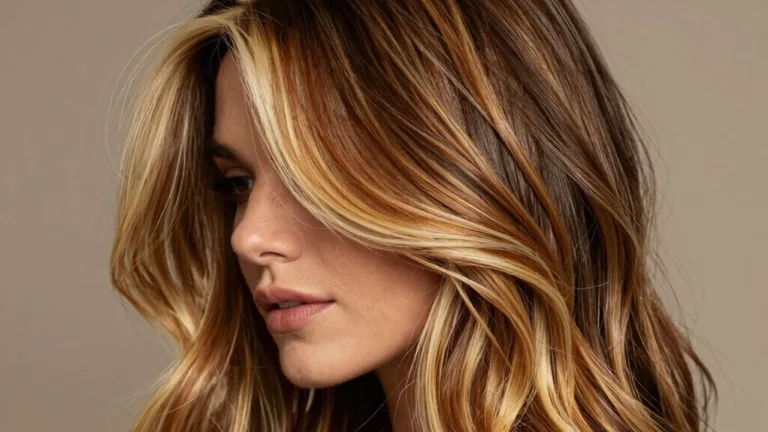
Brunettes considering a blonde transformation face an exciting crossroads. Soft balayage, babylights, and strategic face-framing pieces offer pathways to luminous color without sacrificing depth. From subtle honey undertones to bold icy streaks, each technique delivers distinct results. The real question isn’t whether blonde suits brunettes—it does. Rather, discovering which approach complements your skin tone and lifestyle requires understanding key styling differences that professionals use daily.
Table of Contents
- Choosing Your Blonde: A Quick Decision Guide
- Subtle Highlights for a Gradual Transition
- Balayage: The Art of Blended Blonde Placement
- Babylights: Soft, Delicate Dimension
- Face-Framing Money Pieces That Brighten
- Honey Blonde for Warm, Sun-Kissed Tones
- Buttery Blonde: Richness Without Harshness
- Caramel Ribbons: Warm Strands Through Brunette Hair
- Bronde: The Perfect Blend of Brown and Blonde
- Warm-Tone Blondes: Which Is Right for Your Skin
- Icy Blonde Streaks: Contrast Against Deep Roots
- Platinum Blonde Accents: Maximum Impact
- Mushroom Blonde: Cool, Muted Sophistication
- Dirty Blonde: Muted, Natural Feel
- Shadow Blonde: Contrast Without Heavy Commitment
- Cool-Tone Blondes: Which Suits Your Complexion
- Chunky Blonde Pieces for Bold Impact
- Rooted Blonde: Growing Out Your Color Gracefully
- Blonde Peekaboos: Hidden Streaks Underneath
- Lived-In Blonde: The Effortless, Undone Look
- Maintenance Tips to Keep Your Blonde Looking Fresh
- Frequently Asked Questions
- Conclusion
Choosing Your Blonde: A Quick Decision Guide
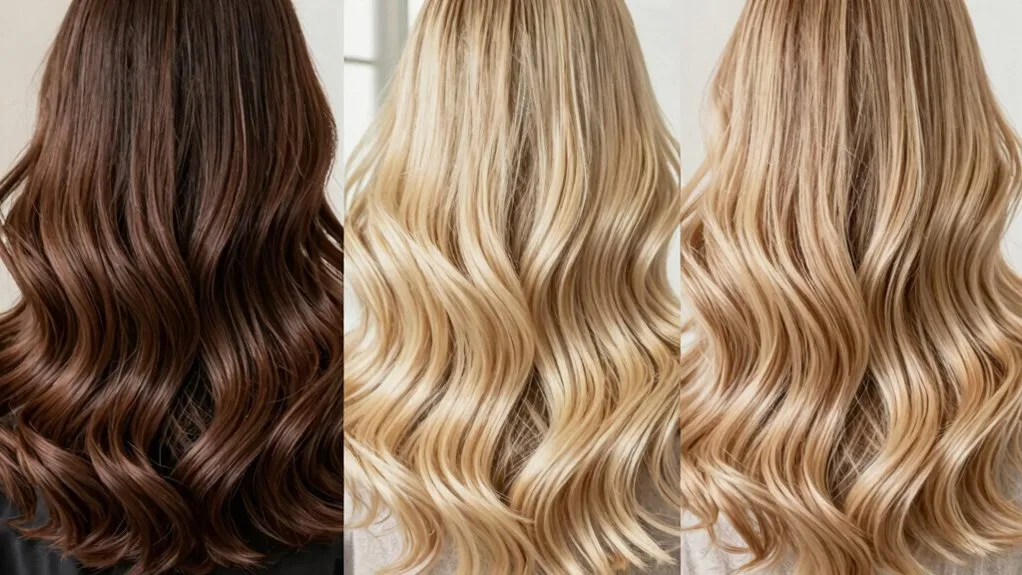
How does one navigate the spectrum of blonde shades when starting from a brunette base? The journey requires understanding undertone matching and lightening potential. Cool-toned brunettes suit platinum and ash blondes beautifully. Warm brunettes complement golden and honey blondes more naturally.
Dimensional styling creates dimension through strategic placement. Babylights near the face brighten without full commitment. Balayage techniques blend multiple blonde tones seamlessly across sections. According to colorist James Chan, “Strategic placement prevents harsh contrasts while maintaining depth.”
Consider starting with level 8 or 9 blonde for gradual progression. Wella T18 toner neutralizes unwanted yellow effectively. Olaplex No. 8 Bond Intensive Moisture Mask protects compromised strands during the process. Darker rooted styles, like shadow roots, ease maintenance demands considerably.
Also read: 21 HIGHLIGHTS HAIR COLOR IDEAS FOR BRUNETTES That Add Dimension Fast!
Subtle Highlights for a Gradual Transition
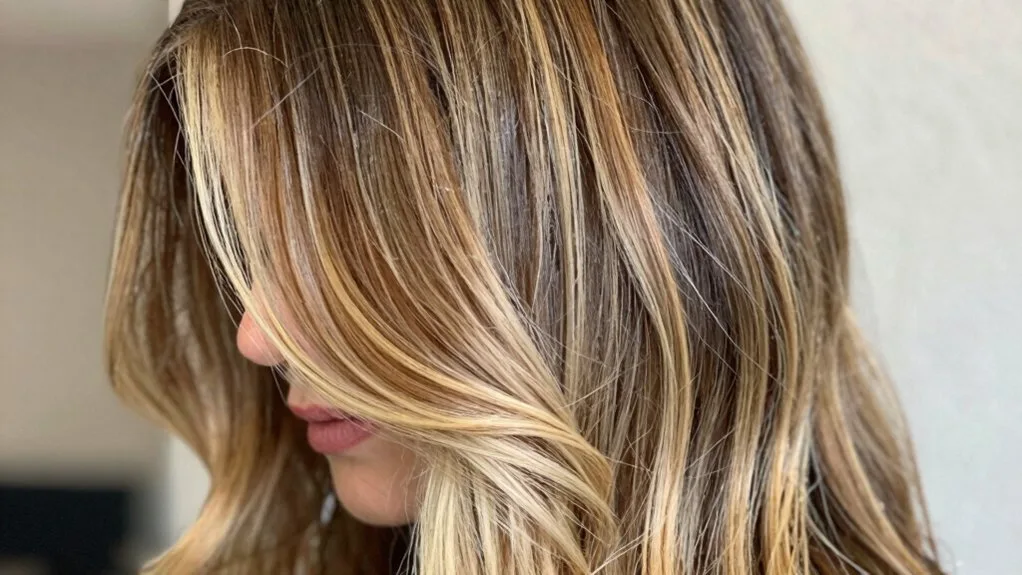
When brunettes want blonde hair without dramatic overnight change, subtle highlights offer the perfect compromise between boldness and caution. This gradual approach builds dimension while maintaining hair integrity through multiple sessions.
Strategic placement creates natural-looking depth:
- Face-framing pieces brighten the complexion and draw attention to facial features
- Babylights use thin, delicate strands for seamless blending throughout the hair
- Balayage techniques hand-paint highlights for an effortless, sun-kissed appearance
- Money pieces concentrate lighter tones around the front sections for maximum impact
- Root shadow keeps darker bases, reducing maintenance and growing-out appearance
Colorists recommend spacing appointments six to eight weeks apart. This timeline allows hair recovery between sessions while gradually building blonde tones. Starting with 15-20% highlighted sections prevents damage and permits adjustment before committing further. Consultation with a professional guarantees shade selection complements skin tone and existing brunette base.
Balayage: The Art of Blended Blonde Placement
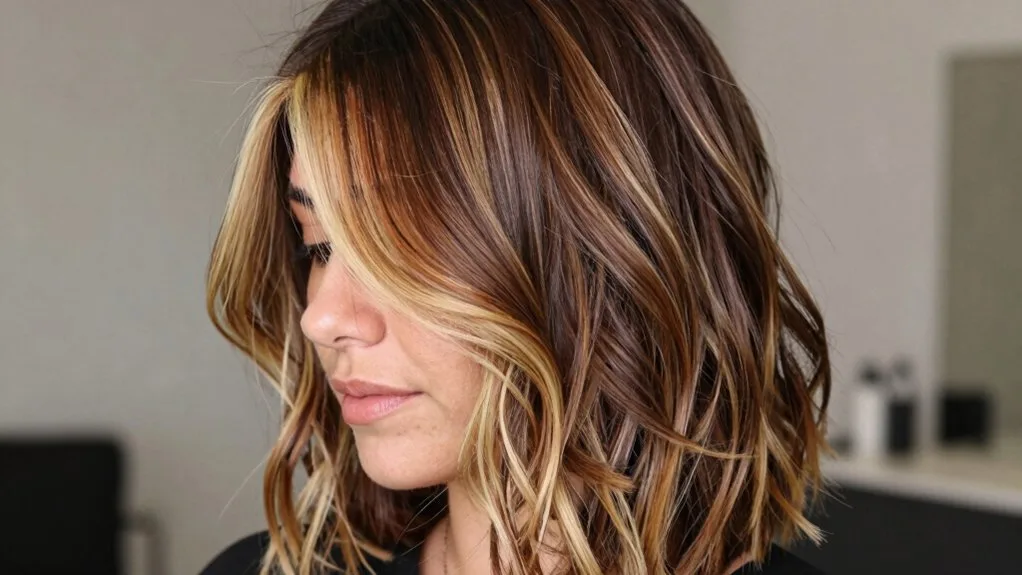
Because balayage requires a freehand approach rather than traditional foil placement, this technique delivers the most natural-looking blonde gradations for brunettes seeking dimension. Stylists paint blonde directly onto hair sections, mimicking how the sun naturally lightens strands. This creates seamless shifts from darker roots to lighter ends.
The placement targets face-framing pieces and surface layers strategically. Brunettes benefit from warm honey tones or cool ash blondes depending on their undertones. Celebrity colorist Aura Friedman notes, “Balayage works beautifully because it enhances natural texture without harsh lines.”
Maintenance proves easier than traditional highlights. Touch-ups occur every three to four months rather than six weeks. The technique flatters various brunette shades, from rich chocolate to lighter caramel bases, making it an accessible switch option.
Babylights: Soft, Delicate Dimension
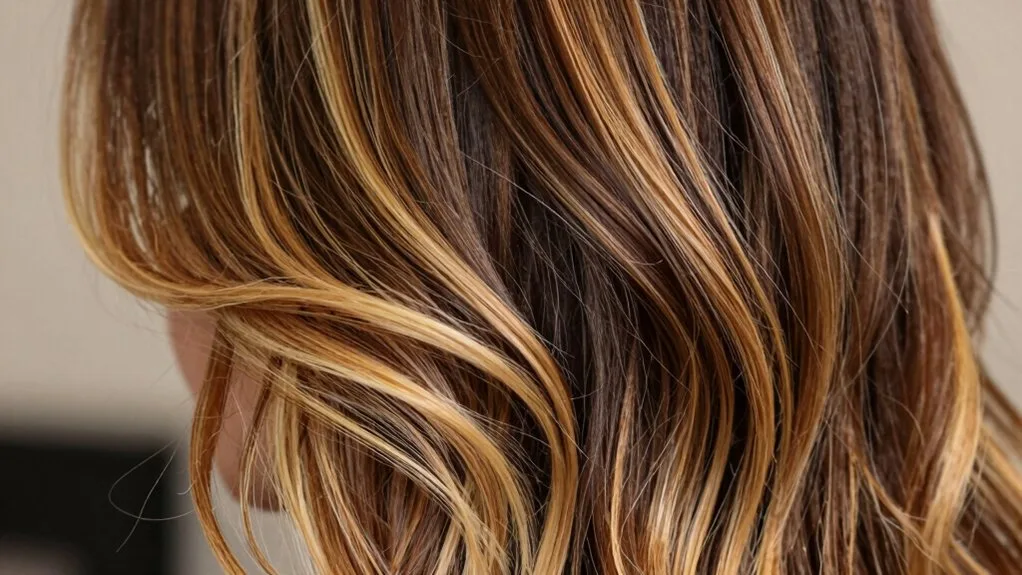
While balayage creates sweeping color movement, babylights take a more intricate approach to dimension. This technique involves painting delicate, thin strands throughout the hair, mimicking natural childhood blonde highlights. The result is subtle, multidimensional color that brunettes find transformative.
Babylights work best when applied strategically:
- Around the face to brighten features naturally
- Throughout mid-lengths for soft movement and depth
- On darker brunette bases for contrast without harshness
- In smaller sections than traditional highlights for blending
- Using warm or cool tones matching skin undertones
The application requires precision and patience. Colorists typically use fine foils or balayage brushes for placement. Brands like Wella T18 and Schwarzkopf Blondme offer excellent results for achieving that coveted, sun-kissed effect.
“Babylights celebrate the natural texture of hair while adding understated sophistication,” explains master colorist Michelle Chen. The technique provides dimension without commitment, making it ideal for brunettes exploring blonde gradually.
Face-Framing Money Pieces That Brighten
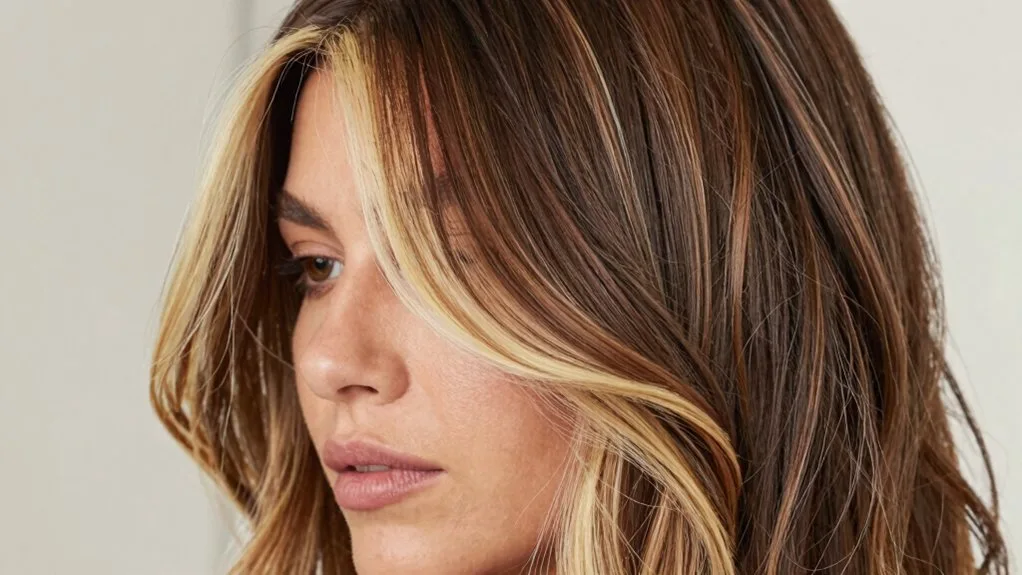
Three strategic blonde pieces around the face create instant brightness and dimension for brunettes. These money pieces frame the face beautifully while maintaining the darker base. Stylists apply lighter blonde to sections near cheekbones and temples, creating a lifted, radiant effect.
The technique works by drawing light toward facial features. Honey blonde or champagne tones complement warm skin undertones exceptionally well. Cool-toned brunettes benefit from ash blonde or platinum highlights instead.
Celebrity colorist Kristin Ess notes, “Money pieces instantly modernize any brunette while requiring minimal maintenance.” The contrast between dark roots and bright face-framing pieces delivers striking dimension without full lightening.
Application requires precision. Professionals typically use balayage or hand-painted techniques for seamless blending. This approach avoids harsh lines while maximizing brightness exactly where it matters most.
Honey Blonde for Warm, Sun-Kissed Tones
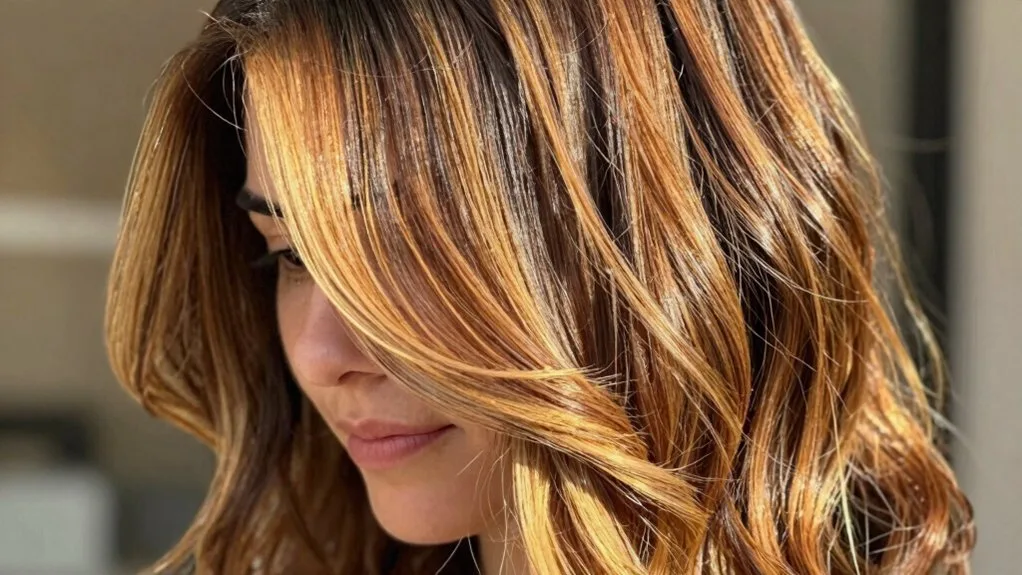
Honey blonde takes the face-framing concept even further by embracing warm, natural tones that mimic sun exposure. This approach transforms brunette hair into a multidimensional masterpiece, blending deeper roots with lighter, golden mid-lengths and ends.
The honey blonde technique involves several strategic elements:
- Root shadow placement creates depth and reduces maintenance between salon visits
- Caramel undertones complement warm skin tones beautifully and naturally
- Dimensional blending prevents harsh lines between color zones
- Golden highlights catch light at face-level for flattering brightness
- Glossing treatments enhance shine and seal the color-treated cuticle
Colorist Sarah Mitchell explains, “Honey blonde works because it enhances natural warmth rather than fighting it.” This approach requires quality toning shampoos and weekly deep-conditioning masks to maintain vibrancy and prevent brassiness in lighter sections.
Buttery Blonde: Richness Without Harshness
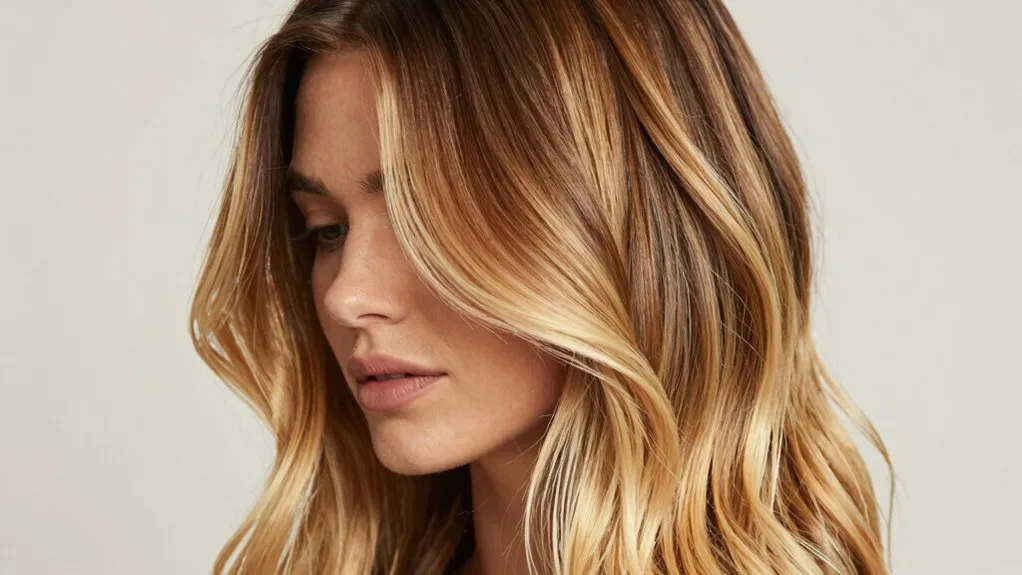
Creamy, muted blonde tones offer brunettes a sophisticated alternative to brighter, cooler shades. Buttery blonde works particularly well for those with warm undertones and deeper natural bases. This shade sits between golden and platinum, avoiding the harsh contrast that can overwhelm darker complexions.
The richness comes from dimensional layering. Colorists blend buttery highlights with deeper lowlights, creating depth and movement. Products like Wella T18 toner or Schwarzkopf Blondme help achieve this creamy finish without damage.
“Buttery blonde flatters warm skin tones beautifully,” notes celebrity colorist Aura Friedman. The shade requires maintenance every six to eight weeks for ideal appearance.
Strategic placement matters considerably. Face-framing pieces brighten features while darker roots maintain dimension and reduce upkeep demands, making this approach both practical and visually striking for brunette transformations.
Caramel Ribbons: Warm Strands Through Brunette Hair
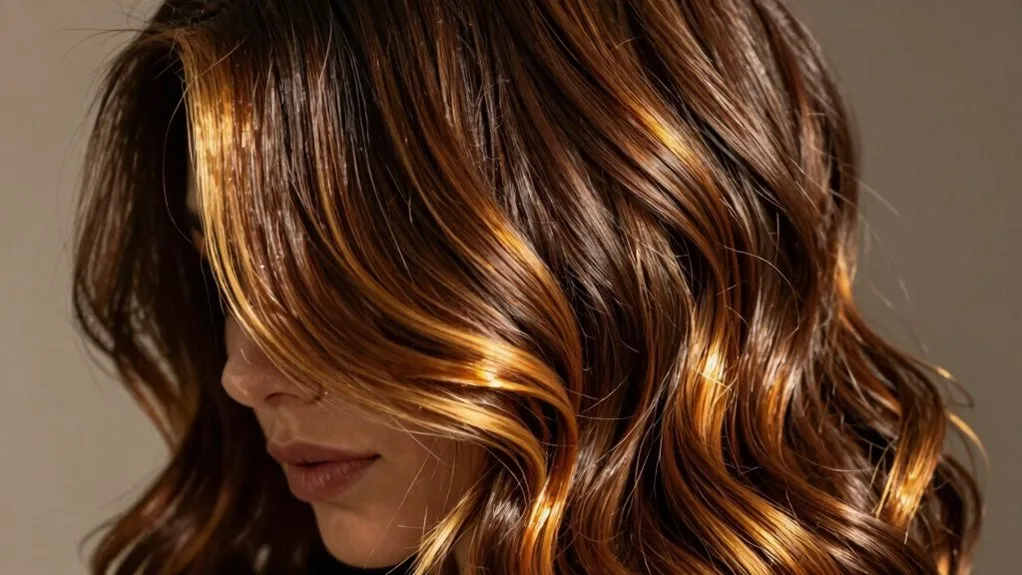
While buttery blonde suits cooler undertones, caramel ribbons offer brunettes a warmer, more dimensional alternative that works seamlessly with their natural base. This technique strategically places honeyed tones throughout darker hair, creating movement and depth.
Key benefits of caramel ribbons include:
- Creates natural-looking dimension without full bleaching
- Complements warm and neutral skin tones perfectly
- Requires less maintenance than solid blonde highlights
- Works on various brunette shades from light to dark
- Enhances facial features through strategic placement
Colorists typically apply caramel tones around the face and through mid-lengths, leaving roots untouched. This approach minimizes damage while maximizing visual impact. Products like Wella T18 or Schwarzkopf Gloss enhance the warm undertones beautifully. The technique demands precision placement for ideal results.
Bronde: The Perfect Blend of Brown and Blonde
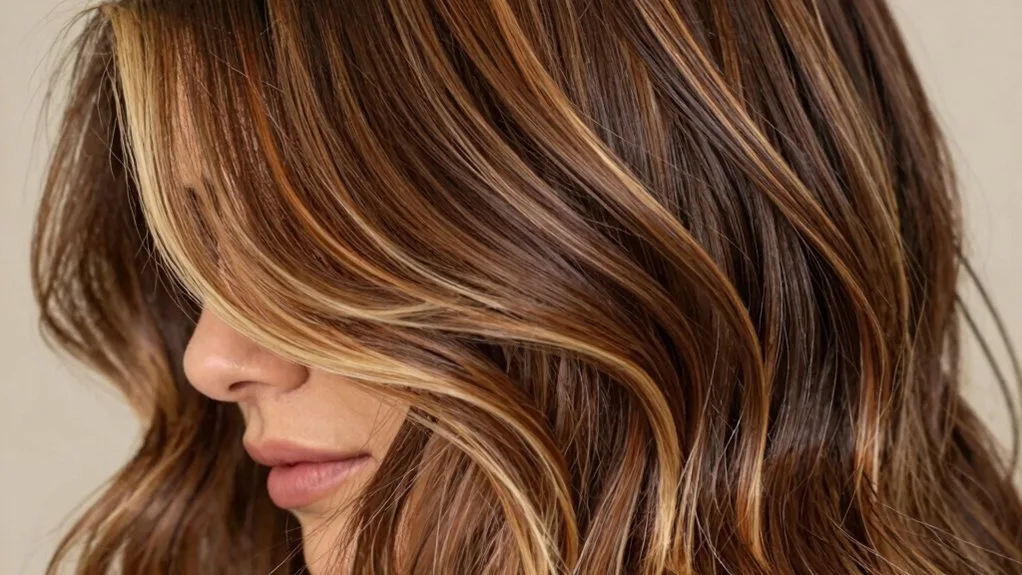
If caramel ribbons feel too subtle, bronde offers a bolder statement by blending brown and blonde into one cohesive color story. This technique combines a darker base with strategically placed lighter pieces throughout. The result? Dimension that catches light beautifully while maintaining natural-looking depth.
Colorists typically use 40-60% blonde placement depending on desired intensity. “Bronde works because it flatters multiple skin tones and requires less frequent touch-ups than full blonde,” explains celebrity colorist Aura Friedman. Products like Wella T18 toner and Olaplex No. 5 Bond Maintenance Conditioner help maintain the blend’s integrity.
Styling matters tremendously. Textured waves emphasize dimensional contrast more effectively than straight styles. Bronde evolves beautifully across seasons—warmer in fall, cooler in spring—without requiring complete recoloring.
Warm-Tone Blondes: Which Is Right for Your Skin
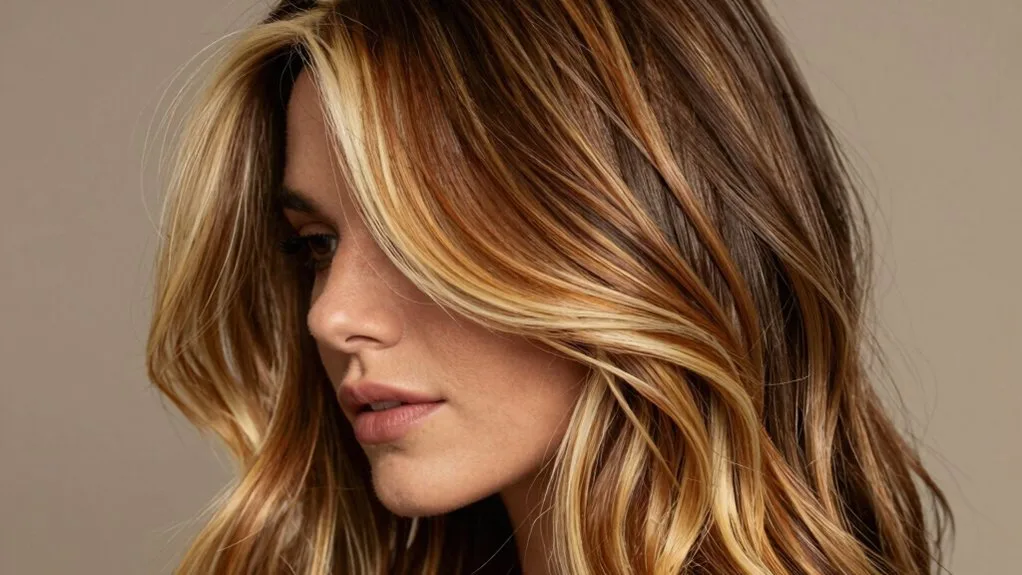
How do warm-tone blondes differ from their cooler counterparts? Warm-tone shades embrace golden, honey, and caramel undertones that complement deeper skin tones beautifully. They create luminosity without harsh contrast against brunette roots.
Consider these warm blonde variations:
- Honey Blonde: Rich, golden hues that blend seamlessly with natural brunette bases
- Butterscotch: Deeper warm tones ideal for medium skin undertones
- Champagne: Sophisticated blend of warm and neutral tones
- Caramel Highlights: Strategic placement adds dimension without full lightening
- Strawberry Blonde: Warm copper tones for redder undertones
According to colorist Maria Chen, “warm blondes enhance natural warmth in skin, creating cohesive, flattering results.” The key involves matching undertones to skin temperature. Cool undertones suit ash or platinum shades, while warm undertones flourish with golden varieties. Strategic dimensional styling prevents flat appearance.
Icy Blonde Streaks: Contrast Against Deep Roots
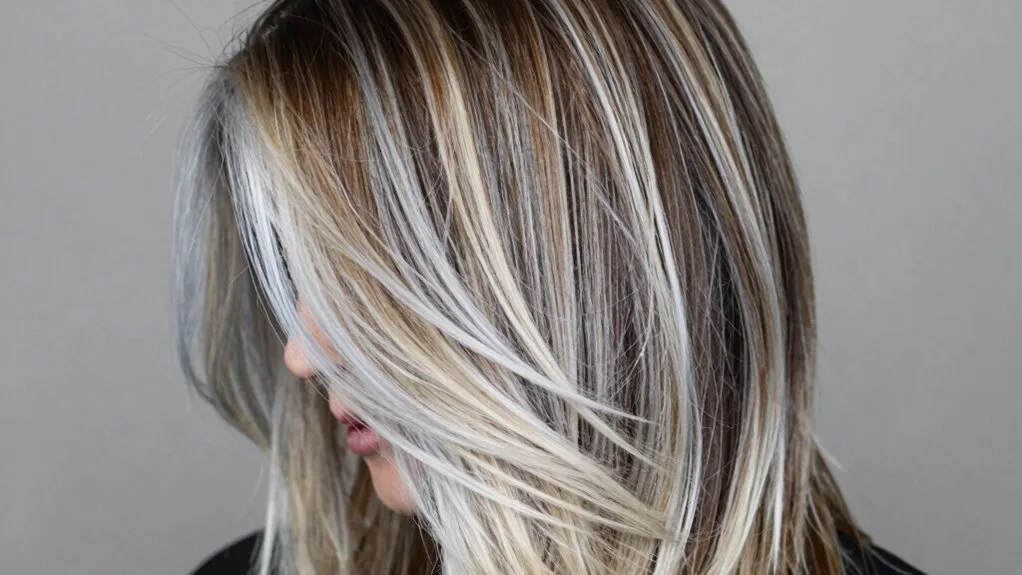
For brunettes seeking dramatic transformation without committing to full lightening, icy blonde streaks offer striking visual impact through strategic contrast. This technique places cool-toned highlights against deep roots, creating dimensional depth that flatters medium and dark base colors.
The key involves selecting platinum or ash-blonde shades that complement cool undertones in skin. Strategically placing streaks around the face maximizes dimension while maintaining low-maintenance styling. As colorist Marcus Chen notes, “Rooted blonde creates movement without constant touch-ups.”
Products like Wella T18 toner and Schwarzkopf Igora Royal deliver the icy finish brunettes need. Application requires sectioning hair methodically, typically using foil highlights for precision placement.
This approach works beautifully for shoulder-length and longer styles. The contrast between cool streaks and warm-brown roots creates sophisticated visual interest that evolves throughout the day.
Platinum Blonde Accents: Maximum Impact
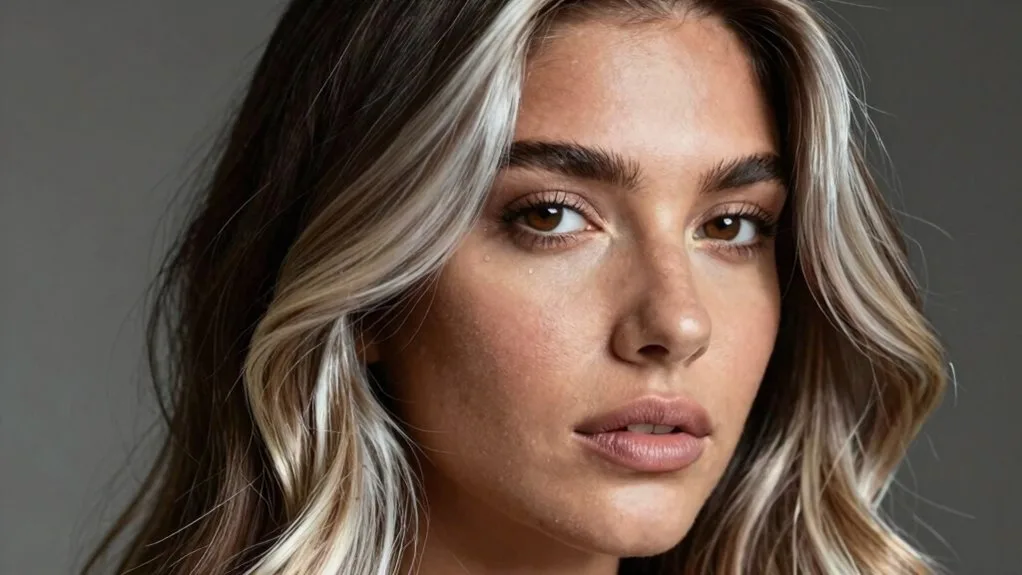
While icy streaks offer subtle sophistication, platinum blonde accents deliver bolder transformation through concentrated placement and higher lift levels. This technique requires precision and commitment to maintenance, making it ideal for brunettes ready for dramatic change.
Key placement strategies include:
- Face-framing pieces brighten complexion and draw attention to facial features
- Babylights at the crown create dimensional depth without full commitment
- Ends-only technique delivers impact while protecting mid-lengths from damage
- Chunky highlights make bold statements through strategic sectioning
- Money pieces frame the face with maximum visibility and presence
Colorists typically use 30-40 volume developer with quality toning shampoo to maintain vibrancy. Olaplex or similar bond-treatment products protect hair integrity during the lifting process. Regular deep conditioning every three days prevents brittleness and extends color longevity, ensuring platinum tones remain luminous and dimensional.
Mushroom Blonde: Cool, Muted Sophistication
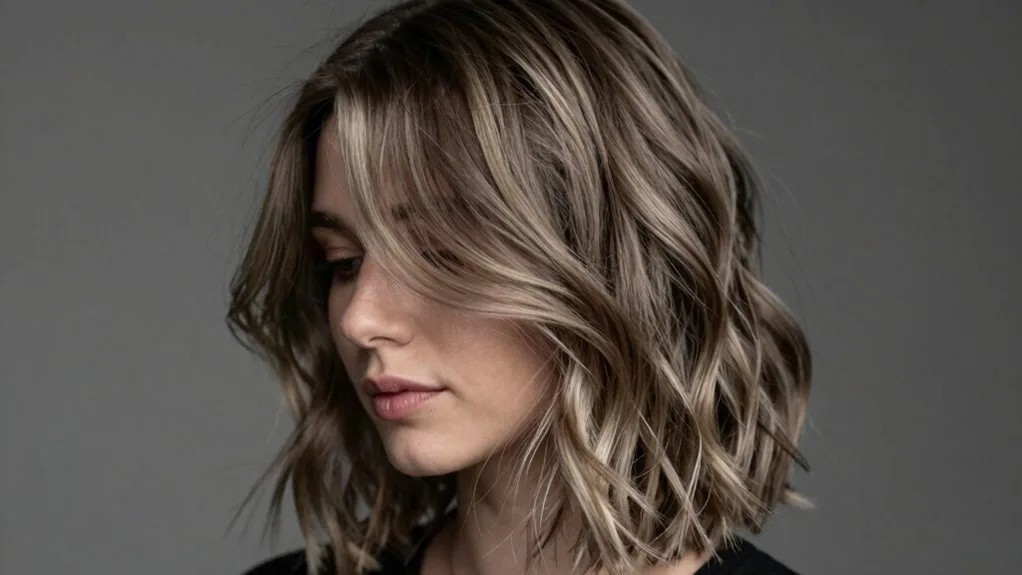
Mushroom blonde represents the sophisticated evolution of bronde for brunettes seeking cool, muted elegance without platinum’s high-maintenance demands. This shade combines warm and cool undertones, creating a naturally blended appearance that flatters deeper skin tones beautifully.
The color sits between taupe and greige, offering understated refinement. Colorists typically apply this tone to mid-lengths and ends, preserving darker roots for dimension and contrast. Babylights and balayage techniques distribute the shade seamlessly throughout the hair.
According to colorist James Chan, “Mushroom blonde works because it mimics natural sun-kissed tones while remaining sophisticated.” Low-maintenance styling is possible with quality purple-toning shampoos like Fanola No Yellow or Amika Bust Your Brass.
This shade requires touch-ups every eight to ten weeks. The result delivers effortless, lived-in texture without sacrificing polished elegance or demanding constant professional upkeep.
Dirty Blonde: Muted, Natural Feel
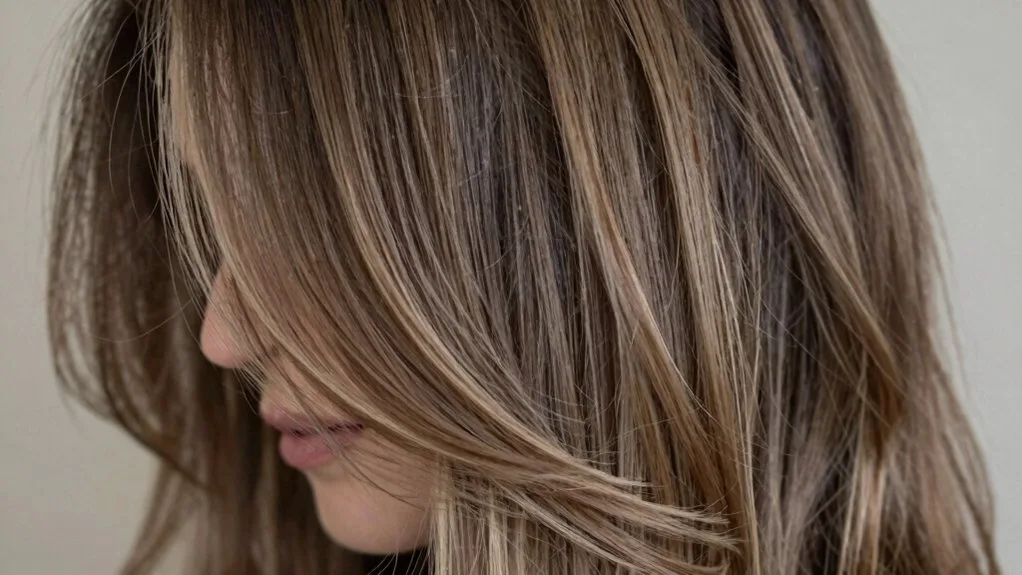
Dirty blonde bridges the gap between brunette and light blonde with muted, earthy undertones that feel naturally grown rather than artificially lightened. This shade category offers brunettes a subtle shift without dramatic commitment.
Key characteristics of dirty blonde include:
- Warm, beige-toned base with minimal shine
- Multi-dimensional depth preventing flat appearance
- Natural root shadow maintaining dimension
- Blend of caramel and ash undertones
- Low-maintenance growth pattern between appointments
The shade works exceptionally well for warm and neutral skin tones. Colorists typically use babylights or balayage techniques to achieve seamless blending. Products like Schwarzkopf Blondme or Wella T18 toner enhance the muted quality.
“Dirty blonde celebrates natural texture,” explains colorist Maria Chen. “Brunettes achieve sophistication without the platinum commitment.” The result? Understated elegance with effortless appeal.
Shadow Blonde: Contrast Without Heavy Commitment
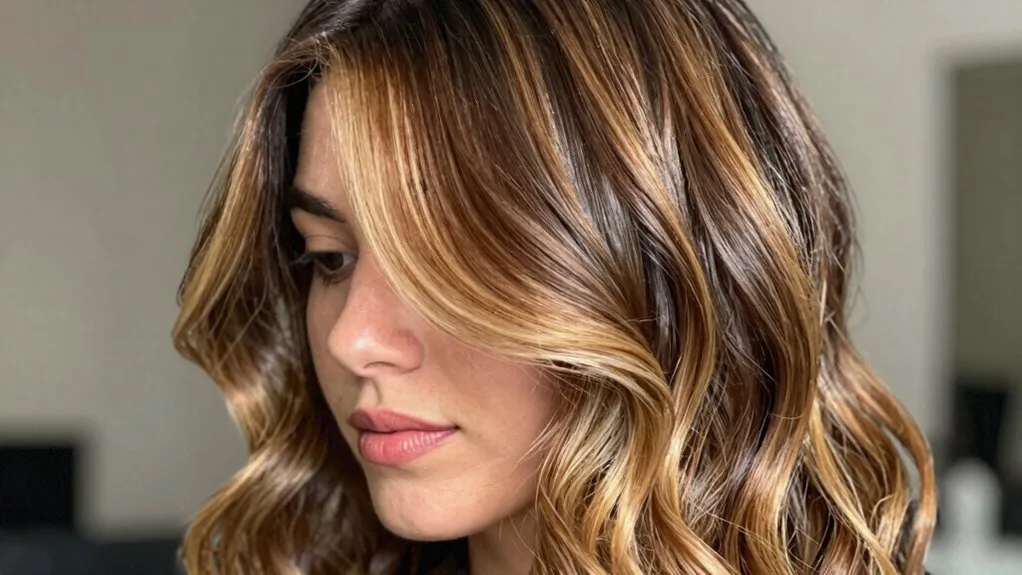
Shadow blonde offers brunettes a strategic alternative: dimensional lightening that creates contrast while keeping roots intentionally dark. This technique maintains low-maintenance appeal without full commitment.
The method involves applying blonde highlights primarily to mid-lengths and ends, leaving darker roots intact. This creates natural shadow and depth. Stylists typically use balayage or babylights application methods for seamless blending between dark and light sections.
Products like Wella T18 toner or Schwarzkopf Blondme work effectively for achieving cool, ash-toned blonde dimensions. Root touch-ups happen less frequently than traditional highlights, typically every 8-12 weeks.
Color specialist Marcus Rodriguez notes, “Shadow blonde bridges the gap between brunette and blonde, offering transformation without the maintenance demands.” The result delivers sophisticated contrast while preserving natural-looking depth and dimension that complements most skin tones effectively.
Cool-Tone Blondes: Which Suits Your Complexion
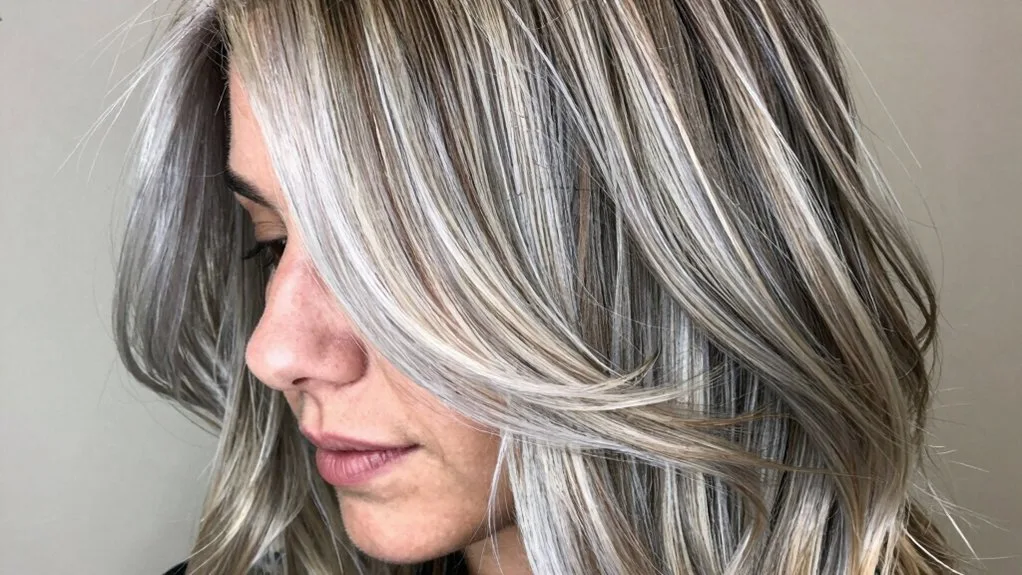
How do cool-tone blondes actually work for different complexions? Cool-toned shades range from icy platinum to soft ash blonde, creating sophisticated contrast for brunettes with specific undertones.
Consider these compatible combinations:
- Fair skin with cool undertones: Platinum and icy blonde create striking definition
- Olive complexion: Ash blonde balances greenish undertones beautifully
- Deep skin tones: Cooler blonde highlights add dimensional luminosity
- Medium brunettes: Honey-kissed ash blonde bridges warm and cool
- Warm complexions: Slightly warmer cool-tones prevent harsh appearance
A colorist should assess undertones before selection. Ash blonde requires consistent maintenance every six weeks. Cool tones demand quality purple-toning shampoo to prevent brassiness.
Balayage techniques allow dimensional cool-blonde placement. Strategic placement near the face enhances bone structure. The resulting effect appears naturally sun-kissed rather than artificially blonde.
Chunky Blonde Pieces for Bold Impact
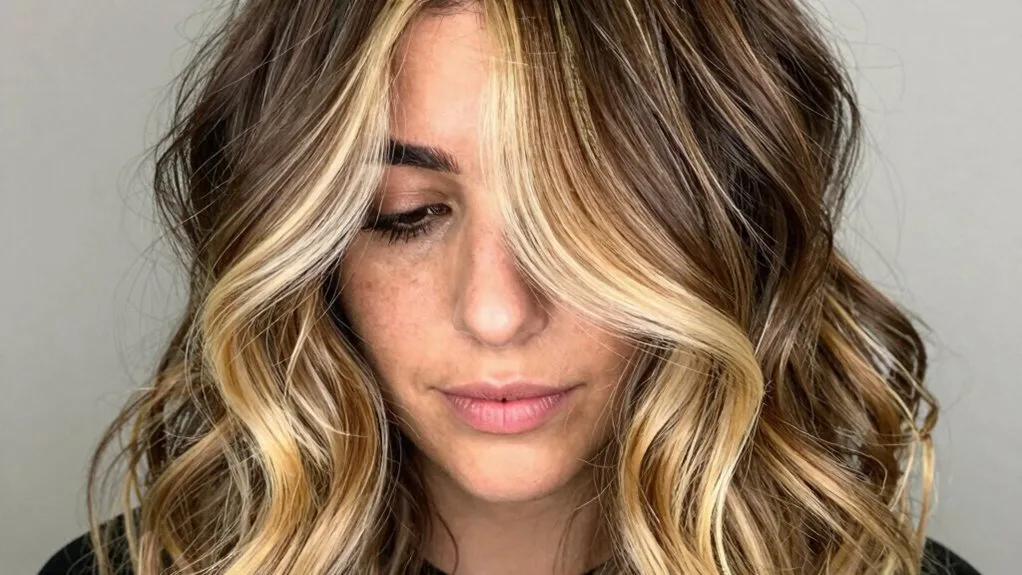
While dimensional balayage offers subtle sophistication, chunky blonde pieces deliver immediate visual impact through bold, intentional placement. This technique involves painting thick, deliberate sections of blonde throughout darker hair, creating striking contrast rather than gradual blending.
Strategic placement matters considerably. Framing pieces around the face brighten complexion instantly. Stylist James Chen notes, “Chunky highlights create dimension that catches light naturally, transforming the entire look.”
The process requires quality products. Purple-toning shampoos prevent brassiness in blonde sections. Olaplex or similar bond-building treatments protect hair during bleaching, maintaining integrity and softness.
Maintenance involves monthly touch-ups at the roots where regrowth appears most noticeably. Between appointments, deep conditioning masks keep blonde pieces luminous and healthy-looking.
This approach suits brunettes seeking dramatic transformation without full lightening commitment.
Rooted Blonde: Growing Out Your Color Gracefully
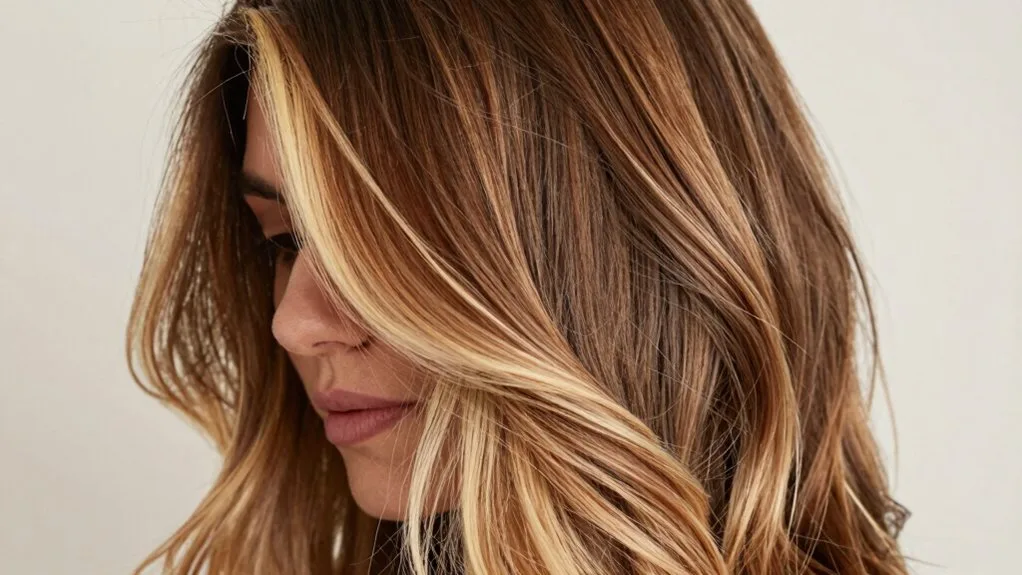
Rather than committing to frequent root touch-ups, many brunettes now embrace the rooted blonde aesthetic as an intentional style choice. This approach combines darker natural roots with lighter blonde lengths, creating dimension without constant maintenance.
The rooted blonde technique offers several advantages:
- Extends time between salon visits by three to four months
- Creates dimensional depth through contrast between root and blonde sections
- Reduces overall damage from repeated bleaching treatments
- Allows for gradual color shifts instead of dramatic changes
- Provides a low-maintenance yet sophisticated appearance
Stylists typically recommend using Olaplex or similar bond-building treatments during bleaching to preserve hair integrity. The blend zone—where roots meet blonde—requires careful balancing. Professional colorists often apply darker tones at the roots using demi-permanent formulas, then blend strategically into lighter blonde sections.
This method delivers effortless elegance while protecting hair health and minimizing salon appointments.
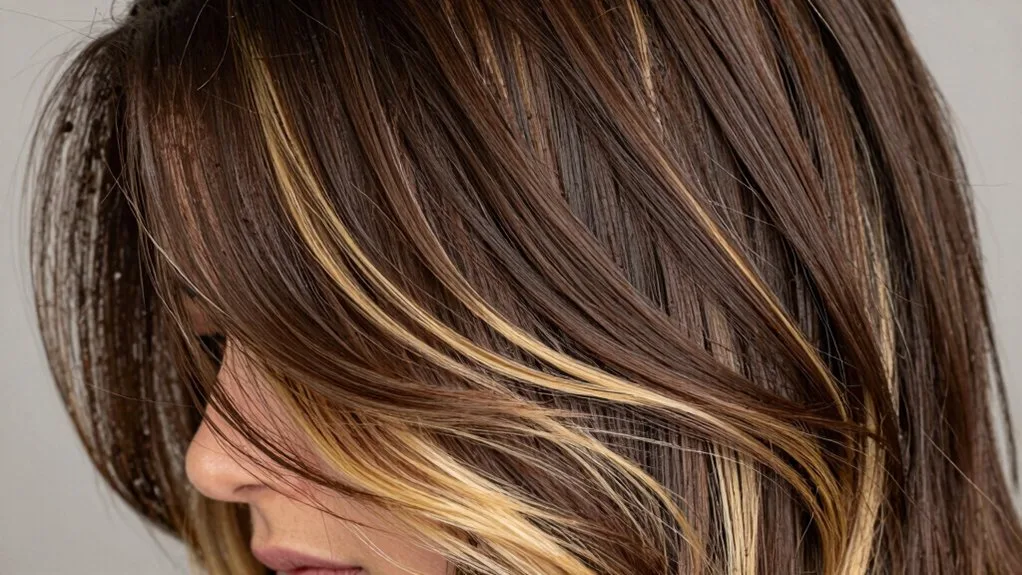
For brunettes seeking a subtler approach to blonde highlights, peekaboo streaks offer a playful alternative to visible rooted blonde. These hidden streaks live beneath the surface layers, revealing themselves only when hair moves or is styled up. The technique creates dimension without commitment. Colorists typically place blonde sections on the underside, around the nape, or along interior sections. This strategy allows brunettes to experiment with lighter tones while maintaining their natural base color. A stylist might recommend Cool Blonde or Creamy Vanilla shades for deeper brunettes seeking contrast. According to colorist Maria Chen, “Peekaboo highlights let clients express creativity during work or formal settings.” The maintenance requirement is minimal since regrowth remains hidden. Multiple sessions build the effect gradually, creating sophisticated, multidimensional results that brighten without overwhelming.
Lived-In Blonde: The Effortless, Undone Look
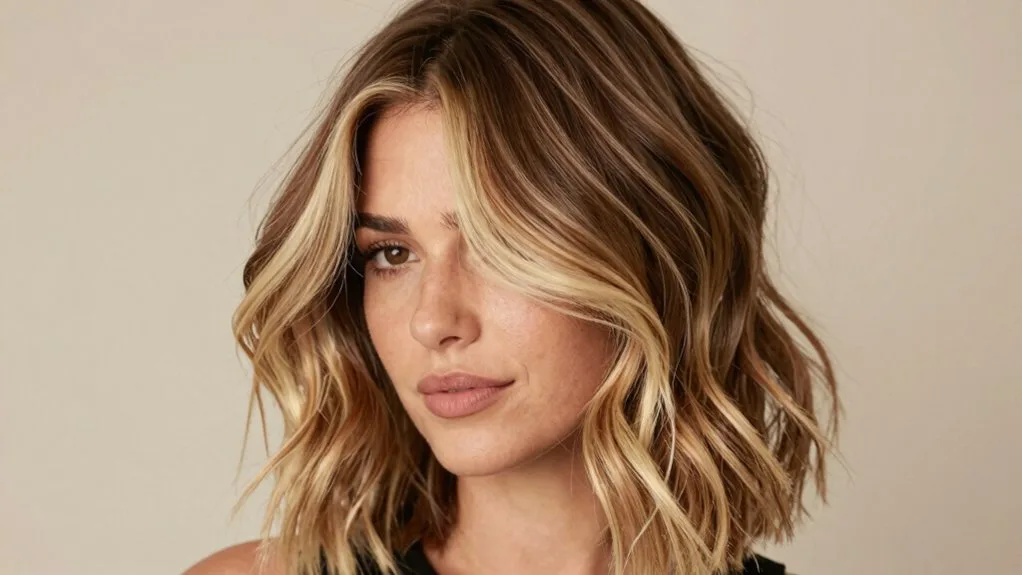
A sun-kissed, tousled aesthetic has become the gold standard for brunettes shifting to blonde. This approach embraces imperfection, celebrating the natural regrowth and dimension that occurs over time.
The lived-in blonde style prioritizes low-maintenance elegance through strategic placement:
- Babylights scattered throughout the crown for dimension without commitment
- Root shadowing that blends brunette base with blonde lengths seamlessly
- Face-framing pieces that brighten without requiring frequent touch-ups
- Balayage application creating organic, hand-painted highlights
- Bronde blending that honors natural undertones while adding lightness
Colorists often recommend brunettes start with dimensional blonde rather than full coverage. This method reduces damage and allows gradual adjustment to lighter tones. Brands like Olaplex or K18 help maintain integrity during the evolution.
The result feels effortlessly sun-bleached, avoiding the artificial appearance that concerns many brunettes considering this change.
Maintenance Tips to Keep Your Blonde Looking Fresh
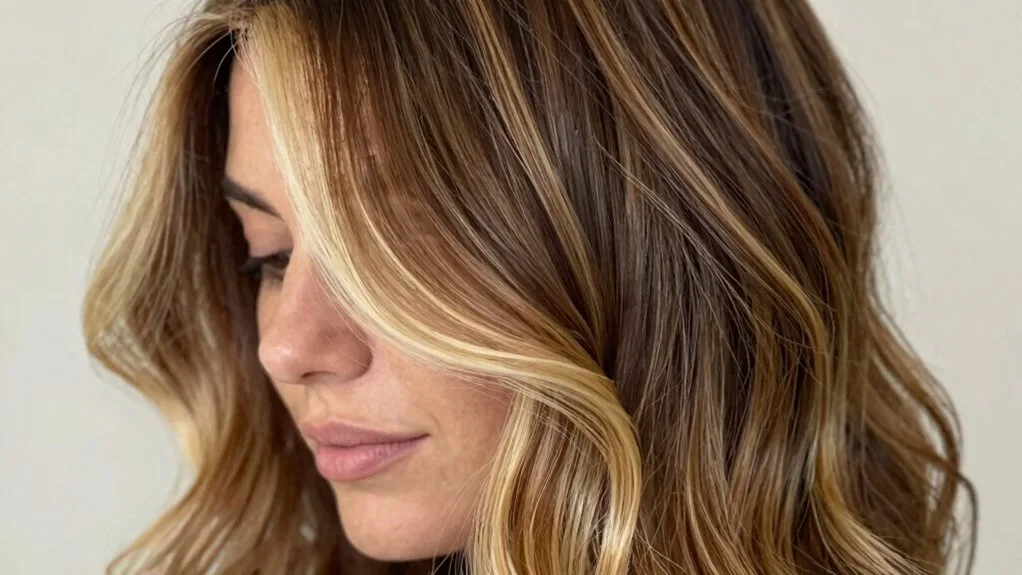
While the lived-in blonde aesthetic celebrates a relaxed appearance, maintaining that effortless look requires consistent care and intentional product choices. Purple-toning shampoos neutralize unwanted yellow or brassy undertones every other wash. Deep conditioning treatments restore moisture that bleaching depletes from hair structure.
Colorist Sarah Mitchell notes, “Bond-building products like Olaplex strengthen compromised strands during the lightening process.” Regular trims every six to eight weeks prevent split ends from traveling upward. Heat protectant sprays shield blonde from styling damage and color fading.
Weekly leave-in conditioners enhance shine and manageability without weighing down dimensional pieces. Sunscreen-infused hair products guard against UV exposure that dulls blonde brightness. Scheduling touch-ups every four to six weeks maintains dimensional depth and root coverage.
Professional glossing treatments refresh tone between full color appointments, keeping that coveted lived-in luminosity intact.
Frequently Asked Questions
How Long Does It Take to Go From Brunette to Blonde Hair?
The process of shifting from brunette to blonde typically requires four to eight weeks, depending on the starting shade’s darkness and desired lightness level. Multiple sessions with strand tests guarantee hair health and ideal results.
Will Blonde Damage My Hair, and How Can I Prevent It?
Bleaching can damage hair through protein loss and moisture depletion. One can minimize harm by using quality products, limiting processing time, deep conditioning regularly, avoiding heat styling, and consulting professional colorists for proper application techniques.
What Is the Cost of Transitioning From Brunette to Blonde?
Shifting from brunette to blonde typically costs between $200 and $800, depending on hair length, current color depth, and salon location. Professional colorists may recommend multiple sessions, increasing overall expenses for best results and hair health maintenance.
How Often Do I Need to Touch up Blonde Highlights?
One typically needs to touch up blonde highlights every 4-8 weeks, depending on hair growth rate and desired appearance. Faster-growing hair requires more frequent maintenance, while some prefer touching up every 6-12 weeks for a more relaxed aesthetic.
Can I Achieve Blonde on Dark Brunette Hair Without Bleach?
Achieving blonde on dark brunette hair without bleach is extremely difficult. Traditional bleaching is necessary to lift dark pigment sufficiently. However, semi-permanent dyes or glosses in lighter shades might provide subtle dimension, though results remain limited.
Conclusion
Transforming brunette hair to blonde requires thoughtful planning and maintenance commitment. Whether choosing subtle babylights or bold balayage, selecting the right technique depends on skin tone, lifestyle, and desired upkeep level. Professional consultation guarantees ideal shade selection and application. Investing in purple-toning shampoos and deep conditioning treatments preserves blonde vibrancy. With proper care, blonde highlights deliver dimensional beauty that complements brunette bases while creating that coveted sun-kissed radiance.